
Companion Plants
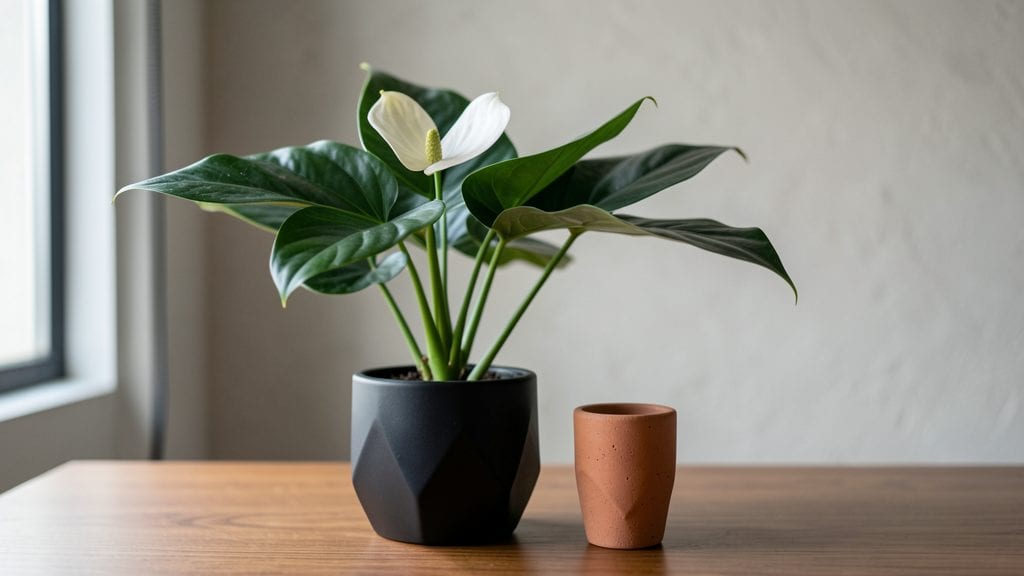
Bringing live office plants into your workspace isn’t just about aesthetics—it’s about transforming your air quality while adding life to your daily routine. ✨ I’ve turned my own office corner into a mini jungle, and the difference in focus and air freshness is undeniable.
The right plants thrive under fluorescent lights, require minimal fuss, and even filter toxins like formaldehyde right out of the air.
Start with plants that match your workspace’s light and your schedule. Snake plants and pothos survive neglect, while peace lilies and ZZ plants handle low light like pros. A simple watering routine—every 1-2 weeks, depending on the pot size—keeps them happy without the guilt of overwatering.
Humidity isn’t a big deal unless you’re in a bone-dry climate, where a quick misting or pebble tray does the trick.
By mid-spring, your plants will be lush and your coworkers will be asking for tips. The air feels cleaner, stress levels drop, and those green accents make even the most mundane reports feel a little brighter.
Plus, you’ll avoid the common pitfalls—like yellowing leaves from overwatering—that sink so many office plants.
This works for cubicles, open offices, or even home workspaces. The key is picking plants that fit your space’s quirks, not fighting against them. Let’s get your office breathing easier—and looking greener—today.
📚 In This Guide
- What you need
- Instructions
- Tips and common mistakes
- Wrapping up and next steps
What you need
- ● Live office plants: Choose low-maintenance varieties like snake plants, pothos, ZZ plants, or peace lilies (3–5 plants per room for optimal air purification).
- ● Containers: 1–2 drainage pots (slightly larger than the plant’s root ball, with drainage holes).
- ● 1 decorative cache pot (matches your office aesthetic, 1–2 inches larger than the drainage pot).
- ● High-quality potting mix: 1–2 bags of well-draining, peat-based mix (avoid garden soil—it compacts!).
- ● Watering can or spray bottle: A light spray bottle (for misting) or a small watering can with a narrow spout (for deep watering).
- ● Pruning shears: Small, sharp bypass pruners (for trimming dead leaves or leggy stems).
- ○ Plant food (optional): A balanced liquid fertilizer (diluted to half-strength, e.g., 10-10-10 or 20-20-20).
- ○ Grow lights (optional): 1–2 LED grow bulbs or a small clip-on grow light (for low-light offices).
- ● A sunny windowsill, desk lamp, or grow light (depending on your plant’s light needs—most office plants thrive in bright, indirect light).
- ● A consistent watering schedule (check soil moisture weekly; overwatering is the #1 killer!).
- ● Space! Ensure your plants have 1–2 feet of clearance for airflow (no cramped corners!).
- ● Patience—some plants (like snake plants) grow slowly but reward you with long-term air-purifying benefits! 💪
Step-by-Step guide to selecting and caring for live office plants
Here’s my go-to approach for choosing hardy, air-purifying plants that actually thrive in office spaces.
🌱 Step 1: Choose the Right Plants for Your Office Environment
Not all plants survive office conditions—low light, dry air, and inconsistent care take a toll. I always recommend starting with snake plants, ZZ plants, or pothos because they tolerate neglect and still clean the air. These varieties thrive in low to bright indirect light and need water only when the top 1-2 inches of soil feel dry. Avoid fussy plants like ferns or orchids unless you’re prepared for extra attention.
Place plants near windows for natural light, but avoid direct sun, which can scorch leaves. If your office has fluorescent lighting, supplement with a simple LED grow light for 6-8 hours a day. You’ll notice healthier growth and fewer brown tips on leaves when light levels are consistent.
🪴 Step 2: Set Up Proper Containers and Drainage
Use containers with drainage holes to prevent root rot—a common killer in offices where watering gets overlooked. I repurpose stylish pots with saucers to catch excess water, but I always check for moisture before adding more. Overwatering is the #1 mistake, so I opt for terracotta pots when possible—they wick away excess moisture through the sides.
Fill pots with well-draining potting mix (avoid garden soil—it compacts and suffocates roots). For the 4 plants we’re setting up, use 1 gallon of mix per plant to give roots room to grow without crowding. Tap the pot gently after filling to settle the soil, then water lightly to moisten it before planting.
💧 Step 3: Establish a Simple Watering Routine
Water only when the top 1-2 inches of soil are dry—this prevents soggy roots and yellowing leaves. I set a reminder every 7-10 days to check moisture levels, but adjust based on your office’s humidity. Dry air from HVAC systems speeds up evaporation, so you may need to water more frequently in winter. Stick your finger 1 inch deep into the soil—if it feels damp, wait another day.
Water deeply until it drains from the bottom, then empty saucers to prevent bacteria buildup. I avoid misting leaves unless your plants specifically need it (like a peace lily), as office air is usually dry enough. Overwatering is silent but deadly—you’ll see wilting or yellowing leaves before you notice root rot.
☀️ Step 4: Maintain Clean Leaves and Monitor Growth
Dusty leaves block light and reduce a plant’s ability to photosynthesize. Wipe leaves every 2-4 weeks with a damp microfiber cloth—this keeps them vibrant and helps the plant absorb light better. For tall plants like snake plants, I use a feather duster to reach high spots. You’ll see a noticeable difference in leaf color and growth within a few weeks.
Rotate plants quarter-turn weekly so they grow evenly toward the light source. This prevents lopsided growth and ensures all sides get exposure. Watch for pests like spider mites (tiny webs on undersides of leaves) or mealybugs (cottony white clusters). If you spot them, isolate the plant and treat with neem oil or insecticidal soap—act fast before they spread.
⏰ Step 5: Prune and Refresh as Needed
Trim yellow or brown leaves immediately to redirect the plant’s energy to new growth. Use clean, sharp scissors to cut just above a leaf node (the bump where leaves grow). For leggy plants like pothos, pinch back the tips to encourage bushier growth. You can propagate these cuttings in water to grow new plants—it’s a great way to expand your office greenery without cost.
Every 3-6 months, repot plants if roots are circling the container or growing out of the drainage holes. Choose a pot 1-2 inches larger in diameter and refresh the potting mix. This gives roots room to grow and prevents nutrient depletion. Most office plants don’t need fertilizer, but if you notice slow growth, use a balanced liquid fertilizer (half-strength) once a month in spring and summer.
Tips & tricks for perfect live office plants
Here's how to turn your office into a lush, air-purifying oasis without the stress.
The Light Factor: Those 6-8 hours of LED grow light make all the difference for plants in fluorescent-lit offices. Position your grow light about 6-12 inches above the plants and adjust the height weekly—closer for faster growth, farther for gentler light. I notice my snake plants develop deeper green leaves when they get consistent supplemental light, especially in windowless offices.
Root Room Matters: When repotting every 3-6 months, don't go too big too soon. The 1-2 inches larger pot recommendation gives roots just enough space to explore without creating excess soil that stays too wet. I've seen plants actually grow slower when given pots that are too large because the extra soil stays damp longer. Stick to that 1-gallon-per-plant guideline for your 4 plants.
Watering Wisdom: The finger test in Step 3 is your best friend—push your finger 1 inch deep into that well-draining potting mix. If it feels damp, wait another day. I've learned this the hard way after killing three office plants from overwatering. Remember, terracotta pots help by wicking away excess moisture through their sides, but they can't save you from ignoring the soil's actual moisture level.
Pest Prevention: That quarter-turn weekly rotation in Step 4 isn't just about even growth—it helps you spot early signs of pests on all sides of the leaves. I keep a small bottle of neem oil in my desk drawer specifically for this purpose. Treat any new plants immediately upon arrival, as pests often hitch a ride on new foliage. The key is catching them before they become a full-blown infestation that spreads to all your office greenery.
Pro Tips for Live Office Plants
- Here's how to turn your office into a lush, air-purifying oasis without the stress.
- The Light Factor: Those 6-8 hours of LED grow light make all the difference for plants in fluorescent-lit offices.
- Root Room Matters: When repotting every 3-6 months, don't go too big too soon.
Frequently asked questions
Got questions about keeping live office plants thriving?
Here are answers to the most common ones—so you can enjoy fresh air and lush greenery without the stress!
How often should I water my office plants?
Watering depends on the plant and your office environment. Most live office plants (like snake plants or pothos) need water every 1–2 weeks, but check soil moisture first—stick your finger in the top inch. Overwatering is worse than underwatering! Pro tip: Use a self-watering planter or pebble tray to maintain consistent moisture.
What’s the best low-light plant for an office with no windows?
If your office has minimal light, opt for hardy plants like ZZ plants, cast iron plants, or pothos. These thrive in 50–100 feet-candles of light (or even less!). Avoid fussy plants like ferns or orchids—they’ll just wilt. Bonus: Place them near fluorescent lights for extra energy!
Are live office plants safe for pets?
Some plants (like peace lilies or aloe vera) are toxic to cats and dogs, while others (like spider plants or Boston ferns) are pet-friendly. Always research before buying! Quick fix: Keep toxic plants out of reach or swap them for safe alternatives like parlor palms or Boston ferns.
How do I revive a droopy or yellowing office plant?
Yellow leaves? Overwatering or poor drainage. Brown edges? Too dry or low humidity. Try this:
- Repot if roots are soggy or cramped.
- Adjust watering—let soil dry slightly between waterings.
- Boost humidity with a pebble tray or misting.
- Trim dead leaves to encourage new growth.
What’s a budget-friendly way to start an office plant collection?
Skip pricy nurseries! Try these money-saving tips:
- Propagate from cuttings (pothos, snake plants, and spider plants grow easily in water!).
- Shop sales at big-box stores (Home Depot, Lowe’s) or online (Etsy, Amazon).
- Trade with coworkers—swap clippings or divide larger plants.
- Start small with low-cost plants like succulents or air plants.
Wrapping up and next steps
Bringing live office plants into your workspace isn’t just about aesthetics—it’s a simple, natural way to boost air quality, reduce stress, and create a more vibrant environment. 🌿 From low-maintenance succulents to air-purifying snake plants, there’s a perfect green companion for every desk.
The best part? You don’t need a green thumb—just a little care and curiosity to get started.
Ready to transform your office? Start small: pick one plant that fits your space and personality, then watch your workspace—and well-being—thrive! 🌱