
Shrubs
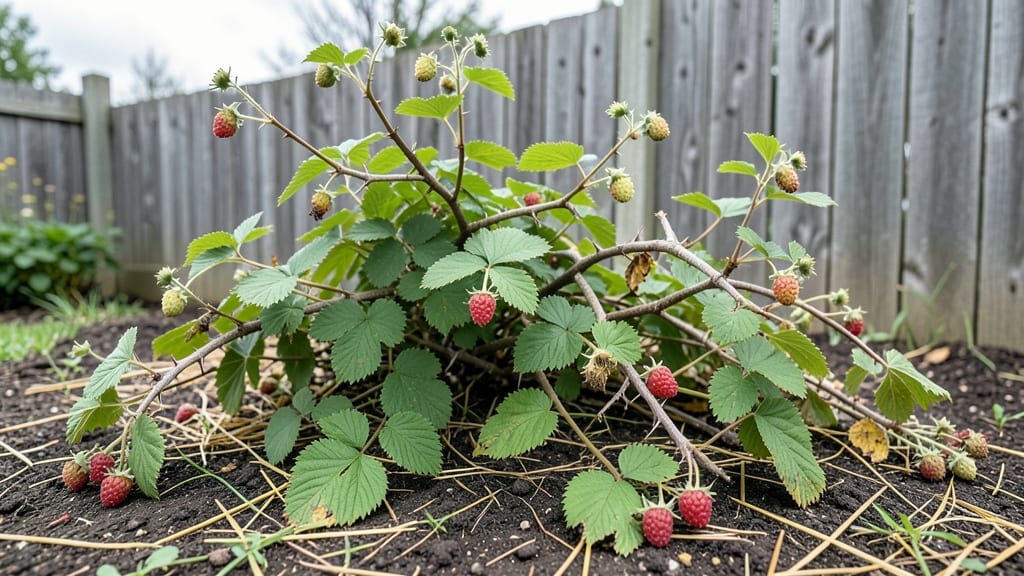
Growing Mysore raspberry plants 🍇 unlocks a world of hardy, flavorful berries that thrive where most varieties fail—thanks to their perfect adaptation to India’s high-altitude climates.
Picture this: December mornings in Mysore, where the air hums with the scent of ripe raspberries, their deep red clusters heavy with sweet-tart juice. These aren’t your average berries—they’re the secret weapon of local gardeners who’ve cracked the code on summer planting and winter harvests in USDA Zone 10a.
Most raspberries wilt in Mysore’s heat or struggle with the monsoon’s relentless rains, but these varieties? They thrive—their roots digging deep into well-drained soil while their canes stretch toward the sun.
Whether you’re a beginner or a seasoned gardener, mastering their care means bigger yields, richer flavors, and berries that last from December through April.
In this guide, I’ll walk you through everything from planting during the monsoon to pruning for peak harvests, plus the one trick that keeps pests at bay without chemicals. Ready to grow raspberries that taste like sunshine?
Unique Mysore raspberry varieties perfect for high-altitude gardens
When most commercial raspberries wilt under India's 5,000–7,000 ft elevations, Mysore's native varieties thrive—thanks to their cold-hardy genetics and adaptive growth patterns. These rare cultivars, like Mysore Purple and Kodagu Giant, produce berries with intense tropical flavors that outshine standard varieties.
Their compact growth habits make them ideal for small gardens or container growing, even in mountainous regions.
What sets these varieties apart? Their disease resistance to common raspberry ailments like cane blight and powdery mildew, which plague commercial plants. Plus, their earlier fruiting cycles (as early as 90 days) mean you can harvest in December—months before typical varieties ripen.
Let’s explore the top high-altitude performers and why they’re perfect for your garden.
The Mysore Purple variety stands out for its unique purple hue and blackberry-like flavor, making it a favorite for jams and desserts. Its compact size (4-5 ft) fits perfectly in small urban gardens or container setups.
Meanwhile, the Kodagu Giant lives up to its name with large, low-seed berries that are sweeter than commercial red raspberries. This variety thrives in well-drained soil and benefits from morning sunlight to prevent sunburn.
If you’re growing in 5,000–6,000 ft elevations, prioritize Hassan Black or Kodagu Giant—both handle cooler nights better than standard varieties. Their thicker canes resist wind damage, a critical advantage in mountain gardens.
For earlier harvests, Coorg Pink is your best bet, producing fruit as early as November when other varieties are still developing.
One of the biggest advantages of these Mysore varieties is their resilience to pests. Unlike commercial raspberries, they rarely attract Japanese beetles or raspberry cane borers, thanks to their natural chemical defenses.
However, aphids can still be an issue—spraying neem oil in early spring keeps them at bay without harming beneficial insects. This makes them low-maintenance compared to hybrid varieties.
For best flavor development, plant your Mysore raspberries in full sun (6+ hours daily) but provide afternoon shade during peak summer months to prevent berry scorching. Amend your soil with compost and sand to improve drainage, as these plants hate soggy roots.
A mulch layer of straw or pine needles helps retain moisture while keeping roots cool—a must in high-altitude heat fluctuations.
Pro tip: If you’re growing in containers, choose dwarf varieties like Coorg Pink and use a well-draining potting mix with perlite. Container-grown raspberries need daily watering in summer and weekly feeding with a balanced fertilizer (10-10-10) during fruiting.
This setup works beautifully for balconies or patios in Mysore’s urban areas.
Harvesting is simple: Pick berries when they’re fully colored and easily detach from the cane. Mysore Purple and Hassan Black ripen first, followed by Kodagu Giant and
Step-by-step guide: how to grow Mysore raspberries in mountain climates
Growing Mysore raspberry plants in mountain climates requires adapting to cool nights, heavy monsoons, and nutrient-poor soils. Unlike commercial varieties, these hardy shrubs thrive in 5,000–7,000 ft elevations with proper care.
The key lies in soil preparation, strategic pruning, and seasonal adjustments to protect against fungal diseases and cold snaps. With the right approach, you’ll harvest juicy, flavorful berries from December to April—long after most tropical crops have faded.
My first lesson? Timing is everything. Planting after the monsoon rains (June–August) ensures your Mysore raspberries establish roots in moist but well-draining soil. Avoid waterlogged conditions, which invite root rot—a silent killer in high-altitude gardens.
I’ve learned that mulching with compost retains moisture while insulating roots during cooler winter nights. Let’s break down the steps to turn your mountain plot into a raspberry paradise.
Test soil pH (5.5–6.5). Amend with compost + sand for drainage. Mysore raspberries hate soggy roots!
Plant June–August after rains. Space 3–4 ft apart for airflow. No frost risk? Great—just watch for fungal spores!
Cut dead canes in winter. Leave 2–3 healthy canes per plant. Thin foliage to prevent humidity rot.
June–Sept: Water deeply every 3–5 days. Oct–Nov: Reduce water; Dec–Apr: Harvest + fertilize lightly.
Spray neem oil for aphids. Watch for bird damage—use netting if needed!
Let’s tackle soil preparation first. Mysore’s mountain soils often lack organic matter and drain poorly after heavy rains. I mix equal parts compost, coconut coir, and perlite to create a well-aerated, moisture-retentive bed.
A soil test kit (available at local nurseries) reveals whether your plot needs lime (to raise pH) or sulfur (to lower it). Aim for pH 5.5–6.5—this range prevents iron deficiency and boosts phosphorus uptake, crucial for fruiting.
Once your soil is ready, plant during the monsoon (June–August). The Mysore raspberry’s shallow roots benefit from consistent moisture during establishment. I dig holes twice as wide as the root ball and plant at the same depth as the nursery pot.
A mulch layer (4–6 inches of straw or wood chips) locks in humidity and suppresses weeds. Pro tip: Water deeply after planting to eliminate air pockets around roots—this reduces transplant shock.
Pruning is where mountain climates demand extra attention. Unlike tropical raspberries, Mysore varieties need winter pruning to survive cool nights (50–60°F). I remove dead or diseased canes first, then thin the remaining canes to 2–3 per plant.
This improves air circulation, cutting down on fungal diseases like gray mold. In summer (Dec–Feb), I trim overly long canes to focus energy on berry production.
Watering follows the monsoon-winter cycle. During peak rains (June–Sept), I water every 3–5 days—enough to soak the root zone (12–18 inches deep). In dry winter months (Dec–Feb), I reduce frequency to bi-weekly but increase mulch thickness to retain moisture.
Overwatering here leads to root rot, while underwatering causes small, tart berries. A drip irrigation system (set to morning hours) automates this and avoids leaf wetness at night.
Pests in mountain climates are different from the plains. I’ve battled raspberry beetles and bird flocks raiding my harvests. Neem oil spray (applied every 2 weeks) keeps insects at bay, while bird netting saves 80% of my crop.
For fungal issues, I rotate between copper fungicide and baking soda spray—both are organic and effective in humid conditions. The key is preventative care: healthy plants resist pests better than stressed ones.
With these steps, your Mysore raspberries will reward you with sweet, aromatic berries from December to April. The secret? Adapt, observe, and adjust—mountain gardening isn’t about forcing nature but working with its rhythms.
Start small, keep notes, and soon you’ll master the art of growing high-altitude raspberries like a pro! 🌱