
Pests
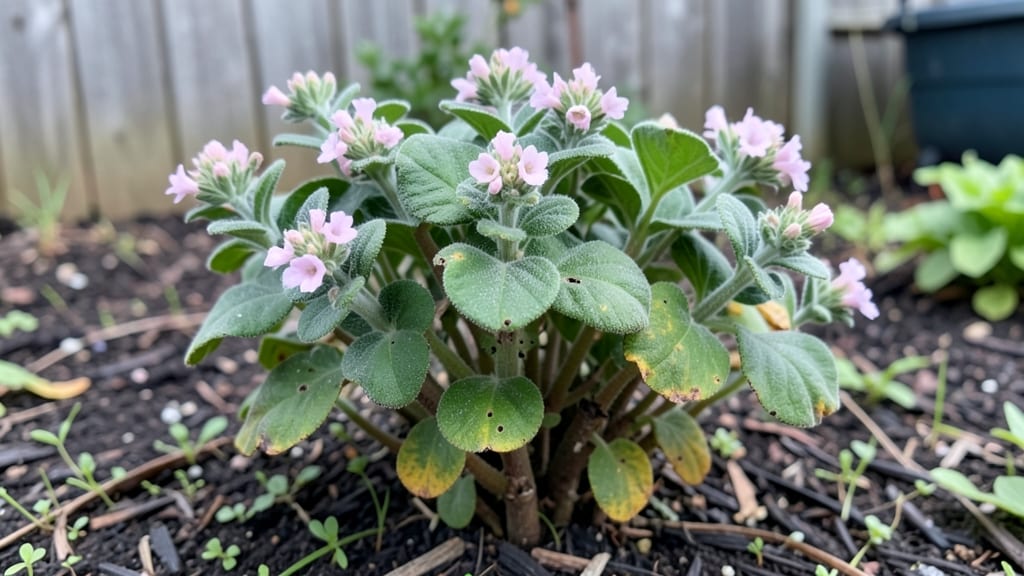
Growing mosquito plant geranium means finally having a fragrant, double-duty plant that keeps bugs at bay while adding bold color to your garden. ✨ I’ve battled mosquitoes for years, and this citrus-scented geranium—with its natural citronella—has become my secret weapon.
The first time I crushed a leaf and smelled that sharp, lemony aroma, I knew it was more than just pretty foliage.
This plant thrives in full sun to partial shade and tolerates poor soil better than most geraniums, making it perfect for containers or garden beds. Water it when the top inch of soil feels dry, but avoid soggy roots—this is one plant that hates being drowned.
The more you prune it back, the bushier and more fragrant it grows, so don’t be shy with the shears.
By midsummer, your mosquito plant will be packed with tiny white flowers and emitting that signature citronella scent—strong enough to deter mosquitoes but sweet enough to enjoy. Crush a few leaves near seating areas, or even harvest them to make your own natural repellent spray.
The best part? It’s drought-tolerant once established, so low maintenance equals high rewards.
Works equally well in pots on patios, hanging baskets, or tucked into flower beds. Once you grow one, you’ll wonder how you ever dealt with bugs without it. Let’s get yours planted!
📚 In This Guide
- What you need
- Instructions
- Tips and common mistakes
- Wrapping up and next steps
What you need
- ● Mosquito plant geranium seeds or a nursery-grown plant – 1-2 plants (or a packet of seeds, ~10-20 seeds per packet).
- ● Well-draining potting mix – 1-2 bags (10-12 quarts each). Look for a blend labeled for herbs or succulents.
- ● Containers with drainage holes – 1-2 pots (6-8 inches in diameter) for mature plants or seed-starting trays if growing from seed.
- ○ Citronella oil (optional but helpful) – 1 small bottle (for enhancing pest-repelling properties).
- ● Watering can or spray bottle – 1 (for gentle hydration).
- ○ Gloves (optional) – 1 pair (to protect hands from prickly stems).
- ● Pruning shears – 1 pair (for shaping and harvesting).
- ● Sunny outdoor space or grow lights – 6+ hours of sunlight daily (or a bright indoor window).
- ● Fertilizer (balanced, 10-10-10 or organic) – 1 small bottle (for occasional feeding).
- ○ Mulch (optional) – 1 bag (to retain moisture and suppress weeds).
Step-by-Step instructions for growing mosquito plant geranium
Here's how to cultivate this fragrant pest repellent—no fancy tools needed.
🌱 Step 1: Select the Right Location and Prepare the Soil
Mosquito plant geranium thrives in full sun to partial shade, so pick a spot with at least 4-6 hours of sunlight daily. I always test the area first by placing a plant there for a day—if it wilts by afternoon, it needs more shade. The soil should drain well but retain moisture, so amend heavy clay with 1-2 inches of compost to improve aeration.
This plant dislikes soggy roots, so avoid low-lying areas where water pools. If your garden has poor drainage, raise the bed slightly or plant in containers with drainage holes. The ideal soil pH is 6.0-7.0, which most garden soils naturally provide.
🪴 Step 2: Plant Your Mosquito Plant Geranium
Dig a hole twice as wide as the root ball but only as deep as the container it came in. Gently remove the plant from its pot and loosen any circling roots with your fingers—this encourages outward growth. Place it in the hole so the top of the root ball sits just below soil level.
Backfill with native soil mixed with 1 cup of compost, tamping lightly to remove air pockets. Water deeply right after planting until moisture reaches 6 inches down. You'll know it's settled when the soil surface looks slightly compacted but not crusty.
☀️ Step 3: Water and Fertilize for Optimal Growth
Keep the soil consistently moist but never soggy—water when the top 1-2 inches feel dry. I use a drip irrigation system for my mosquito plants because it delivers water slowly at the base, preventing fungal issues. During hot spells, you may need to water daily, but most mornings, a good soaking every 2-3 days works.
Fertilize lightly with a balanced 10-10-10 formula every 4-6 weeks during the growing season. Too much fertilizer makes the plant focus on foliage instead of its pest-repelling oils. I skip fertilizing in fall and winter—this plant enters dormancy naturally and doesn't need extra nutrients.
✂️ Step 4: Prune and Maintain for Maximum Effectiveness
Pinch back the tips of new growth when stems reach 6 inches tall to encourage bushier, more fragrant plants. This also prevents leggy growth that weakens the mosquito-repelling properties. I always use clean, sharp scissors and cut just above a leaf node—never leave stubs.
Deadhead spent flowers regularly to redirect energy into new growth and more potent citronella production. In late fall, cut back stems by half their height to prepare for winter. Mulch around the base with 2-3 inches of organic mulch to protect roots from temperature swings.
💧 Step 5: Overwinter and Propagate for Next Season
Mosquito plant geranium is hardy in USDA zones 9-11. In colder climates, dig up the plant before the first frost and pot it in 6-inch containers. Keep it indoors near a sunny window or under grow lights, watering sparingly until spring. You'll see new growth emerge in 4-6 weeks as temperatures warm.
To propagate, take 4-inch cuttings from healthy stems in early spring. Dip in rooting hormone and plant in a mix of perlite and peat moss. Keep the soil moist and place in bright, indirect light. Roots should form in 3-4 weeks, at which point you can transplant outdoors.
Tips & tricks for growing mosquito plant geranium
A few simple strategies will help you get the most out of your pest-repelling plant—without the common pitfalls.
Sunlight Secret: The 4-6 hours of sunlight mentioned in Step 1 is non-negotiable for maximum citronella production. If your location gets intense afternoon sun, consider partial shade in the hottest hours—wilting indicates stress. I've found that morning sun paired with afternoon shade works best in my zone 8 garden.
Soil Prep Game-Changer: Don't skip the 1-2 inches of compost in Step 1—this isn't just about drainage. The compost introduces beneficial microbes that help the plant's roots absorb nutrients more efficiently. For heavy clay soils, mix in perlite to improve aeration without compromising moisture retention.
Watering Wisdom: The top 1-2 inches dry test in Step 3 is your best friend. I've learned the hard way that letting it get bone dry between waterings stresses the plant. During summer, I water in the early morning to prevent fungal issues from evening moisture. A drip irrigation system makes this effortless and consistent.
Pruning Payoff: That 6-inch height for pinching in Step 4 isn't arbitrary—it's when the plant has developed enough energy stores to handle the stress. I always prune with sterilized scissors to prevent disease transmission between cuts. The bushier you keep it, the more surface area you get for that natural citronella scent.
Pro Tips for Mosquito Plant Geranium
- A few simple strategies will help you get the most out of your pest-repelling plant—without the common pitfalls.
- Sunlight Secret: The 4-6 hours of sunlight mentioned in Step 1 is non-negotiable for maximum citronella production.
- Soil Prep Game-Changer: Don't skip the 1-2 inches of compost in Step 1—this isn't just about drainage.
Frequently asked questions
Got questions about growing and using mosquito plant geranium (Pelargonium citrosum)? You’re not alone! Here are some of the most common queries—plus straightforward answers to help you make the most of this natural pest-repelling powerhouse.
How fast does mosquito plant geranium grow?
Mosquito plant geranium grows at a moderate pace, typically adding 2–4 inches per year under ideal conditions. With proper sunlight (6+ hours/day) and well-draining soil, you’ll see noticeable growth within 3–6 months. Prune regularly to encourage bushier, denser foliage—more leaves mean more citronella scent to keep pests away!
When is the best time to plant mosquito plant geranium?
Plant your geraniums in spring or early fall to avoid extreme heat or frost. If starting from seeds, sow indoors 8–10 weeks before the last frost. For transplants, wait until soil temps reach 55°F+. This timing ensures strong root establishment before summer’s peak mosquito season!
Does mosquito plant geranium really work against mosquitoes?
Yes! While it won’t eliminate all mosquitoes, its citronella oil (up to 10x stronger than commercial versions) deters them effectively in a 10–15 foot radius. For best results, plant near seating areas, windows, or patios. Combine with fans or other repellents for extra protection.
Can I grow mosquito plant geranium in containers?
Containers are ideal for geraniums—they thrive in pots 12+ inches deep with drainage holes. Use a lightweight potting mix and place them in sunny spots (balconies, decks, or porches). Just ensure they get regular watering (let soil dry slightly between waterings) to prevent root rot.
Will mosquito plant geranium harm bees or butterflies?
Nope! Unlike DEET-based repellents, geraniums are bee- and butterfly-friendly. Their flowers attract pollinators while their scent repels mosquitoes. For extra safety, avoid spraying synthetic pesticides nearby. This makes them a safe, eco-friendly choice for gardens!
How do I overwinter mosquito plant geranium?
Geraniums are tender perennials—they die back in frost but can be revived! Before the first freeze, cut back foliage and dig up pots or mound soil around in-ground plants. Move containers indoors to a cool, bright spot (50–60°F) and water sparingly. Resume outdoor planting in spring!
What if my mosquito plant geranium isn’t smelling strong?
Weak scent? Try these fixes:
- More sunlight: Place in direct sun (6+ hours/day) to boost citronella production.
- Prune regularly: Trim leggy stems to encourage dense, fragrant growth.
- Fertilize lightly: Use a balanced, low-nitrogen fertilizer in spring/summer.
- Check for pests: Spider mites or aphids can stress the plant—treat with neem oil if needed.
Wrapping up and next steps
Incorporating mosquito plant geranium into your garden or home is a natural, chemical-free way to keep pesky mosquitoes at bay while adding beauty to your space. 🌿 Its citronella-rich scent isn’t just a myth—it’s a proven deterrent that works alongside other eco-friendly pest control methods.
Ready to take action? Start by planting a few geraniums near your patio, balcony, or indoor windowsills, and watch those buzzing intruders take flight!
💡 Next step: Share your success with fellow gardeners or explore more citrus-scented plants to create a mosquito-free haven! 🌍