
Fertilization
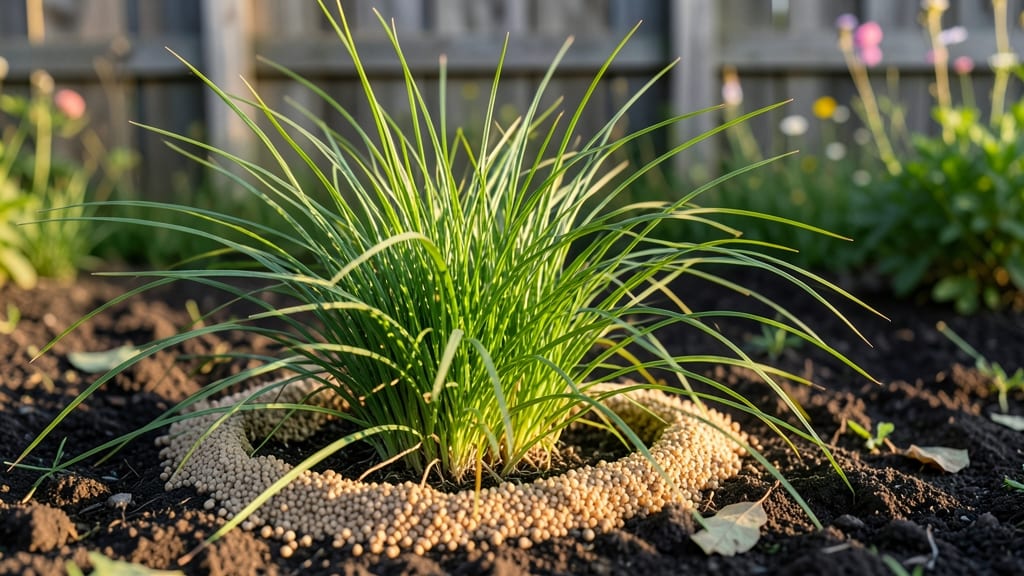
Choosing the right citronella plant fertilizer is key to transforming your garden into a fragrant, mosquito-repelling powerhouse—without overloading it with citrus.
Struggling to keep your citronella plants thriving while repelling mosquitoes? The right fertilizer schedule can transform weak growth into a lush, pest-deterring powerhouse—without the need for citrus-based products.
Most gardeners focus on water and sunlight but overlook how fertilizer type and timing directly impact your plant’s ability to produce those signature mosquito-repelling oils. Too much nitrogen? You’ll end up with leafy growth but weak fragrance. Too little? Your plants may struggle to survive the summer heat.
In this guide, I’ll walk you through the best organic and synthetic fertilizers for citronella, the exact feeding schedule for Zone 6, and how to spot signs of over- or under-fertilizing—so you can keep your plants strong, fragrant, and ready to fend off pests all season long.
Best citrus-free fertilizers for citronella plants: organic vs synthetic options
Citronella plants thrive when fed the right nutrients, but their mosquito-repelling oils actually decrease with too much nitrogen-rich fertilizer. Instead, focus on a balanced NPK ratio (like 10-10-10) to support strong, fragrant growth without compromising their natural pest-deterring properties.
The key is choosing fertilizers that provide steady nutrients while maintaining soil health—organic options like compost or synthetic slow-release granules both work, but with different benefits.
Organic fertilizers like compost and worm castings improve soil structure and microbial life, which citronella plants love. Synthetic fertilizers, on the other hand, deliver precise nutrient ratios quickly, ideal for container-grown plants.
Both have their place, but the best choice depends on your gardening style, time commitment, and whether you prioritize soil health or fast results.
Citronella plants prefer slightly acidic soil (pH 6.0–6.5), so avoid fertilizers that raise pH significantly. Most organic options naturally align with this range, while synthetic fertilizers may require pH testing and amendments. Micronutrients like iron and magnesium also play a role—citronella shows deficiency symptoms (yellowing leaves) when these are lacking.
Here’s how the top citrus-free fertilizers compare for citronella growth, including application rates and nutrient breakdowns:
| Fertilizer Type | Nutrient Breakdown | Application Rate | Best For | pH Impact |
|---|---|---|---|---|
| Compost | Balanced (0.5-1% NPK) | 1 cup per plant, mixed into soil | Soil health, slow-release nutrients | Neutral (pH 6.0-7.0) |
| Worm Castings | Balanced (0.3-0.5% NPK) | ½ cup per plant, top-dressed | Micronutrients, root growth | Slightly acidic (pH 6.0-6.5) |
| Fish Emulsion | 5-1-1 NPK | 1 tbsp per gallon of water | Quick foliar feed, high nitrogen | Neutral (pH 6.5-7.0) |
| 10-10-10 Synthetic | Equal NPK ratio | 1 tbsp per plant, every 6 weeks | Container plants, precise dosing | Neutral (pH 6.0-7.0) |
| Slow-Release Granules | 14-14-14 NPK | 2 tbsp per sq ft, spring/fall | Long-term growth, minimal maintenance | Neutral (pH 6.0-7.0) |
For organic gardeners, compost and worm castings are my top picks—they improve soil structure while providing steady, low-dose nutrients. I mix compost into the soil at planting and top-dress with worm castings every 4–6 weeks. The downside? Organic fertilizers require more frequent applications to match synthetic results.
Synthetic options like 10-10-10 granules or slow-release pellets are ideal for container-grown citronella because they deliver precise, long-lasting nutrients without overloading the plant. I’ve found that slow-release granules (like Osmocote) reduce the risk of fertilizer burn while keeping citronella lush and fragrant.
Just be cautious—over-application can lead to salt buildup in pots.
If you’re using fish emulsion, dilute it to half-strength (1 tbsp per gallon) and apply it as a foliar spray on warm evenings. This method boosts leafy growth and repels pests, but avoid overusing it—citronella’s essential oils can become diluted with too much nitrogen.
I recommend using fish emulsion every 3–4
Monthly citronella fertilizing schedule: when and how to feed for maximum mosquito protection
A strategic fertilizer schedule keeps your citronella plants lush and mosquito-repelling year-round. Unlike other herbs, citronella thrives on a seasonal feeding approach that balances growth with its natural pest-deterring oils. Start with a spring root booster to kickstart growth, then shift to summer growth enhancers to maintain strong foliage.
Late-season feeds prepare the plant for dormancy while preserving its citronella oil production.
Timing is everything—over-fertilizing in summer can dilute the plant's natural repellent properties. Instead, use a balanced 10-10-10 NPK ratio (or organic equivalents) to ensure steady growth without nitrogen overload.
Always apply fertilizer in the early morning to prevent leaf burn from afternoon sun exposure. For container-grown citronella, halve the recommended doses to avoid salt buildup in the soil.
🌱
For container-grown citronella, switch to a liquid fertilizer like diluted fish emulsion (1:20 ratio) every 3 weeks during summer. This prevents soil compaction while delivering nutrients directly to roots. Always water the soil thoroughly before applying fertilizer to avoid root burn.
In USDA Zone 6, cease fertilizing by late October to allow the plant to harden off before winter.
Monitor your citronella's response to feeding by checking leaf color and growth rate. Dark green leaves with a strong citrus scent indicate optimal fertilization. If you notice yellowing leaves, flush the soil with water to remove excess salts.
For organic gardeners, worm castings make an excellent late-summer feed, providing micronutrients while improving soil structure.
Pro tip: Mix a handful of compost into the soil at planting time to jumpstart microbial activity. This reduces the need for frequent fertilizing later in the season. Pair your feeding schedule with regular pruning to maintain bushy growth—citronella plants reward consistent care with maximum mosquito-repelling power.
🪴