Pests and Diseases
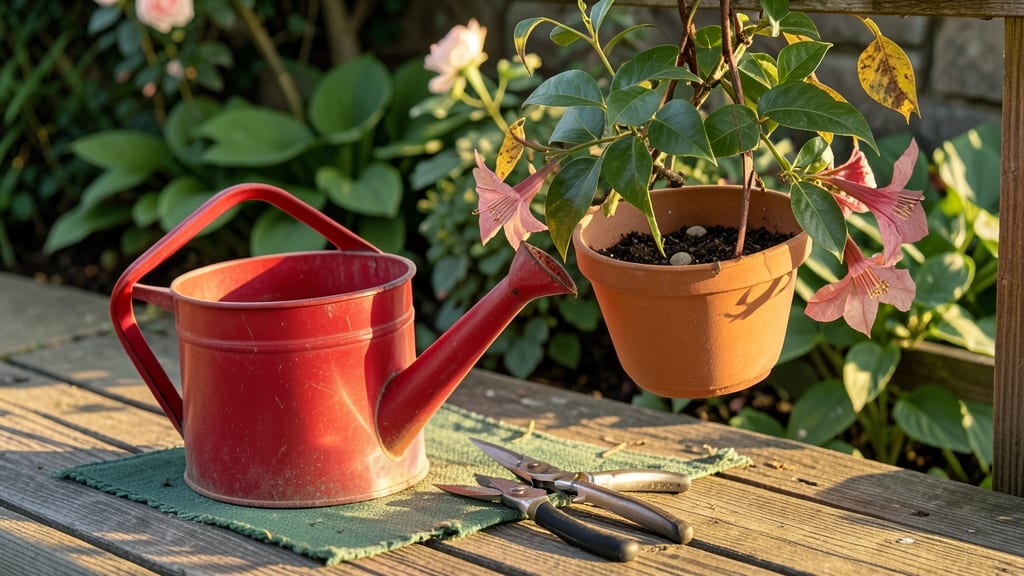
Mandevilla plant diseases can turn your vibrant tropical climber into a sad, yellowing mess if you don’t catch them early. 🌱 I’ve seen fungal blight ruin beautiful vines in just weeks—spotting the signs fast is the only way to save your plant.
The key is knowing what to look for: black spots, wilting leaves, or sticky residue that signals trouble before it spreads.
Most mandevilla diseases start with too much moisture or poor airflow. Overwatering creates the perfect damp conditions for fungi, while crowded plants trap humidity against leaves. I learned the hard way—my mandevilla nearly died from powdery mildew because I ignored the first white dusting on the leaves.
The good news? Simple fixes like spacing plants properly and watering at the base (not overhead) can prevent 90% of issues.
Once you spot a problem, act fast with organic solutions. A mix of neem oil and water (1 tablespoon per quart) sprayed on leaves stops fungal growth in its tracks.
For bacterial blight, prune infected stems immediately and disinfect your tools with rubbing alcohol. With these steps, your mandevilla can bounce back—stronger than ever—before the disease takes hold.
Prevention is the real secret weapon. I now check my plants weekly for early signs, especially after rain or humidity spikes. A little vigilance means you’ll enjoy those stunning trumpet-shaped blooms all season long without the heartbreak of sudden decline. Let’s get your mandevilla thriving again!
Root Causes of Mandevilla Struggles
Understanding why your Mandevilla succumbs to diseases—especially fungal blights—starts with peeling back the layers of its environment and care. These tropical beauties thrive in warmth and humidity, but when conditions shift, pathogens like Fusarium, Phytophthora, or powdery mildew (Erysiphe) seize the opportunity.
Let’s break down the real culprits behind their decline, so you can fortify their defenses before problems arise.
---
Mandevillas despise soggy roots. When soil stays too wet—whether from excessive watering, compacted soil, or containers without drainage holes—root rot takes hold. Here’s why:
- Fungal Feast: Pathogens like Phytophthora and Pythium thrive in waterlogged conditions. These fungi block water and nutrient uptake, causing yellowing leaves and wilting stems. - Oxygen Starvation: Roots need air to breathe.
Overwatering displaces oxygen, weakening the plant’s immune response and making it susceptible to secondary infections. - Salt Buildup: If you’re using tap water or fertilizers, excess salts accumulate in poorly drained soil, further stressing the roots and inviting fungal invaders.
Actionable Fix: Let the top 1–2 inches of soil dry out between waterings, and always use pots with drainage holes. Mix in perlite or orchid bark to improve aeration.
---
Mandevillas love humidity (60–70% is ideal), but stagnant, damp air is a breeding ground for fungal spores. Powdery mildew and leaf spot diseases (Alternaria, Colletotrichum) flourish when humidity isn’t balanced with circulation.
- Spores Spread Easily: High humidity keeps fungal spores suspended in the air, ready to land on leaves and infect the plant.
Poor airflow prevents these spores from drying out and dying. - Leaf Surface Traps Moisture: When humidity is too high, water droplets linger on leaves overnight, creating the perfect conditions for fungal germination.
Actionable Fix: Use a fan to promote airflow around your Mandevilla, especially indoors. If humidity exceeds 70%, consider a dehumidifier or open windows to reduce moisture levels.
---
While Mandevillas tolerate partial shade, prolonged low light weakens their natural defenses. Stress from insufficient sunlight makes them more vulnerable to diseases like bacterial leaf spot or sooty mold (which thrives on honeydew from sap-sucking pests).
- Weakened Cell Walls: Low light reduces chlorophyll production, making leaves thinner and more prone to punctures or tears—entry points for pathogens. - Pest Magnet: Stressed plants attract pests (like aphids or scale), which damage leaves and leave behind sticky residue that fosters sooty mold.
Actionable Fix: Provide morning sun and afternoon shade in hot climates. If growing indoors, place near a south- or west-facing window or supplement with grow lights (12–14 hours/day).
---
Fungal spores and bacteria can lurk in old soil, garden tools, or even potting mixes. If you’ve reused containers or soil without sterilizing them, you’re essentially planting a Petri dish for diseases.
- Pathogen Reservoirs: Soil from previous infected plants may harbor Fusarium or Verticillium wilt fungi, which can persist for years. - Tool Transmission: Pruners, trowels, or gloves contaminated with spores can spread diseases from one plant to another.
Actionable Fix: Sterilize tools with 70% isopropyl alcohol or a 10% bleach solution (rinse well). Repot with fresh, sterile potting mix (or bake soil at 200°F for 30 minutes to kill pathogens).
--- Mandevillas are tropical—they hate drafts, cold snaps, or sudden temperature drops. When nights dip below 50°F (10°C), their growth slows, and fungal diseases like **gray mold (Botrytis) exploit the weakened state.
- Condensation Buildup: Cold nights cause water droplets to form on leaves, creating ideal conditions for fungal spores to germinate. - Chilling Injury: Temperatures below 40°F (4°C) damage cell membranes, making the plant more susceptible to infections.
Actionable Fix: Move potted Mandevillas indoors or to a sheltered spot before frost. If growing in zones with cold winters, dig up tubers or use frost cloth for protection.
--- Both underfeeding and overfeeding throw Mandevillas off balance, making them disease-prone.
- Weakened Immunity: Lack of phosphorus (P) or potassium (K) weakens cell walls, while excess nitrogen promotes lush, soft growth that’s easier for fungi to invade. - Salt Burn**: Over-fertilizing (especially with synthetic mixes) raises soil salinity, damaging roots and inviting Fusarium wilt.
Actionable Fix: Use a balanced fertilizer (10-10-10 or 20-20-20) every 4–6 weeks during growing season. Flush soil with water monthly to prevent salt buildup.
Quick Fixes for Mandevilla Troubles
When your vibrant Mandevilla starts showing signs of distress—whether it’s yellowing leaves, black spots, or wilting vines—acting fast can save the plant. Below are practical, step-by-step solutions tailored to the most common issues, from fungal blights to pest invasions. Each fix includes prevention tips to keep your Mandevilla thriving long-term.
---
Fungal infections like black spot, powdery mildew, or root rot thrive in damp, stagnant conditions. Here’s how to treat and prevent them:
#### 🔥 Step 1: Prune the Problem Areas - Remove infected leaves (including stems) immediately—don’t leave them on the plant or in the soil. - Use sterilized pruners (wipe with rubbing alcohol between cuts) to avoid spreading spores. - Dispose of clippings in the trash (not compost) to prevent reinfection.
#### 🍳 Step 2: Apply Fungicide - Organic option: Mix 1 tsp baking soda + 1 quart water + a drop of dish soap (as a surfactant).
Spray early morning to avoid burning leaves. - Chemical option: Use a copper-based fungicide (like Bordeaux mixture) or a neem oil solution (1 tbsp neem oil + 1 quart water + 1 tsp mild soap). - Reapply every 7–10 days until new growth appears.
#### 🌡️ Step 3: Improve Airflow & Drainage - Space plants 12–18 inches apart to reduce humidity buildup. - Repot if needed into a well-draining mix (add perlite or sand to heavy soil). - Water at the base (avoid overhead watering) and empty saucers after 30 minutes.
#### 💡 Prevention Tips: ✔ Water in the morning so foliage dries quickly. ✔ Avoid overhead sprinklers—use drip irrigation instead. ✔ Mulch lightly (1–2 inches) to prevent soil splash onto leaves.
---
Chewy holes, sticky residue, or tiny webs? Aphids, spider mites, or mealybugs are likely the culprits. Here’s how to evict them for good:
#### 👨🍳 Step 1: Blast Off Pests with Water - Spray infested areas with a strong stream of water (aphids and mealybugs hate this!). - For spider mites, wipe leaves with a damp cloth to remove webs.
#### 🔪 Step 2: Use Natural or Chemical Controls - Neem oil spray (2 tbsp neem oil + 1 tsp soap + 1 quart water) – reapply every 5 days. - Insecticidal soap (store-bought or DIY: 1 tbsp Castile soap + 1 quart water). - For severe cases, use pyrethrin-based sprays (follow label instructions).
#### 🌿 Step 3: Introduce Beneficial Insects - Ladybugs or lacewings eat aphids—buy them online or attract them with dill or fennel plants. - Release them at dusk when they’re most active.
#### 🎯 Prevention Tips: ✔ Inspect new plants before bringing them home (quarantine for 2 weeks). ✔ Remove yellowing leaves (pests love weak spots). ✔ Encourage predatory insects by avoiding harsh pesticides.
---
If your Mandevilla’s leaves yellow, wilt, or drop off, root rot may be the issue—often caused by overwatering or poor drainage.
#### ⏰ Step 1: Stop Watering Immediately - Let the top 1–2 inches of soil dry out before watering again. - Check moisture by sticking your finger in the soil—if it’s damp past 1 inch, wait.
#### 🔧 Step 2: Repot in Fresh, Dry Mix - Gently remove the plant from its pot and trim mushy, black roots with sterilized scissors. - Repot in a container with drainage holes using a cactus/succulent mix (or add perlite to regular potting soil). - Water lightly only after 3–5 days to let roots recover.
#### 💡 Prevention Tips: ✔ Use pots with drainage holes (terracotta is ideal). ✔ Water only when soil is dry—Mandevillas hate soggy roots! ✔ Avoid saucers unless they’re shallow with drainage.
--- Once your Mandevilla is on the mend, feed it lightly to encourage new growth: - Balanced liquid fertilizer (10-10-10 or 20-20-20) diluted to half strength, applied every 4–6 weeks in spring/summer. - Avoid high-nitrogen fertilizers—they promote leafy growth but weaken resistance to diseases.
--- Remember: The key to a healthy Mandevilla is early action + prevention. Once you spot trouble, prune, treat, and adjust care—your plant will bounce back faster than you think! 🌿💚
Frequently asked questions
What are the most common signs of fungal infections in mandevilla plants?
Look for powdery white patches (powdery mildew), dark spots with yellow halos (leaf spot), or gray fuzzy growth (botrytis). Wilting leaves or blackened stems can also signal root rot. Early detection is key—remove infected parts immediately to stop spread.
Can I save a mandevilla with root rot?
Yes, but act fast! Stop watering, remove the plant, trim all mushy black roots with sterilized scissors, and repot in fresh, well-draining mix. Let it recover in dry conditions for 3-5 days before watering lightly. Prevention is easier: always use pots with drainage holes.
Why does my mandevilla get powdery mildew even when I water it properly?
Powdery mildew thrives on high humidity without airflow. Even proper watering can't prevent it if your plant is crowded or lacks circulation. Space plants 12-18 inches apart, use a fan indoors, and avoid overhead watering. A baking soda spray (1 tsp per quart) helps too.
Are chemical fungicides safe for mandevilla plants?
Most copper-based fungicides or neem oil solutions are safe when used correctly. Always follow label instructions and test on a small leaf first. Organic options like baking soda spray (1 tsp + dish soap) work well for mild cases. Avoid harsh chemicals that could harm the plant's delicate foliage.
How can I prevent diseases when growing mandevillas outdoors?
Choose sunny locations with good airflow, use raised beds for drainage, and water at the base in the morning. Space plants properly and avoid overhead irrigation. Sterilize tools between cuts, and remove fallen leaves regularly to reduce fungal spores. Mulch lightly to prevent soil splash.