Diseases
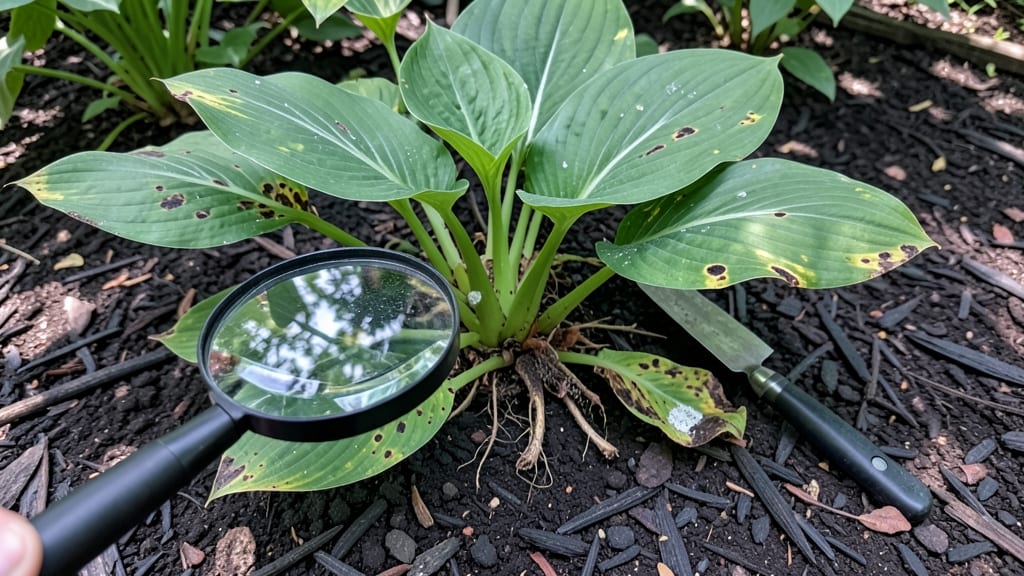
Hosta plant diseases like fungal blights can turn your shade garden from lush to limp in weeks—if you don’t catch them early. 🌿 I’ve watched my prized hostas go from velvety green to spotted messes overnight, and I’ll show you how to spot the warning signs before they spread.
The key is knowing what to look for: those dark, greasy spots on leaves or the sudden wilting that isn’t from heat.
Most hosta diseases start with moisture—too much rain, soggy soil, or crowded foliage that doesn’t dry fast enough. Fungal infections like leaf spot thrive in these conditions, while bacterial rot sneaks in through wounds.
The good news? Organic fixes like copper fungicide, neem oil sprays, and proper spacing can stop them before they ruin your plants. I’ve saved entire beds using these simple steps.
You’ll learn to recognize the early signs—yellowing edges, blackened stems, or a slimy film on leaves—and act fast with targeted treatments. With the right care, your hostas stay disease-free and keep that showstopping foliage all season. Let’s get your plants back to thriving in no time.
Works for both container hostas and in-ground plantings, no matter your climate. The tricks here cut down on fungal pressure year after year, so you can enjoy those gorgeous leaves without the worry. Ready to protect your investment?
Root Causes of Hosta Troubles
Hosta plants may seem low-maintenance, but their lush foliage can quickly become a battleground for fungal blights, bacterial infections, and environmental stressors. Understanding why these issues arise is the first step to protecting your hostas.
Below, we break down the science behind the most common culprits—so you can nip problems in the bud (literally).
Hostas thrive in moist but well-draining soil, but when their roots stay soggy for too long, fungal diseases like slime mold (Fuligo septica) and leaf spot (Alternaria spp.) take hold. Here’s why:
- Poor Drainage: Hostas planted in heavy clay or compacted soil trap excess water, creating anaerobic conditions that weaken roots and invite pathogens. Fungi like Phytophthora (a water mold) thrive in these environments.
- Frequent Overwatering: Watering hostas every day—especially in containers or shallow beds—keeps leaves damp for extended periods. This moisture film gives fungal spores the perfect breeding ground.
- Rainfall + Shade Combo: Hostas love shade, but shaded areas retain moisture longer. Without airflow, spores spread unchecked. Botrytis blight often strikes in these conditions.
💡 Pro Tip: Test your soil’s drainage by digging a hole, filling it with water, and timing how long it takes to drain. If it’s slower than 6 hours, amend with perlite or compost to improve aeration.
Fungal diseases don’t just appear—they hitchhike on wind, water, and even your gardening tools. Hostas are particularly vulnerable to airborne spores because:
- Dense Foliage Traps Spores: Hostas grow in tight clumps, creating microclimates where spores land and germinate. Powdery mildew (Erysiphe spp.) spreads via windborne spores, coating leaves in a white, powdery film.
- Spores Survive Year-Round: Many pathogens (like Rhizoctonia, which causes crown rot) overwinter in soil or plant debris. When conditions warm and moist, they reactivate.
- Contaminated Tools or Mulch: Pruners, gloves, or fresh mulch can carry spores from infected plants to healthy ones. Even compost made from diseased hostas can reintroduce pathogens.
🔥 Action Step: Sterilize tools with 70% isopropyl alcohol between uses, and avoid piling organic mulch directly against hosta crowns—leave a 2-inch gap for airflow.
Hostas prefer cool, humid conditions, but extremes in temperature or humidity throw their defenses off balance. Here’s how:
| Condition | How It Harms Hostas | Common Diseases Triggered |
|---|---|---|
| High Humidity (>80%) | Slows evaporation, keeping leaves wet and inviting bacterial leaf spot (Xanthomonas campestris) or fungal leaf blights. | Leaf spot, anthracnose |
| Sudden Temperature Swings | Stresses plants, reducing their ability to resist infections. Cold nights followed by warm days create condensation on leaves. | Powdery mildew, downy mildew |
| Poor Air Circulation | Traps moisture and spores near foliage, ideal for Botrytis (gray mold) to spread. | Botrytis blight, crown rot |
✨ Smart Fix: Space hostas 12–18 inches apart to improve airflow, and water in the early morning so leaves dry by sunset. Avoid overhead irrigation in humid climates.
Stressed hostas are like open doors for diseases. Weakness comes from:
- Nutrient Deficiencies: Yellowing leaves (chlorosis) from low magnesium or iron make plants susceptible to slime mold or rust fungi (Puccinia spp.).
- Physical Damage: Chewed leaves (from slugs or deer) create entry points for bacterial infections like Erwinia soft rot.
- Improper Planting Depth: Crowns buried too deep suffocate roots, leading to Rhizoctonia crown rot. Conversely, shallow planting exposes crowns to drying or frost damage.
🎯 Prevention Tip: Conduct a soil test to check pH (hostas prefer 6.5–7.5) and amend with compost or slow-release fertilizer. Plant crowns at soil level for optimal health.
By addressing these root causes—water management, spore control, environmental balance, and plant vigor—you’ll create an inhospitable environment for hosta diseases. The key is consistency: monitor conditions, act early, and your hostas will reward you with vibrant, disease-free foliage all season long.
Quick Fixes for Hosta Leaf Troubles
When your hostas start showing signs of disease, acting fast can save your plants—and your sanity. Below are practical, step-by-step solutions tailored to the most common fungal and bacterial issues, plus prevention tips to keep your hostas thriving. Think of this as your hosta first-aid kit!
---
Cause: Alternaria, Septoria, or Helminthosporium spores thrive in warm, wet conditions. Fix: 🍳 Remove infected leaves immediately – Snip off yellow/brown spots (and a 1-inch margin) with sterilized pruners (wipe with rubbing alcohol between cuts). Dispose of debris in the trash—not the compost! 👨🍳 Apply a fungicide – Use a copper-based fungicide (like Cupric Hydroxide) or a neem oil spray (1 tsp neem oil + 1 tsp mild soap per quart of water). Spray early morning or evening to avoid burning leaves. 🥘 Improve airflow & dryness – Space plants 12–18 inches apart and avoid overhead watering. Water at the base in the morning so foliage dries quickly. ⏰ Repeat treatments – Fungal spores are persistent! Reapply fungicide every 7–10 days until new growth appears healthy.
💡 Pro Tip: If leaf spots keep returning, your soil may be too dense. Amend with compost or perlite to improve drainage.
---
Cause: These slimy pests chew holes in hosta leaves, leaving behind silvery slime trails. Fix: 🔪 Set traps – Place beer traps (bury a shallow dish filled with beer) or diatomaceous earth (food-grade only) around plants. Slugs are drawn in and dehydrated. 🌡️ Handpick at night – Slugs are most active after dark. Shake them into a soapy water bucket (1 tbsp dish soap per gallon). 🎯 Use barriers – Create a 2-inch-wide copper tape ring around pots or plant edges (slugs hate the electric charge!). Alternatively, try crushed eggshells or gravel mulch (but avoid direct leaf contact). ✨ Encourage predators – Attract ground beetles, frogs, and birds with a diverse garden ecosystem (e.g., add a small water feature or native plants).
💡 Pro Tip: Avoid overwatering—slugs love damp soil. Water deeply once or twice a week instead of daily light sprinkles.
---
Cause: Xanthomonas or Pseudomonas bacteria cause water-soaked spots that spread rapidly. Fix: 🚨 Isolate infected plants – Move them at least 10 feet away from healthy hostas to prevent spread. 🧼 Clean tools & hands – Sterilize pruners with 70% isopropyl alcohol before and after use. Wash your hands with soapy water after handling sick plants. 💧 Adjust watering habits – Water only in the morning and avoid wetting foliage. Use a soaker hose or drip irrigation instead of overhead sprinklers. 🛡️ Apply a copper fungicide – While not a cure, copper-based sprays can slow bacterial spread. Follow label instructions for frequency. ❌ Do NOT compost infected plants – Burn or trash them to prevent reinfection.
💡 Pro Tip: If blight persists, replace the plant—bacterial diseases often mean the hosta is beyond saving.
---
Even after treating diseases, prevention is key to long-term hosta success. Follow these easy habits to keep your plants resilient:
- 🌿 Choose disease-resistant varieties – Look for hostas labeled "resistant to leaf spot" (e.g., Hosta 'Halcyon' or Hosta 'Francee'). - ☀️ Provide partial shade – Hostas thrive in 4–6 hours of morning sun but need afternoon shade in hot climates. - 🌧️ Improve soil drainage – Amend clay soil with compost or sand to prevent waterlogging. - 🍂 Mulch properly – Use 2–3 inches of organic mulch (like shredded bark) to suppress weeds and retain moisture without suffocating roots. - 🔄 Rotate crops – If you grow hostas in containers, move pots annually to prevent soil-borne diseases from building up.
--- Final Thought: Most hosta diseases are manageable with early action and good garden hygiene. Stay vigilant, and your hostas will reward you with lush, disease-free foliage for years! 🌿✨
Frequently asked questions about hosta plant diseases
What are the most common signs of fungal infections in hostas?
Look for dark, greasy spots with yellow halos on leaves—classic signs of leaf spot. Powdery mildew appears as white, dusty patches, while slime mold creates slimy, grayish crusts on soil or foliage. Check undersides of leaves first, as many fungal spores hide there until they spread.
Can I save a hosta with bacterial leaf blight?
Early-stage bacterial blight (water-soaked spots) can sometimes be contained by isolating the plant, sterilizing tools, and using copper fungicide—but often the plant won’t recover. If you see oozing lesions or rapid spread, remove the hosta completely to prevent contamination of nearby plants.
Why do my hostas get diseases even with good care?
Dense foliage traps moisture, and hostas love shade where airflow is poor—perfect conditions for spores. Even resistant varieties can succumb if stressed by poor drainage, overwatering, or nutrient deficiencies. Test soil pH (ideal: 6.5–7.5) and amend with compost to boost plant vigor.
Is neem oil safe to use on hostas?
Yes! Neem oil is organic and effective against fungal spores, but dilute it properly (1 tsp neem oil + 1 tsp mild soap per quart of water) and apply in early morning or evening to avoid leaf burn. Reapply every 7–10 days during wet seasons for best results.
How do I prevent diseases in container-grown hostas?
Use well-draining potting mix with perlite, water only at the base (never overhead), and ensure pots have drainage holes. Rotate pots annually to prevent soil-borne pathogens, and avoid overcrowding—space plants 12–18 inches apart for airflow.