
Container Gardens
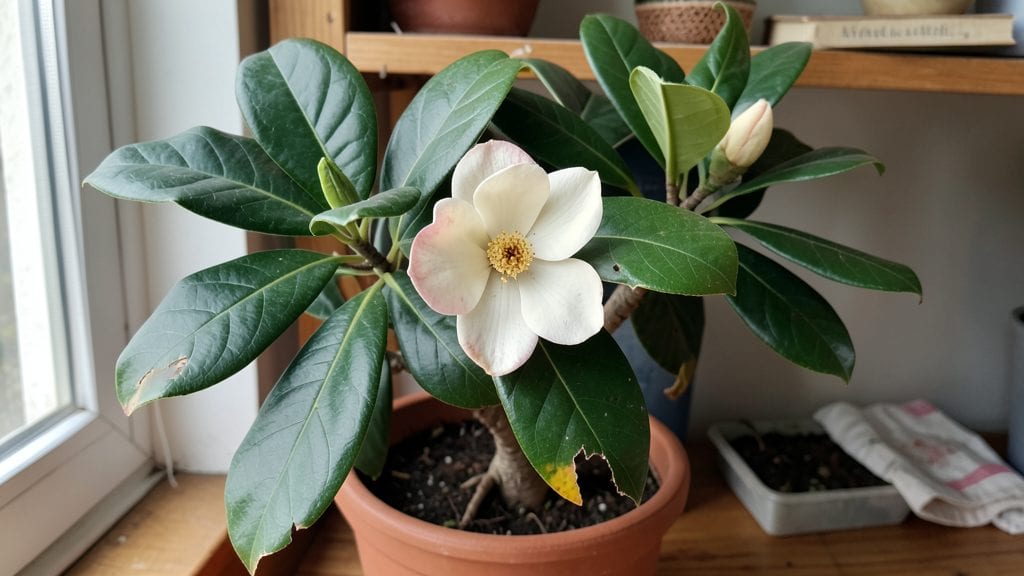
A potted magnolia plant brings old-garden charm to patios and porches with almost no fuss. 🌿 I’ve kept mine thriving for years by focusing on three simple things: the right container, a well-draining soil mix, and a spot where it won’t bake in summer or freeze in winter.
The key isn’t daily care—it’s setting it up right from the start.
Most people overthink magnolias, assuming they need constant pruning or special soil. The truth? They’re low-maintenance once established.
You’ll need a container at least 18 inches wide (bigger is better for mature plants), a mix of potting soil and perlite for drainage, and a location with morning sun and afternoon shade. Water when the top inch feels dry, and you’re done.
By next spring, you’ll have glossy leaves and those iconic blooms that smell like spring in a vase. The best part? Magnolias in pots grow slower than in-ground plants, so you won’t outgrow your container for years. Just watch for yellowing leaves—usually a sign of overwatering or poor drainage.
Works for small yards, urban balconies, or even as a statement piece on a front porch. The secret to long-term success is repotting every 2-3 years and avoiding heavy pruning. Let’s get yours growing!
📚 In This Guide
- What you need
- Instructions
- Tips and common mistakes
- Wrapping up and next steps
What you need
- ● Magnolia Potted Plant: 1 mature Magnolia grandiflora (Southern Magnolia) or Magnolia stellata (Star Magnolia) in a 15–20 gallon container (or smaller for dwarf varieties like Magnolia ‘Little Gem’).
- ○ Optional: A young magnolia (3–5 gallons) if you prefer slower growth.
- ● Container: 1 large, sturdy pot (18–24” diameter) with drainage holes (ceramic, fiberglass, or heavy plastic).
- ○ Optional: A saucer or cache pot to catch runoff (if indoors).
- ● High-Quality Potting Mix: 1 bag (2–3 cubic feet) of well-draining, acidic soil mix (pH 5.0–6.0). Look for blends labeled for acid-loving plants or camellias/rhododendrons.
- ○ Optional: Perlite or orchid bark (10–20%) to improve aeration.
- ● Fertilizer: 1 slow-release acid-loving plant fertilizer (e.g., 10-10-10 or 8-3-9 with micronutrients).
- ○ Optional: Organic options like fish emulsion or composted pine needles.
- ● Pruning Tools: 1 pair of sterilized, sharp bypass pruners (for minimal pruning).
- ● 1 small hand saw (for thicker branches, if needed).
- ● Watering Supplies: 1 watering can with a rose attachment (for gentle, deep watering).
- ○ Optional: A moisture meter to track soil dampness.
- ● Mulch: 1 bag of pine bark mulch or pine needles (2–3 inches thick).
- ● ✅ Sunlight: A spot with 6+ hours of partial sun (morning sun + afternoon shade is ideal).
- ● ✅ Climate Awareness: Magnolias thrive in USDA Zones 5–9. If you’re in a colder zone, plan for winter protection (e.g., frost cloth or moving indoors).
- ● ✅ Patience: Magnolias grow slowly—enjoy their steady, elegant progress!
- ○ Optional: A humidifier or pebble tray if keeping indoors (magnolias love humidity!).
Step-by-step instructions for cultivating a magnolia in pots
Here’s how to grow a magnolia in containers for years of fragrant blooms with minimal fuss.
🪴 Step 1: Select the Right Container and Soil Mix
Magnolias need room to grow, so choose a 5-gallon or larger container with drainage holes—18-24 inches deep and 24-36 inches wide for mature plants. I prefer terra cotta pots because they breathe and prevent root rot, though plastic works too if you monitor moisture closely.
Fill the bottom 3-4 inches with gravellike drainage material (like pumice or coarse sand) to prevent soggy roots. Then, mix equal parts high-quality potting mix and organic compost—this ensures good aeration while holding moisture without suffocating roots. Avoid garden soil; it compacts and traps too much water.
☀️ Step 2: Position for Light and Shelter
Magnolias thrive in full sun to partial shade—at least 6 hours of direct light daily. Place your pot where it gets morning sun and afternoon shade in hot climates, or full sun all day in cooler regions. If indoors, position near a south-facing window or under grow lights for 12-14 hours daily.
Protect your magnolia from strong winds and direct afternoon heat, which can scorch leaves. If you’re in a windy area, stake the pot or place it against a wall. In winter, move it to a sheltered spot or bring it indoors if temperatures drop below 20°F. You’ll know it’s happy when leaves stay glossy and blooms open fully.
💧 Step 3: Water Deeply and Maintain Moisture
Water your magnolia deeply once a week in warm weather, letting 1-2 gallons seep through the soil until it drains from the bottom. In summer, you may need to water every 4-5 days, but always check the soil—stick your finger 2 inches down; if it’s dry, water. Overwatering is the biggest killer, so avoid soggy soil at all costs.
Reduce watering in winter to every 10-14 days, as growth slows. Use room-temperature water to avoid shocking roots, and always water at the base, not over the leaves. Yellowing leaves often mean overwatering, while crispy edges signal underwatering—adjust as needed.
✂️ Step 4: Prune for Shape and Health
Prune only when necessary—magnolias bloom on old wood, so avoid heavy cuts. The best time is late winter or early spring, before new growth starts. Remove dead, diseased, or crossing branches with clean, sharp pruners, cutting just above a bud or branch collar. Never prune more than 10-15% of the plant at once.
Shape the plant by trimming just outside the bud where you want new growth. Avoid "heading back" (cutting back to a stub)—this stresses magnolias. If you see suckers at the base, remove them immediately to redirect energy to the main plant. A well-pruned magnolia will reward you with fuller blooms and stronger structure.
🌿 Step 5: Fertilize and Mulch for Long-Term Growth
Feed your magnolia once in early spring with a balanced, slow-release fertilizer (10-10-10 or similar). Mix ½ cup into the top 2 inches of soil and water deeply. Avoid fertilizing in fall or winter—it encourages tender new growth that can’t survive cold snaps. You’ll see darker green leaves and more buds as a sign it’s working.
Top-dress the soil with 2-3 inches of mulch (like pine bark or shredded leaves) to retain moisture and regulate temperature. Keep mulch 2 inches away from the trunk to prevent rot. In pots, refresh the mulch every 3-4 months, especially if it breaks down quickly. This simple step keeps roots happy and reduces watering needs.
Tips & tricks for perfect magnolia potted plant cultivation
A few key strategies will help your container-grown magnolia thrive for years with minimal fuss.
Container Size Matters: The 5-gallon minimum container size is non-negotiable for mature plants—magnolias have expansive root systems that need room to grow. I've seen potted magnolias struggle in undersized containers, so if you're planting a young tree, start with the largest pot you can handle. For smaller varieties, you can get away with 3-gallon containers, but they'll need more frequent repotting. Terra cotta pots are ideal because their porous nature helps regulate moisture, but if you choose plastic, monitor soil moisture more closely to prevent root rot.
Lighting Strategy for Indoor Growers: That 12-14 hours of daily light requirement is crucial for indoor plants. If your south-facing window doesn't provide enough light, supplement with grow lights positioned 6-12 inches above the plant. LED grow lights are energy-efficient and work well for this purpose. Rotate your plant weekly to ensure even growth—magnolias will lean toward the light source if not given consistent exposure from all directions.
Winter Protection Secrets: The 20°F threshold isn't just about survival—it's about preventing winter burn. When temperatures approach this point, move your magnolia to a sheltered location like a garage or covered patio. If you must bring it indoors, choose a spot with good humidity (like a bathroom with the shower running occasionally) to prevent leaf drop. I've found that wrapping the pot in bubble wrap before moving it outside in cold snaps creates an insulating barrier that helps maintain root temperature.
Pruning Precision: When pruning in late winter, focus on removing only what's absolutely necessary—those crossing branches and dead growth. The 10-15% pruning limit prevents stressing the plant. I always sterilize my pruners with rubbing alcohol between cuts to prevent spreading disease. For shaping, make cuts just outside the bud at a 45-degree angle to encourage proper healing and new growth in the direction you want.
Pro Tips for Magnolia Potted Plant
- A few key strategies will help your container-grown magnolia thrive for years with minimal fuss.
- Container Size Matters: The 5-gallon minimum container size is non-negotiable for mature plants—magnolias have expansive root systems that need room to grow.
- Lighting Strategy for Indoor Growers: That 12-14 hours of daily light requirement is crucial for indoor plants.
Frequently asked questions
Got questions about keeping your magnolia potted plant thriving? We’ve got answers!
Whether you’re a first-time container gardener or just curious about care tips, here’s what you need to know.
How often should I water my potted magnolia?
Water your magnolia when the top 1–2 inches of soil feel dry. In hot months, this could be every 2–3 days, while cooler seasons may only need weekly watering. Overwatering is the biggest risk—ensure the pot has drainage holes to prevent root rot.
Can magnolias survive winter in pots?
Yes, but they need protection! Move potted magnolias to a sheltered spot (like a garage or under eaves) before temperatures drop below 20°F (-7°C). Wrap the pot in bubble wrap or burlap for extra insulation. Resume outdoor placement in spring after frost danger passes.
Why isn’t my magnolia blooming?
Magnolias often need 3–5 years to bloom in pots, but poor light or nutrition can delay flowers. Place it in full sun (6+ hours/day) and fertilize in spring with a balanced, acid-loving plant formula. Prune dead blooms to encourage new growth.
How do I repot a magnolia?
Repot every 2–3 years in spring, choosing a container just 2–3 inches larger in diameter. Use well-draining soil (like a mix of peat, sand, and compost). Gently loosen roots and trim any circling growth. Water thoroughly after repotting to reduce transplant shock.
What pests should I watch for?
Magnolias are tough, but watch for scale, spider mites, or aphids. Treat infestations early with neem oil or insecticidal soap. Keep plants healthy with proper watering and airflow to deter pests.
Wrapping up and next steps
Bringing a magnolia potted plant into your space is a rewarding way to enjoy nature’s elegance with minimal fuss—its lush blooms and glossy leaves add timeless charm to any corner! 🌿 With the right care, whether it’s bright indirect light, occasional pruning, or winter protection, your magnolia will thrive for years.
Ready to elevate your container garden? Start small—choose your pot, plant, and a sunny spot, then watch your magnolia flourish effortlessly!
Now, go ahead and plant that confidence! 🌸