
Diseases
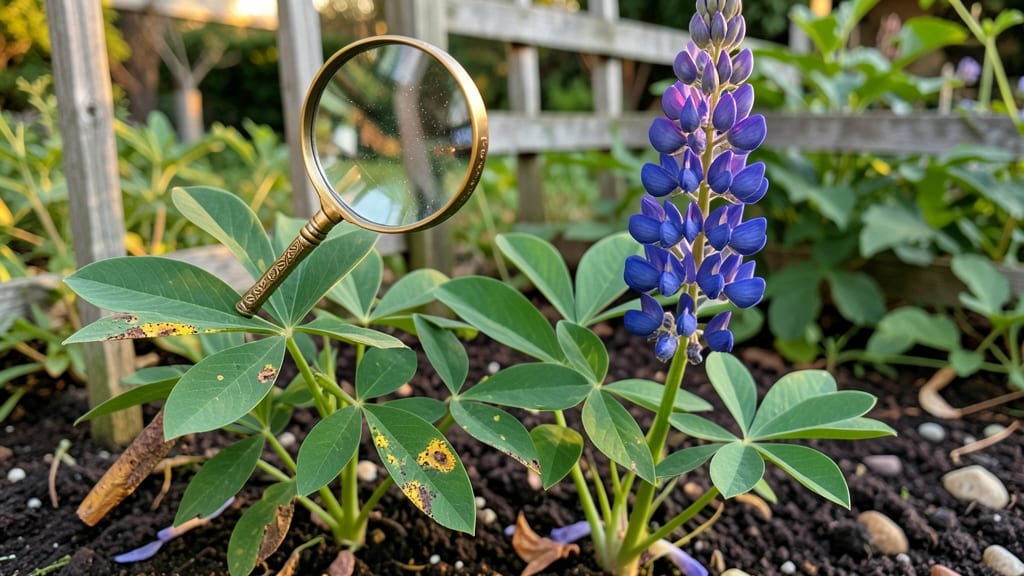
Lupine plant diseases can turn vibrant purple spikes into sad, spotted shadows if you don’t act fast. 🌿 I’ve watched anthracnose turn leaves to mush and powdery mildew blanket stems in days—both can cripple your plants if ignored.
The good news? Most issues respond to early treatment, and prevention keeps them from returning.
These problems usually start with poor airflow or wet foliage. Anthracnose thrives in damp conditions, while powdery mildew loves shady, humid spots. Root rot sneaks in when soil stays soggy for too long.
The key is catching symptoms early—yellowing leaves, dark spots, or white powder—before they spread to your whole garden.
With the right mix of pruning, fungicides, and better watering habits, you’ll save your lupines. I’ve revived plants that looked done for with just a few adjustments. By the end, you’ll spot trouble before it starts and keep your lupines thriving for years.
Works for both garden beds and containers, and the fixes apply to other perennials too. Let’s get your lupines back to their best—no more wilting or spots in sight.
Root Causes Behind Lupine Struggles
Lupines are hardy, nitrogen-fixing powerhouses—but even they’re not immune to disease. Understanding why these issues arise is the first step to prevention. Below, we break down the primary culprits behind lupine plant diseases, from environmental stress to microbial invaders.
Fungi are the most common villains in lupine gardens, thriving in damp, crowded conditions. Here’s how they exploit your plants:
- Overhead Watering & Poor Airflow 🌧️ Fungal spores (like those causing powdery mildew or root rot) splash onto leaves or linger in soggy soil.
Lupines hate "wet feet"—their roots suffocate when water pools around them. - Why it matters: Fungi spread via wind, water, or touching infected plants. A single infected leaf can become a spore factory.
- Stress from Overcrowding 🌱💥 Lupines planted too closely compete for nutrients, weakening their defenses. Fungal diseases like anthracnose or rust latch onto stressed plants first.
- Actionable fix: Space lupines 12–18 inches apart and prune regularly to improve airflow.
- Soil pH Imbalances 🧪 Lupines prefer slightly acidic to neutral soil (pH 6.0–7.0).
If soil is too alkaline (pH >7.5), fungal pathogens like verticillium wilt thrive because the plant’s natural resistance weakens. - Test it: Use a soil kit or send a sample to a local extension office.
Unlike fungi, bacteria multiply rapidly in warm, humid conditions. Bacterial leaf spot and stem cankers are classic offenders in lupines.
- Contaminated Tools or Hands 🧤⚔️ Pruners, gloves, or even your fingers can transfer bacteria (e.g., Xanthomonas or Pseudomonas) from one plant to another. A single cut can introduce infection directly into the plant’s vascular system.
- Prevent it: Sterilize tools with 70% isopropyl alcohol between plants.
- Warm, Humid Weather ☀️💦 Bacteria love temperatures above 75°F (24°C) with high humidity. Lupines grown in greenhouses or shaded areas are especially vulnerable.
- Watch for: Water-soaked lesions on leaves or oozing stems—classic bacterial red flags.
- Weakened Plants from Over-Fertilizing 🚨💩 Too much nitrogen (especially synthetic fertilizers) makes lupines grow fast but weak. This attracts soft rot bacteria, which feast on tender new growth.
- Better approach: Use compost or organic matter instead of high-nitrogen fertilizers.
Viruses don’t spread on their own—they need vectors (like aphids or beetles) to jump from plant to plant. Lupines can contract viruses such as alfalfa mosaic virus or cucumber mosaic virus.
- Aphid Infestations 🐜🛡️ These sap-sucking pests don’t just weaken plants—they transmit viruses while feeding. A single aphid can turn a healthy lupine into a virus carrier in days.
- Spot them: Check undersides of leaves for sticky residue (aphid honeydew) or curled, yellowing foliage.
- Poor Garden Hygiene 🧹🚫 Old plant debris (especially from infected lupines) can harbor viruses for years.
If you replant in the same spot without cleaning, viruses may persist. - Clean up: Remove all plant debris after the growing season and avoid planting lupines in the same location for 3+ years.
- Stress from Environmental Shocks ❄️🔥 Lupines shocked by frost, drought, or extreme heat become prime targets for viral infections. Their weakened immune systems can’t fight off invaders.
- Protect them: Use mulch to regulate soil temperature and water deeply during dry spells.
Sometimes, diseases aren’t the real problem—your growing conditions are setting your lupines up for failure.
- Poor Drainage & Waterlogged Soil 💦🚫 Lupines hate soggy roots. Compacted or clay-heavy soil traps moisture, leading to root rot (caused by Phytophthora or Pythium fungi).
- Fix it: Amend soil with sand or perlite and plant on a slight mound for better drainage.
- Nutrient Deficiencies 🍃🔴 Lack of magnesium, calcium, or micronutrients (like boron) weakens cell walls, making lupines susceptible to infections.
- Test & treat: Use a soil test to identify deficiencies and apply Epsom salt (for magnesium) or lime (for calcium) as needed.
- Sudden Temperature Shifts 🌡️💨 Lupines grown in coastal areas (with cool, damp summers) or arid climates (with hot, dry spells) struggle to adapt. These swings stress plants, opening doors for diseases.
- Acclimate them: Harden off seedlings gradually and choose native lupine varieties suited to your climate zone.
💡 Pro Tip: Rotate crops annually and interplant lupines with disease-resistant companions (like marigolds or basil) to disrupt pathogen cycles naturally. Prevention is always easier than cure!
Quick Fixes for Common Lupine Ailments
Lupines are tough plants, but even the hardiest can fall prey to fungal infections, pests, or environmental stress. The good news? Most issues have simple, effective solutions—if you catch them early.
Below, we’ve mapped the most common causes of lupine plant diseases to practical fixes, plus prevention tips to keep your plants thriving. Let’s get your lupines back to their vibrant best!
Cause: Excess moisture, poor airflow, or contaminated soil.
How to Fix It: 🔥 Remove Infected Foliage Start by snipping off any yellowed, spotted, or powdery leaves with clean pruners. Dispose of them in the trash (not compost) to prevent spores from spreading.
🍳 Apply Fungicide Use a copper-based fungicide or a neem oil solution (1 tbsp neem oil + 1 tsp mild soap per quart of water). Spray the undersides of leaves where fungi love to hide. Reapply every 7–10 days until symptoms fade.
👨🍳 Boost Air Circulation Thin out crowded plants and space them at least 12–18 inches apart. If growing in containers, ensure pots have drainage holes and avoid overwatering.
🌡️ Prevention Tips
- Water in the morning so leaves dry quickly.
- Avoid overhead watering—use drip irrigation or a watering can with a narrow spout.
- Rotate crops if growing lupines in the same spot yearly.
Cause: Weak plants, dry conditions, or nearby infested plants.
How to Fix It: 🔪 Blast Off Pests For aphids or spider mites, spray plants with a strong stream of water to knock them off. Repeat daily for 3–4 days.
🥘 Introduce Beneficial Insects Ladybugs, lacewings, and parasitic wasps love munching on lupine pests. Buy them online or attract them with dill or fennel plants nearby.
🎯 Use Organic Sprays Mix 1 tsp insecticidal soap or horticultural oil per quart of water and spray directly on pests (avoid hot sun to prevent leaf burn). For caterpillars, handpick them or use Bt (Bacillus thuringiensis), a natural bacterial treatment.
✨ Prevention Tips
- Inspect new plants before bringing them home.
- Keep lupines healthy with balanced fertilizer (low nitrogen, high phosphorus).
- Mulch around the base to deter crawling pests.
Cause: Soggy soil, compacted roots, or containers without drainage.
How to Fix It: ⏰ Stop Watering Immediately Let the soil dry out completely before watering again. Stick your finger 1–2 inches deep—if it’s damp, wait.
🔧 Repot if Needed If the plant is in a container, check for root rot (black, mushy roots). Trim healthy roots, repot in fresh, well-draining soil, and use a pot with holes.
💡 Improve Drainage Amend heavy soil with perlite or sand (1 part perlite to 3 parts soil). For in-ground plants, create a raised bed if drainage is poor.
🌡️ Prevention Tips
- Water deeply but infrequently—lupines prefer dry spells between waterings.
- Avoid soggy spots—ensure garden beds slope away from plants.
- Choose the right location—lupines hate "wet feet."
Cause: Poor soil, over-fertilizing, or extreme temperatures.
How to Fix It: 📊 Test Your Soil Use a DIY soil test kit to check pH and nutrients. Lupines prefer slightly acidic to neutral soil (pH 6.0–7.0).
💪 Feed Smart Apply a balanced, organic fertilizer (like 5-5-5) in early spring. Avoid high-nitrogen fertilizers—they promote leafy growth at the expense of flowers.
🥗 Mulch for Stability Spread 2–3 inches of organic mulch (straw or wood chips) around the base to retain moisture and regulate soil temperature.
🌡️ Prevention Tips
- Plant lupines in well-draining, slightly sandy soil.
- Avoid fertilizing in summer—it can stress plants during heatwaves.
- Protect from frost with a light frost cloth if growing in cooler climates.
If your lupine is completely wilted, covered in mold, or crawling with pests, act fast:
- Isolate the plant to prevent spread.
- Prune back dead growth aggressively.
- Apply a systemic fungicide or pesticide (like Myclobutanil for fungi or Imidacloprid for pests—use sparingly).
- Monitor daily and adjust care based on recovery.
Remember: Early action is key! Most lupine diseases are manageable with proactive care. Once your plants bounce back, they’ll reward you with vibrant blooms and lush foliage for years. 🌸
Frequently asked questions
What are the first signs my lupines have a fungal disease?
Look for white powdery coatings (powdery mildew), dark brown spots with yellow halos (anthracnose), or blackened stems at the soil line (root rot). Check leaf undersides first—fungi love hiding there. Act fast by pruning infected areas and applying copper fungicide.
Can I save my lupines if they're completely covered in powdery mildew?
Yes, but act immediately! Prune off 90% of infected growth (sterilize tools first), then spray with a neem oil solution (1 tbsp per quart of water). Improve airflow by spacing plants 12–18 inches apart and water only at the base. Repeat every 7–10 days until new growth appears.
Why do my lupines get bacterial leaf spot even when I water carefully?
Bacterial infections often spread through contaminated tools or splashing water. Always sterilize pruners with 70% isopropyl alcohol and avoid overhead watering. If spots appear, remove infected leaves immediately and apply copper fungicide—bacteria don't respond to typical fungicides.
How do I know if my lupine's wilting is from root rot or just drought?
Gently dig around the base—black, mushy roots confirm root rot (often from overwatering). For drought, roots stay firm but dry. If rot's the issue, repot in fresh, well-draining soil and stop watering until soil dries completely. Add perlite to prevent recurrence.
Are there lupine varieties more resistant to diseases?
Yes! Bluebonnet lupines (Lupinus texensis) and silver lupines (Lupinus albifrons) are notably tougher. For containers, dwarf varieties like 'Russell Hybrid' thrive with better airflow. Always choose locally adapted species—native lupines build natural resistance to regional pathogens.