
Landscaping
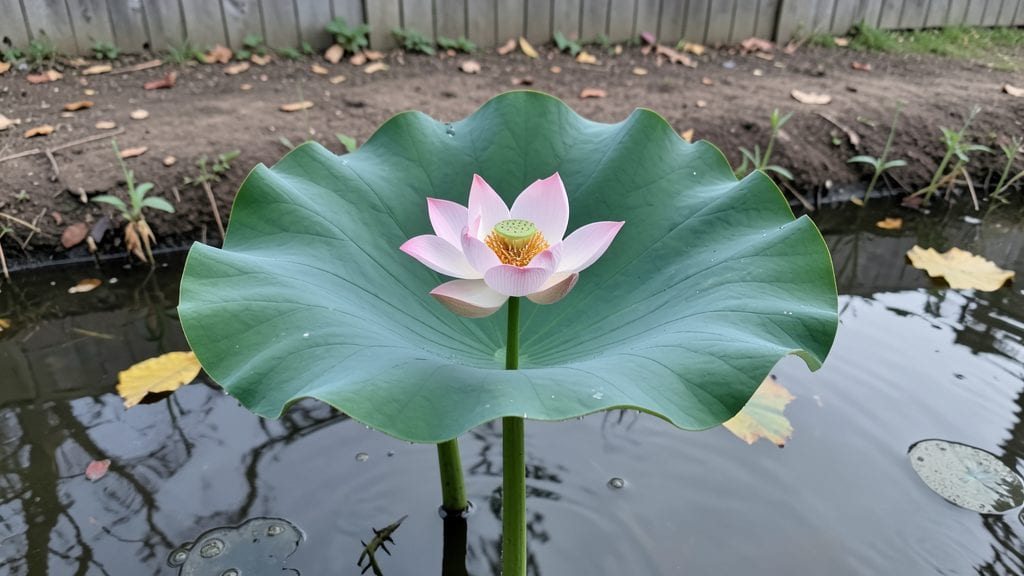
Lotus blossom plant requirements: water, sunlight, and soil essentials
Lotus plants (Nelumbo nucifera) thrive when their three core needs—water depth, sunlight exposure, and soil composition—are met with precision. Unlike most aquatic plants, they demand shallow water (just 3-6 inches deep) to support their rhizomes while allowing full sun access.
This delicate balance is what transforms murky ponds into stunning floral displays by summer.
Many gardeners mistakenly assume lotuses need deep water, but overwatering leads to root rot and stunted growth. The key is maintaining consistent moisture without submerging the plant's crown. In my own pond, I use a floating platform to keep rhizomes at the perfect depth—just below the waterline.
This simple trick saved my first lotus from drowning last season!
Here’s the golden rule: 6+ hours of direct sunlight daily is non-negotiable. Lotus plants are sun-worshippers, and even partial shade will result in pale leaves and fewer blooms.
If you’re growing them in containers, place them in the sunniest spot possible, like a south-facing patio or near a large window. Without enough light, your lotus will struggle to produce those iconic, vibrant blooms.
Now, let’s dive into the specifics with this quick-reference table to ensure you’re setting up your lotus for success:
For soil composition, lotuses prefer loamy, nutrient-rich substrates with a pH between 6.0-7.5. I’ve found that amending pond soil with compost and a handful of aquatic plant fertilizer (like 5-10-5 NPK) gives my lotuses the boost they need.
Avoid heavy clay soils, which can suffocate roots. If you’re planting in containers, use a mix of topsoil, sand, and peat moss to mimic their natural habitat.
One common mistake I see is over-fertilizing with high-nitrogen formulas, which promotes leafy growth at the expense of blooms. Instead, opt for a balanced, low-nitrogen fertilizer (like 5-10-5) applied every 4-6 weeks during the growing season.
In my experience, a little goes a long way—too much fertilizer can actually burn roots and reduce flower production.
Seasonal adjustments are critical for year-round success. During summer, when blooms are at their peak, maintain daily watering and ensure the water depth stays at 3-6 inches. In winter, however, reduce water levels slightly and let the soil dry out a bit to encourage dormancy.
I’ve learned this the hard way—keeping lotuses too wet in winter can lead to root rot and lost plants.
If you’re growing lotuses in cooler climates (USDA zones 8 and below), consider overwintering rhizomes indoors in a cool, dark place with just enough moisture to keep them from drying out. I’ve had great success with this method, and my lotuses return stronger each spring.
The key is patience—lotuses are slow to establish, but once they do, they reward you with stunning blooms for decades.
For those in container gardens, choose large pots (at least 12 inches deep) with drainage holes to prevent waterlogging. I use black plastic containers because they absorb heat and help maintain water temperature.
Place them in a location where they’ll get uninterrupted sunlight and have easy access to water for daily top-offs.
Remember, lotuses are not low-maintenance plants—they demand attention to detail. But when you get the water depth, sunlight, and soil right, the rewards are unmatched. There’s nothing quite like watching those delicate petals open each morning, a reminder of nature’s quiet magic.
Step-by-step lotus plant care guide: from seed to full bloom
Growing a lotus blossom plant from seed to full bloom is a rewarding journey that combines patience with precise care. Unlike other aquatic plants, lotuses thrive in shallow water depths and demand full sunlight exposure to produce their iconic blooms.
Whether you're starting with rhizomes or seeds, understanding each stage—from planting to overwintering—will ensure your lotus flourishes for years.
One common mistake is assuming lotuses grow like water lilies—they’re far more delicate. Yellowing leaves or failed blooms often signal issues like nutrient deficiencies, improper water levels, or insufficient sunlight. Let’s break down the essential steps to keep your lotus healthy and blooming beautifully, season after season.
Step-by-Step Lotus Plant Care
-
Step 1: Planting Rhizomes or Seeds
Plant rhizomes in 3-6 inches of water in full sun, spacing them 2-3 feet apart. For seeds, pre-soak them for 24 hours before planting in warm, shallow water. -
Step 2: Maintaining Water Depth
Keep water levels at 3-6 inches deep. Deeper water can cause rhizome rot, while shallower water may stress the plant. Use a pond liner or container with drainage holes. -
Step 3: Fertilizing for Blooms
Feed with a balanced fertilizer (5-10-5) every 4-6 weeks during spring and summer. Avoid high-nitrogen fertilizers, which promote leaves over blooms. -
Step 4: Pruning and Deadheading
Remove wilted blooms and yellowing leaves to encourage new growth. Prune overgrown foliage in early spring to maintain a tidy appearance. -
Step 5: Overwintering Care
In USDA Zones 9-11, lotuses are hardy year-round. In cooler climates, lift rhizomes and store them in slightly moist peat moss at 40-50°F until spring. -
Step 6: Troubleshooting Common Issues
Fix yellowing leaves by checking water quality and reducing fertilizer. No blooms? Ensure full sun exposure and balanced nutrients. Pests like aphids can be treated with neem oil.
If your lotus leaves turn yellow, it’s often a sign of nutrient deficiency or root rot from stagnant water. Test your water regularly and adjust the depth or add aquatic plant fertilizer to restore balance.
For failed blooms, ensure your lotus receives at least 6 hours of direct sunlight daily—this is non-negotiable for their iconic flowers.
Pruning isn’t just about aesthetics; it’s crucial for air circulation and energy redistribution. Trim back dead foliage in early spring to stimulate new growth. If your lotus is in a container, divide the rhizomes every 3-4 years to prevent overcrowding, which can lead to weaker blooms.
Overwintering is where many gardeners stumble. In cooler climates, lotuses enter dormancy. Dig up rhizomes before the first frost, trim the foliage, and store them in a cool, dark place with minimal moisture. Replant them in warm water in spring once temperatures rise above 60°F.
With these steps, your lotus blossom plant will reward you with stunning summer blooms and a serene pond centerpiece for years to come. The key is consistency—water depth, sunlight, and seasonal adjustments make all the difference. 🌸