
Diseases
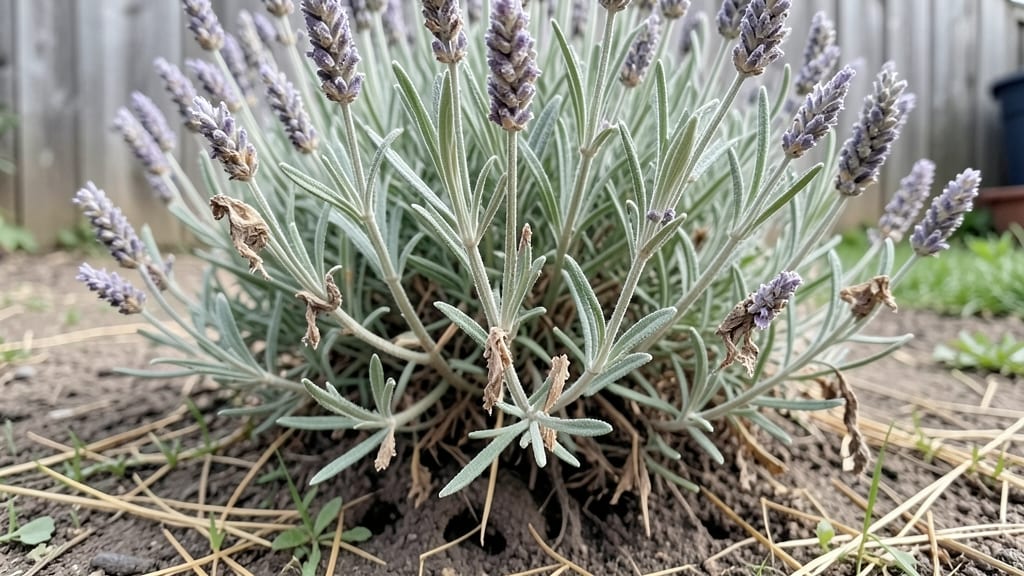
Lavender plant diseases like powdery mildew and root rot can turn your fragrant bushes into sad, wilted shadows—until you know how to spot and stop them. 🌿 I’ve seen healthy lavender turn gray and powdery overnight, or its stems rot at the base after too much rain.
The good news? Most problems vanish with the right care adjustments and a few simple treatments.
Powdery mildew loves humid summers and thrives on crowded plants, while root rot sneaks in when soil stays soggy too long. Spider mites and aphids might also crash the party, but they’re easier to handle than fungal infections.
The key is catching issues early—check leaves for white dust, stems for soft spots, and soil for that musty smell that means trouble.
With a mix of spacing, proper watering, and organic sprays like neem oil, you’ll revive even the most struggling lavender. I’ve nursed back plants that looked finished in just a few weeks by adjusting their environment and treating the root cause.
The results? Bushes that smell like Provence again, with silvery-green foliage that stays lush all season.
This works for both garden beds and container-grown lavender—just tweak the watering schedule and soil drainage. Let’s get your plants back to their best before the next heatwave hits.
Root Causes Of Lavender Ailments
Lavender plants, with their fragrant blooms and silvery foliage, are prized for their beauty and utility—but they’re not immune to trouble. When diseases strike, understanding why they happen is half the battle.
Below, we break down the science behind the most common culprits, so you can spot the warning signs before they spiral.
###
🌡️ Poor Environmental Conditions
Lavender thrives in dry, well-drained soil and full sun. When these conditions go awry, pathogens get the upper hand.
- Overwatering or soggy soil: Lavender roots rot when submerged in moisture. Fungal spores like Phytophthora and Fusarium thrive in waterlogged environments, leading to root rot and stem collapse. Why? Oxygen-starved roots can’t absorb nutrients, weakening the plant’s defenses.
- High humidity: Stagnant air (especially in containers or dense plantings) creates the perfect breeding ground for Botrytis cinerea (gray mold) and Powdery Mildew. Science note: Fungal spores germinate faster in 70–90% humidity, turning leaves into a buffet.
- Shade stress: Lavender grown in partial shade weakens, making it 3x more susceptible to diseases. Why? Reduced photosynthesis limits energy for disease resistance, while damp foliage lingers longer.
###
🦠 Pathogen Invasion & Spread
Diseases don’t just appear—they hitch a ride or lie dormant until conditions are right.
- Fungal spores in soil: Many pathogens (e.g., Verticillium wilt) survive in soil for years as microscopic spores. When lavender’s roots disturb the soil during planting or pruning, spores activate and infect wounds.
- Contaminated tools or water: Pruners, gloves, or even rainwater splashing from infected plants can transfer spores to healthy lavender. Example: Powdery Mildew spreads via windborne spores but also through physical contact.
- Insect vectors: Sap-sucking pests like aphids or whiteflies leave behind honeydew, a sticky residue that attracts sooty mold fungi. Result? Black, velvety growth smothers leaves, blocking sunlight and stunting growth.
###
🌱 Weakened Plant Immunity
Even hardy lavender can succumb if its defenses are compromised. Here’s what strips away its natural armor:
- Nutrient deficiencies: Lack of phosphorus or potassium weakens cell walls, making them easier targets. Test tip: Yellowing leaves or stunted growth? A soil test can reveal imbalances.
- Physical damage: Pruning cuts, hail, or even bird pecking create entry points for fungi. Why? Open wounds expose vascular tissues, letting pathogens like Phytophthora invade the plant’s "highways."
- Stress from transplant shock: Moving lavender disrupts its root zone, triggering secondary infections. Science fact: Stressed plants produce less salicylic acid (a natural antifungal compound), leaving them vulnerable.
Pro Tip: 🔍 Monitor lavender in spring—this is when dormant fungi wake up and new spores spread. Catching issues early (e.g., powdery mildew as white dust) means quarantining plants before the problem explodes.
How to solve it
When your lavender plants fall prey to fungal diseases, acting fast is key to saving them—and preventing future outbreaks. Below are practical, step-by-step solutions tailored to the most common fungal threats, along with proactive prevention tips to keep your lavender thriving. 🌿💪
🍄 Root Rot: Save Your Plant’s Foundation
How to Fix It:
- 🔥 Step 1: Stop Watering Immediately – Let the soil dry out completely. Overwatering is the root cause (pun intended), so resist the urge to water until the top 2–3 inches of soil are bone-dry.
- 👨🍳 Step 2: Prune Damaged Roots – Gently remove the plant from its pot or soil and trim away any black, mushy roots with sterilized pruners. Healthy roots should be firm and white.
- 🌱 Step 3: Repot in Fresh, Draining Soil – Choose a pot with drainage holes and fill it with a cactus or lavender-specific mix (avoid heavy garden soil). Add perlite or coarse sand for extra aeration.
- 💡 Pro Tip: If repotting isn’t an option, top-dress the soil with a 1-inch layer of gravel or sand to improve drainage.
⚔️ Powdery Mildew: Scrub and Shield
How to Fix It:
- 🧼 Step 1: Wipe Off the Fungus – Use a soft cloth or sponge dampened with neem oil solution (1 tbsp neem oil + 1 quart water + a drop of dish soap) to gently scrub the white powder off leaves. Avoid harsh chemicals near flowers.
- 🌡️ Step 2: Boost Airflow – Prune crowded stems to improve circulation, and space plants at least 12–18 inches apart. Avoid mulching too close to the base.
- 🎯 Step 3: Apply Fungicide – Spray with a baking soda solution (1 tsp baking soda + 1 quart water + a few drops of soap) or a store-bought fungicide like copper fungicide. Reapply every 7–10 days until symptoms fade.
- ✨ Prevention Tip: Water early in the day so foliage dries quickly, and avoid overhead watering.
🔪 Botrytis Blight: Trim and Isolate
How to Fix It:
- ⏰ Step 1: Remove Infected Parts – Snip off any brown, mushy stems or flowers with sterilized shears, extending the cut to healthy tissue. Dispose of clippings in the trash (not compost).
- 🌿 Step 2: Improve Hygiene – Clean pruners with rubbing alcohol between cuts, and sanitize pots with a 10% bleach solution (1 part bleach to 9 parts water).
- 🛡️ Step 3: Quarantine the Plant – Move the lavender to a shaded, dry area away from other plants until it recovers. Reduce humidity with a fan if needed.
- 💡 Pro Tip: After treatment, sterilize the soil by baking it at 200°F (93°C) for 30 minutes to kill lingering spores.
🌡️ Prevention: Keep Fungus at Bay
An ounce of prevention is worth a pound of cure—especially with fungal diseases. Here’s how to stop problems before they start:
- 💧 Water Wisely – Lavender hates wet feet. Water at the base (not overhead) and only when the soil is completely dry.
- ☀️ Maximize Sunlight – Plant lavender in full sun (6+ hours/day) to discourage fungal growth. Shady spots invite moisture buildup.
- 🌬️ Enhance Airflow – Space plants properly and prune to open up the canopy, reducing humidity around foliage.
- 🧴 Use Fungicidal Sprays Proactively – Apply neem oil or copper fungicide every 4–6 weeks during humid seasons.
- 🌱 Choose Resistant Varieties – Some lavender types (like Lavandula angustifolia ‘Hidcote’) are more disease-resistant. Check labels when selecting plants.
With these targeted fixes and a little vigilance, your lavender can bounce back stronger than ever. Remember: early action is your best defense against fungal foes! 🛡️🌸
Frequently asked questions
Why does my lavender suddenly develop white powdery spots?
Those white powdery spots are likely powdery mildew, a fungal disease that thrives in humid conditions. It attacks when lavender plants are crowded, shaded, or overwatered. To fix it, prune for better airflow, avoid overhead watering, and spray with a neem oil solution every 7–10 days until the spots disappear. Early action is key—this fungus spreads fast!
Can I save a lavender plant with black, mushy stems?
If your lavender has black, mushy stems, it’s probably suffering from root rot caused by soggy soil. Stop watering immediately and gently remove the plant to trim away damaged roots. Repot it in fresh, well-draining soil with perlite or sand, and let the soil dry out completely before watering again. Act fast to prevent total decline!
How do I prevent fungal diseases in my lavender?
Prevention starts with proper care: plant in full sun, water only when the soil is dry, and space plants at least 12–18 inches apart. Avoid overhead watering, and apply a fungicidal spray like neem oil every 4–6 weeks during humid months. Healthy lavender is far less likely to fall victim to fungal foes!
Are there specific lavender varieties that resist diseases?
Yes! Some lavender varieties, like Lavandula angustifolia ‘Hidcote’, are naturally more disease-resistant due to their compact growth and tougher foliage. When selecting plants, look for varieties labeled as "disease-resistant" and avoid overcrowding them in your garden. A little extra care goes a long way!