
Diseases
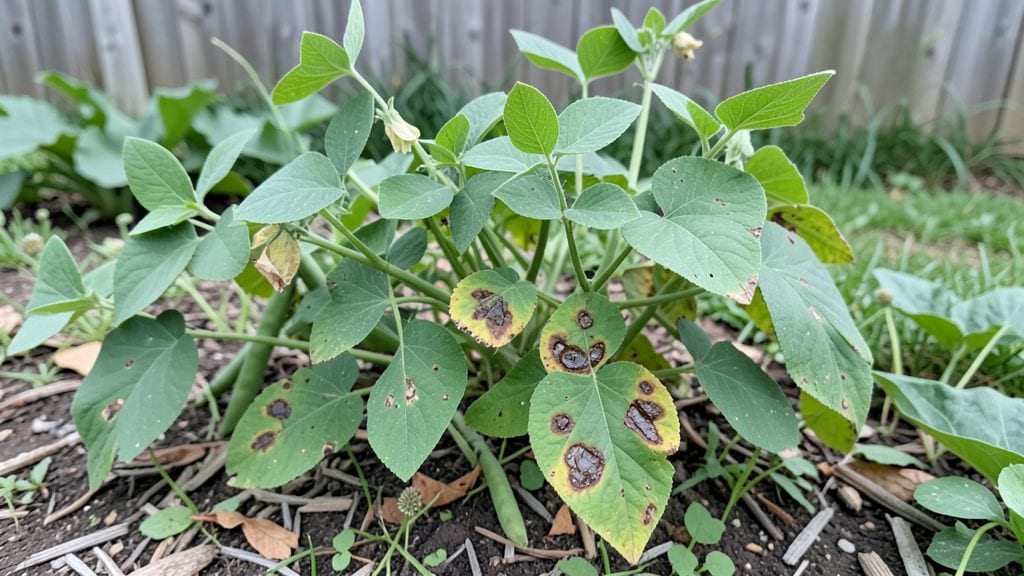
Green bean plant diseases can turn your harvest into a sad, spotted mess in just days. 🌱 I’ve watched my own plants go from lush and productive to covered in rust-colored spots—until I learned the fast fixes that actually work.
The key isn’t just spotting the problem early, but knowing which treatments stop the spread without harming your beans.
Most fungal diseases like powdery mildew or rust start with warm, humid conditions and crowded plants. My biggest mistake? Ignoring the early signs—tiny yellow dots on leaves—that turned into full-blown infections.
The good news? Organic sprays like neem oil or copper fungicide can knock out these pests in 3-5 days if you catch them soon enough.
You’ll end up with beans that stay crisp, green, and disease-free all season. The secret is a mix of quick treatments and smart prevention: proper spacing, removing infected leaves immediately, and rotating crops yearly. Trust me, your next harvest will thank you.
Works for bush and pole beans alike, whether you’re growing in rows or containers. Let’s get those plants healthy again—fast.
Root Causes Of Bean Blight
Green bean plants are resilient, but they’re not invincible—especially when it comes to diseases that thrive in the wrong conditions. Understanding why these fungal and bacterial foes attack your beans is the first step to stopping them in their tracks.
Let’s break down the science behind the chaos and uncover the real culprits behind your plants’ struggles.
Fungal diseases like anthracnose and rust love humidity and stagnant air. When green beans grow too close together, moisture lingers on leaves and stems, creating the perfect breeding ground for spores. Poor airflow also slows evaporation, keeping fungal pathogens happy and healthy.
Why it happens:
- Stunted airflow – Dense plantings trap moisture, raising humidity levels near 100%—ideal for fungal spores to germinate.
- Slow drying – Dew or irrigation water sits longer on leaves, giving pathogens more time to infect.
- Stress signals – Crowded plants compete for nutrients, weakening their natural defenses.
💡 Pro Tip: Space your green beans 4–6 inches apart in rows 18–24 inches apart to improve airflow. If growing in containers, ensure pots are large enough (at least 12 inches deep) and avoid overpacking seedlings.
Green beans need consistent moisture, but too much water—especially on leaves—turns your garden into a fungal buffet. Diseases like bacterial blight and downy mildew spread rapidly in wet conditions, while root rot thrives when soil stays soggy for days.
Why it happens:
- Foliar splashing – Overhead watering (like from sprinklers) splashes spores from soil onto leaves, infecting new plants.
- Poor drainage – Heavy clay soils or compacted garden beds trap water at the roots, suffocating plants and inviting rot.
- Late-watering timing – Watering in the evening leaves leaves damp overnight, extending the window for fungal growth.
🌡️ Fix It:
- Water at the base of plants (use drip irrigation or soaker hoses).
- Avoid watering after sunset—aim for early morning so foliage dries quickly.
- Test your soil’s drainage: Dig a hole, fill it with water, and time how long it takes to drain. If it’s slower than 4–6 hours, amend with compost or sand.
A green bean plant that’s starving or malnourished is like an open invitation for diseases. When plants lack key nutrients (especially nitrogen, phosphorus, or potassium), their cell walls weaken, making them easier targets for pathogens. Powdery mildew and alternaria leaf spot often strike plants that are already struggling.
Why it happens:
- Nitrogen deficiency – Leads to pale, yellowing leaves (chlorosis), reducing the plant’s ability to produce protective compounds.
- Potassium shortage – Weakens cell membranes, making them more susceptible to fungal invasion.
- Over-fertilizing with nitrogen – Encourages lush, soft growth that’s too vulnerable to diseases like white mold.
💡 Pro Tip: Conduct a soil test before planting to check pH and nutrient levels. For green beans, aim for:
- pH 6.0–7.0 (slightly acidic to neutral).
- A balanced fertilizer (e.g., 10-10-10) at planting, with a low-nitrogen side dressing (like 5-10-10) mid-season.
If your green beans keep getting sick year after year, your soil might be the problem.
Fungal spores and bacterial pathogens can survive in soil for years, especially if you’ve grown beans (or other legumes) in the same spot repeatedly. Verticillium wilt and fusarium are notorious for lurking in contaminated beds.
Why it happens:
- Crop rotation neglect – Planting beans in the same soil without a 3–4 year break allows pathogens to build up.
- Infected plant debris – Leaving behind diseased leaves or stems provides a food source for spores to overwinter.
- Poor soil sterilization – While not always practical, heavily infested beds may need solarization (covering soil with plastic for 4–6 weeks in summer) or composting infected material for 6+ months.
🔥 Solution:
- Rotate crops – Avoid planting beans (or other legumes) in the same spot annually. Use non-host plants like corn, brassicas, or grasses in between.
- Add organic matter – Mix in compost or well-aged manure to improve soil biology and outcompete pathogens.
- Use resistant varieties – Some green bean cultivars (like ‘Blue Lake Bush’ or ‘Kentucky Wonder’) have better disease resistance.
Pests like bean beetles, aphids, or slugs don’t just eat your plants—they create entry points for diseases. Chewed leaves, sap wounds, and slime trails from slugs break the plant’s protective barrier, allowing bacterial and fungal invaders to slip in.
Why it happens:
- Mechanical wounds – Insect feeding disrupts the cuticle (the plant’s outer skin), making it easier for pathogens to penetrate.
- Aphid honeydew – Sticky residue attracts sooty mold, which weakens leaves and blocks sunlight.
- Slug/snail trails – Their mucous contains bacteria that can trigger rot or blight.
🛡️ Prevention:
- Use row covers early in the season to block pests.
- Apply neem oil or kaolin clay as a natural repellent.
- Hand-pick beetles or set up beer traps for slugs.
Quick Fixes for Sick Green Beans
When your green bean plants start showing signs of stress—whether it’s yellowing leaves, strange spots, or wilting vines—acting fast can mean the difference between saving your harvest and losing it.
Below are practical, step-by-step solutions tailored to the most common diseases, plus prevention tips to keep your plants thriving. No fancy tools or chemicals required—just smart, garden-friendly fixes.
H3: 🔥 Step 1: Prune and Remove Infected Parts Fungal spores spread like wildfire, so the first rule is containment. Snip off any leaves, stems, or pods with:
- Brown or black sunken spots (Anthracnose)
- Orange-red pustules (Rust)
- White powdery patches (Powdery Mildew)
Use sterilized pruners (wipe with rubbing alcohol between cuts) and dispose of debris in the trash—not the compost! Fungal spores can survive in compost and reinfect your plants.
H3: 🍳 Step 2: Apply a Fungicide Spray (Natural or Store-Bought) Your go-to weapons:
- Baking soda spray (1 tsp baking soda + 1 quart water + a drop of dish soap). Spray early morning or evening to avoid burning leaves.
- Neem oil (1 tbsp neem oil + 1 tsp mild soap + 1 quart water). Shake well and spray every 7–10 days for prevention.
- Copper fungicide (follow label instructions) for severe cases like Anthracnose.
H3: 🌡️ Step 3: Adjust Growing Conditions Fungi love humidity and poor airflow. Fix this by:
- Spacing plants at least 4–6 inches apart (or use trellises to elevate vines).
- Watering at the base (not overhead) to keep foliage dry.
- Improving drainage—if soil stays soggy, amend with compost or sand.
💡 Pro Tip: If powdery mildew strikes, reflect sunlight with a white sheet or board on the opposite side of the plants to reduce stress.
H3: 🔪 Step 1: Sterilize Everything Bacteria spread through water, tools, and even your hands. Before touching plants:
- Wash hands with soapy water.
- Sterilize pruners and gloves with bleach water (1 part bleach to 10 parts water).
- Avoid working in the garden when plants are wet (bacteria hitchhike on droplets).
H3: 🚫 Step 2: Remove and Destroy Infected Plants Unlike fungi, bacterial diseases often have no cure. If you spot:
- Water-soaked spots with yellow halos (Halo Blight)
- Small, greasy-looking spots (Bacterial Leaf Spot)
Pull the entire plant (roots and all) and bag it for trash pickup. Do not compost.
H3: ⏰ Step 3: Rotate Crops and Sanitize Soil Plant non-bean crops (like tomatoes or brassicas) in the same spot next year. To kill bacteria in soil:
- Solarize the bed: Cover with clear plastic for 4–6 weeks in hot sun.
- Add composted manure or aged compost to boost beneficial microbes.
🎯 Prevention Tip: Use resistant varieties like ‘Blue Lake Bush’ or ‘Contender’ if bacterial blight is common in your area.
H3: 🚨 Step 1: Quarantine Immediately Viruses cannot be cured—once a plant is infected, it’s a lost cause. Isolate the plant in a sealed bag and remove it from the garden ASAP. Viruses spread via:
- Aphids (tiny green bugs)
- Contaminated tools or hands
- Seed-borne transmission
H3: 🍃 Step 2: Control Pests to Prevent Spread
- Spray aphids with soapy water (1 tsp mild soap + 1 quart water) or neem oil.
- Introduce predator insects like ladybugs or lacewings.
- Remove weeds (they harbor pests).
H3: 🌱 Step 3: Start Fresh Next Season
- Dispose of infected plants (do not compost).
- Solarize soil or plant a non-host crop (like corn or wheat) in the same bed for a year.
- Buy certified disease-free seeds from reputable suppliers.
✨ Prevention Tip: Yellow sticky traps near plants can catch aphids before they spread viruses.
Even after treating an issue, prevention is your best defense. Follow these low-effort habits to keep your green beans healthy:
| Problem | Prevention Fix | When to Do It |
|---|---|---|
| Poor airflow | Space plants, use trellises | At planting + as vines grow |
| Overwatering | Water deeply but only 1–2x/week | Early morning or late evening |
| Weeds | Mulch with straw or grass clippings | After planting, refresh as needed |
| Contaminated tools | Sterilize pruners with rubbing alcohol | Before/after each use |
| Stressed plants | Fertilize with balanced organic fertilizer (10-10-10) | Every 4–6 weeks |
💡 Bonus Tip: Interplant with herbs like basil or marigolds—they repel pests and improve air circulation!
Remember: The key to happy green beans is early action + smart prevention. Once you spot trouble, act fast, but also adjust your habits to stop future outbreaks. Your future harvests will thank you! 🌱🍃
Frequently asked questions
What are the most common green bean plant diseases I should watch for?
Look for powdery mildew (white powdery spots), rust (orange-brown pustules), anthracnose (sunken brown lesions), and bacterial blight (water-soaked spots with yellow halos). These four appear most often in warm, humid conditions.
Can I use household items like baking soda to treat fungal diseases?
A simple baking soda spray (1 tsp baking soda + 1 quart water + a drop of dish soap) works well for powdery mildew and rust. Spray early morning or evening to avoid leaf burn, and reapply every 7-10 days during humid weather.
How do I know if my green beans have a bacterial or fungal infection?
Fungal diseases (like powdery mildew or rust) appear as surface growths or discoloration on leaves. Bacterial infections (like blight) show as water-soaked spots with yellow borders that ooze when touched. Fungi spread slower; bacteria move fast and often require plant removal.
Will my green beans recover if I treat the disease early?
Yes! Catching fungal diseases like powdery mildew or rust early gives you a 70-90% chance of recovery with proper pruning, fungicide sprays, and improved airflow. Bacterial diseases are trickier—once visible, infected plants usually can't be saved and must be removed immediately.
How can I prevent diseases in my green bean plants next season?
Start with crop rotation (avoid planting beans in the same spot for 3+ years), use disease-resistant varieties like 'Blue Lake Bush', and improve airflow by spacing plants 4-6 inches apart. Water at the base in the morning and sterilize tools between uses.