
Plants
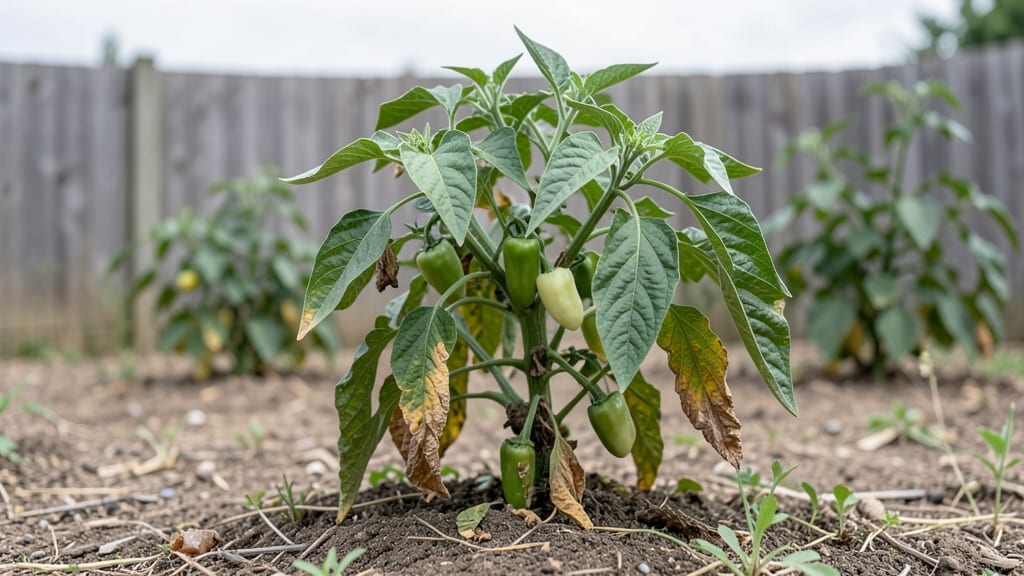
Your jalapeño plant wilting doesn’t mean it’s a lost cause—it’s usually a fixable sign your pepper is calling for help. 🌱 I’ve nursed back more drooping jalapeños than I can count, and the key is understanding what’s stressing them out first.
Overwatering, pests, or even a sudden temperature swing can leave them looking sad, but most cases turn around fast with the right tweaks.
The most common culprits are overwatering (soggy soil chokes roots) and underwatering (wilting leaves that don’t bounce back when pinched). Pests like aphids or spider mites also suck the life out of plants, leaving them limp and weak.
Start by checking the soil—it should feel like a damp sponge, not a swamp or a rock. If pests are the issue, you’ll spot tiny webs or sticky residue on leaves.
Here’s the good news: 90% of wilting jalapeños recover with the right care. Adjust your watering, trim damaged leaves, and move the plant to a spot with morning sun and afternoon shade if it’s been scorched.
Within a few days, you’ll see those leaves perk up again—and before you know it, you’ll be harvesting spicy peppers instead of mourning a sad plant.
This works for container-grown jalapeños, in-ground plants, and even those in greenhouses. The secret? Pay attention to what your plant is telling you. Let’s get that jalapeño back to its feisty self—no fancy tools or guesswork needed.
Root Causes Of Drooping Jalapeños
Understanding why your jalapeño plant is wilting starts with identifying the root causes—literally and figuratively. Wilting isn’t just a random act of nature; it’s your plant’s way of signaling distress.
Below, we break down the most common triggers, complete with scientific explanations and actionable insights to help you diagnose the issue accurately.
Jalapeños thrive in well-drained soil, and when they’re overwatered, their roots suffocate. Here’s why it happens: - Root Rot: Excess moisture cuts off oxygen to the roots, leading to fungal or bacterial infections.
Symptoms include yellowing leaves, mushy stems, and a foul smell from the soil. - Waterlogged Soil: Compacted or heavy clay soil holds too much water, preventing roots from accessing oxygen.
This weakens the plant’s ability to absorb nutrients, causing wilting. - Overzealous Watering: Even if your soil drains well, watering on a rigid schedule (e.g., daily) can drown the roots, especially in cooler weather when evaporation slows.
Actionable Fix:
- Test the Soil: Stick your finger 1–2 inches into the soil. If it’s damp, wait before watering. If it’s soggy, your plant is drowning.
- Upgrade Drainage: Amend heavy soil with perlite, sand, or compost to improve aeration. Ensure pots have drainage holes.
- Water Wisely: Water deeply but infrequently—only when the top 1–2 inches of soil are dry. Morning watering reduces evening moisture buildup.
While overwatering is a common culprit, underwatering can also trigger wilting.
Jalapeños are drought-tolerant but still need consistent moisture, especially during fruiting. - Moisture Deficit: Roots struggle to pull water from dry soil, causing leaves to droop as a survival mechanism to reduce water loss. - Transpiration Stress: Hot, dry conditions increase water evaporation through leaves faster than roots can replenish it, leading to wilting. - Shallow Root Systems: Young jalapeño plants have limited root depth, making them vulnerable to quick soil drying.
Actionable Fix:
- Monitor Soil Moisture: Use a moisture meter or the finger test (as above) to avoid guesswork.
- Mulch Matters: Apply a 2–3 inch layer of organic mulch (straw, wood chips) to retain soil moisture and regulate temperature.
- Group Plants: Cluster jalapeños together to create a microclimate with higher humidity, reducing water loss.
Wilting can also stem from a lack of essential nutrients, particularly nitrogen, potassium, or magnesium. Here’s how deficiencies manifest: - Nitrogen (N) Deficiency: Leads to pale, yellowing leaves (chlorosis) and stunted growth.
Roots weaken, making water uptake inefficient. - Potassium (K) Deficiency: Causes brown leaf edges and weak stems, impairing the plant’s ability to regulate water and nutrients. - Magnesium (Mg) Deficiency: Results in interveinal yellowing (between leaf veins) and poor root health, reducing water absorption.
Actionable Fix:
- Soil Test First: Use a home test kit or send a sample to a local extension service to identify deficiencies.
- Fertilize Strategically:
- Nitrogen: Use a balanced fertilizer (e.g., 10-10-10) or compost tea early in the season.
- Potassium: Switch to a potassium-rich fertilizer (e.g., 5-10-10) during flowering and fruiting.
- Magnesium: Apply Epsom salt (1 tbsp per gallon of water) every 2–4 weeks as a foliar spray or soil drench.
- Organic Boost: Mix in worm castings or banana peels (for potassium) into the soil for a slow-release nutrient fix.
Extreme temperatures, humidity swings, or harsh winds can push jalapeños past their comfort zone, leading to wilting. - Heat Stress: Temperatures above 90°F (32°C) cause leaves to wilt as the plant conserves water. High heat also disrupts nutrient uptake. - Cold Shock: Jalapeños prefer warmth (60–85°F / 15–29°C).
Sudden cold snaps or nighttime temps below 50°F (10°C) can stunt growth and cause wilting. - Windburn: Strong winds dry out leaves faster than roots can compensate, leading to dehydration and wilting. - Humidity Fluctuations: Low humidity increases transpiration (water loss), while high humidity can promote fungal diseases, both of which stress the plant.
Actionable Fix:
- Shade Cloth: Use 30–50% shade cloth during peak summer heat to protect plants without stunting growth.
- Windbreaks: Plant tall crops (like corn) or use burlap screens to shield jalapeños from harsh winds.
- Consistent Humidity: Group plants together or use a misting system in dry climates. Avoid over-misting, which can encourage fungal growth.
- Seasonal Adjustments: Move potted jalapeños to sheltered spots during temperature extremes or use row covers for overnight protection.
Hidden threats like pests or pathogens can gnaw away at your jalapeño’s roots, disrupting water and nutrient flow. - Root-Knot Nematodes: Microscopic worms that burrow into roots, creating galls that block water absorption.
Infested roots appear swollen and stunted. - Fungal Infections (e.g., Pythium, Phytophthora): Thrive in waterlogged soil, causing root rot and wilting.
Look for dark, mushy roots and a foul odor. - Aphids or Spider Mites: While these pests primarily target leaves, severe infestations weaken the plant, reducing its ability to transport water efficiently.
Actionable Fix:
- Inspect Roots: Gently dig around the base to check for galls, discoloration, or mushy tissue. Rinse roots in water to spot pests.
- Fungal Treatment: Apply copper fungicide or hydrogen peroxide (1 tbsp per quart of water) to soil if root rot is suspected.
- Nematode Control: Solarize soil (cover with clear plastic for 4–6 weeks in hot weather) or use neem oil as a preventive spray.
- Pest Management: Blast off aphids/spider mites with water, then treat with insecticidal soap or neem oil. Introduce beneficial insects like ladybugs for long-term control.
Pro Tip 💡: When in doubt, isolate the plant! Wilting can spread if caused by contagious diseases like fungal root rot. Quarantine affected jalapeños until you’ve identified and treated the issue.
Revive Your Jalapeño Plant Now
A wilting jalapeño plant can feel like a crisis, but don’t panic—most issues are fixable with the right care. Below, we’ve mapped out practical solutions tailored to the most common causes of wilting, from overwatering to pests.
Each fix is simple, actionable, and backed by gardening best practices. Plus, we’ll share prevention tips to keep your peppers thriving long-term.
Signs: Yellowing leaves, mushy stems, waterlogged soil, or a foul smell at the roots.
How to Fix It:
- Stop Watering Immediately 🚰
- Let the soil dry out completely before watering again. Stick your finger 1–2 inches into the soil—if it’s damp, wait.
- Improve Drainage 🏗️
- If your pot lacks drainage holes, repot your jalapeño into a container with holes or add a layer of gravel or perlite at the bottom.
- For garden beds, amend the soil with compost or sand to loosen it up.
- Trim Damaged Roots (If Needed) ✂️
- Gently remove the plant from its pot and inspect the roots. Snip off any black, mushy roots with sterilized scissors.
- Replant in fresh, well-draining soil and water lightly.
Prevention Tips: ✅ Water only when the top 1–2 inches of soil are dry (usually 1–2 times per week, depending on heat). ✅ Use a pot with drainage holes—never skip this! ✅ Avoid soggy soil—jalapeños hate "wet feet."
Signs: Crispy, brown leaf edges, wilting in the afternoon, or leaves curling upward.
How to Fix It:
- Move to Partial Shade 🌳
- Jalapeños love 6–8 hours of sun, but extreme heat (above 90°F/32°C) can scorch them. Relocate to a spot with morning sun + afternoon shade (like under a sheer curtain or near a fence).
- Mulch the Soil 🌿
- Spread 2–3 inches of mulch (straw, grass clippings, or wood chips) around the base to retain moisture and cool the roots.
- Water Deeply in the Morning 💦
- Give the plant 1–2 inches of water at the base before 10 AM to prevent evaporation.
Prevention Tips: 💡 Use shade cloth (30–50% coverage) if your area gets brutal afternoon sun. 🔥 Avoid planting in full sun during peak summer months in hot climates.
Signs: Holes in leaves, sticky residue, wilting despite proper watering, or white/cottony growth.
How to Fix It:
- Identify the Culprit 🔍
- Aphids/Spider Mites? Wipe leaves with soapy water (1 tsp mild soap per quart of water).
- Fungal Issues (e.g., powdery mildew)? Spray with a baking soda solution (1 tsp baking soda + 1 quart water + a drop of dish soap).
- Root Rot? See the Overwatering fix above.
- Prune Infested Areas ✂️
- Snip off yellowed or chewed leaves and dispose of them (don’t compost!). Sterilize pruners with rubbing alcohol between cuts.
- Encourage Beneficial Bugs 🐞
- Plant marigolds or basil nearby to attract predatory insects like ladybugs.
- Release neem oil spray (mix 2 tbsp neem oil + 1 tsp soap + 1 quart water) every 5–7 days.
Prevention Tips: 🛡️ Inspect plants weekly—catch pests early! 🌡️ Avoid overhead watering (use drip irrigation or water at the base). ✨ Rotate crops yearly to prevent soil-borne diseases.
Signs: Dry, crispy leaves, slow growth, or wilting that worsens in the heat.
How to Fix It:
- Water Deeply and Consistently 💧
- Jalapeños need 1–1.5 inches of water per week. Use a drip irrigation system or water at the base (not the leaves) to avoid evaporation.
- Fertilize for a Boost 🌱
- Use a balanced fertilizer (10-10-10 or 5-5-5) every 4–6 weeks during growing season.
- For a quick fix, mix 1 tbsp Epsom salt (magnesium sulfate) into the soil to prevent yellowing leaves.
- Check Soil Quality 📊
- Jalapeños thrive in well-draining, slightly acidic soil (pH 6.0–7.0). Test your soil with a DIY kit (available at garden centers).
Prevention Tips: 💪 Mulch heavily to lock in moisture. 🥗 Add compost to the soil before planting for long-term nutrients. 🎯 Avoid over-fertilizing—too much salt can burn roots!
Signs: Wilting within 1–2 weeks of repotting, drooping leaves despite care.
How to Fix It:
- Give It Time ⏳
- Transplant shock can last 7–14 days. Keep the plant in bright, indirect light and water lightly until new growth appears.
- Root Stimulator Trick 🌱
- Mix 1 tsp rooting hormone (or crushed aspirin) into the water when repotting to encourage root growth.
- Support the Plant 🪑
- If stems are weak, stake the jalapeño with a small bamboo stake to prevent further stress.
Prevention Tips: 🌡️ Repot on a cloudy day to reduce stress from direct sun. 🔥 Water thoroughly before and after transplanting to minimize shock.
Final Pro Tip: 💡 Monitor your jalapeño daily—catching wilting early (within 24 hours) means faster recovery! Most plants bounce back with the right care, so don’t give up—your spicy harvest is worth it. 🌶️🔥
Frequently asked questions
Why do my jalapeño leaves wilt after watering?
Overwatering is the most common cause. When soil stays too wet, roots suffocate from lack of oxygen, leading to root rot and wilting. Check if the soil feels soggy—if so, let it dry out completely before watering again. Ensure your pot has drainage holes to prevent water buildup.
Can wilting jalapeño plants recover if the stems feel mushy?
Mushy stems indicate advanced root rot, which is often irreversible. However, if only a few stems are affected, prune them immediately and repot the plant in fresh, well-draining soil. For severe cases, start with new cuttings or seeds—sometimes it’s better to salvage the harvest than the plant.
How do I tell if my jalapeño is wilting from heat or lack of water?
Heat-stressed plants wilt during the day but recover at night, while underwatered plants stay limp. Check the soil moisture—if it’s dry, water deeply. For heat stress, move the plant to partial shade and mulch the soil to retain moisture. Wilting from heat often appears on older leaves first.
Will pruning wilting leaves help my jalapeño recover faster?
Yes, but only prune damaged or yellowed leaves—never remove healthy foliage. Trimming helps redirect energy to root recovery. Use sterilized scissors to cut just above a leaf node, and dispose of pruned leaves (don’t compost if pests/disease are suspected). This reduces stress on the plant.
Can I save a jalapeño plant with brown, crispy edges on the leaves?
Brown edges usually signal underwatering, salt buildup, or heat stress. Flush the soil with water to remove excess salts, then water consistently (1–1.5 inches per week). Move the plant to a shadier spot if temperatures exceed 90°F (32°C). New growth should appear within 1–2 weeks with proper care.