
Diseases
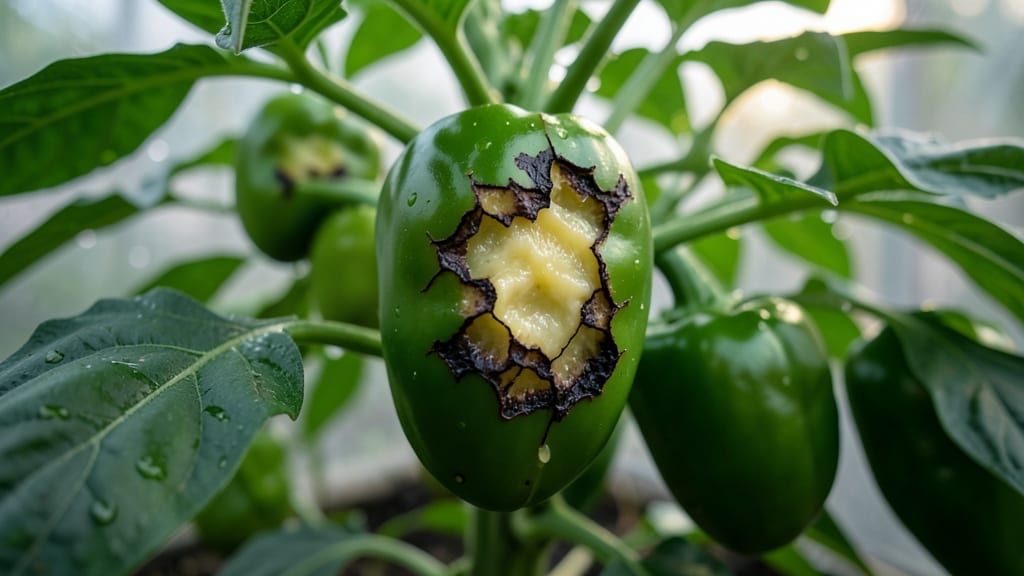
Jalapeño plants are prone to diseases that can devastate your harvest if left unchecked. Learn to identify these 10 common diseases early, using expert symptoms and prevention tips to protect your garden and maximize pepper productivity.
Bacterial Spot on Jalapeño Leaves
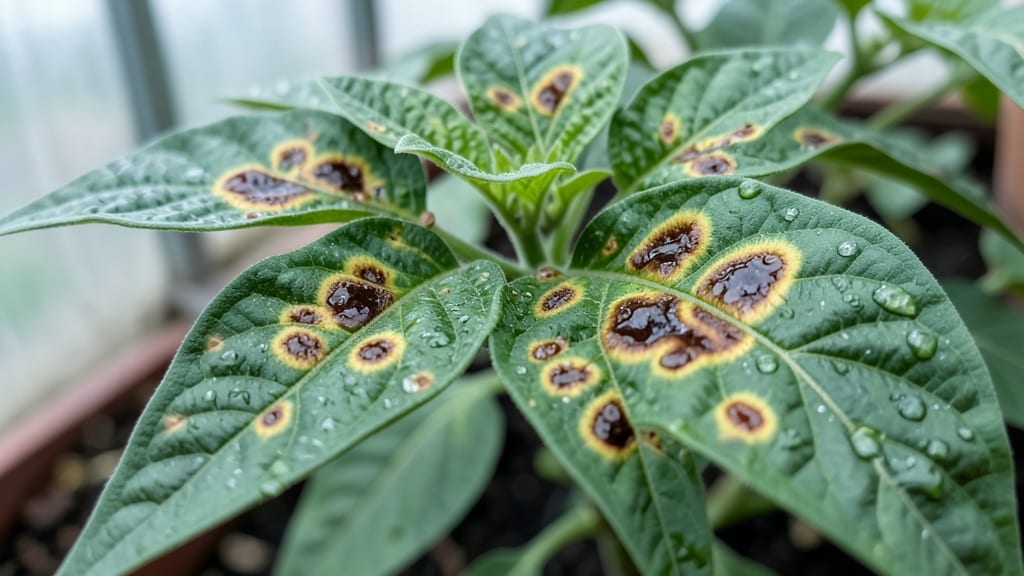
If your jalapeño plants suddenly develop tiny, water-soaked spots that turn brown with yellow halos, you’re likely dealing with bacterial spot—the most aggressive bacterial disease in warm climates. Unlike fungal issues, this spreads rapidly in wet conditions, often wiping out entire plants within weeks if ignored.
Start by removing all infected leaves immediately to prevent spread, and avoid overhead watering to keep foliage dry. For organic growers, baking soda sprays (1 tbsp baking soda + 1 tsp soap per gallon of water) can help, but timing is critical—apply at dawn or dusk when humidity is lower. Resistant varieties like ‘Aristotle’ or ‘Carolina Wonder’ are your best bet for future plantings.
This disease is especially brutal for organic gardeners since copper sprays (the go-to for bacterial spot) are off-limits. Early action and prevention are your only defenses—don’t let this silent killer ruin your harvest! 💪
Pepper Vein Banding Virus
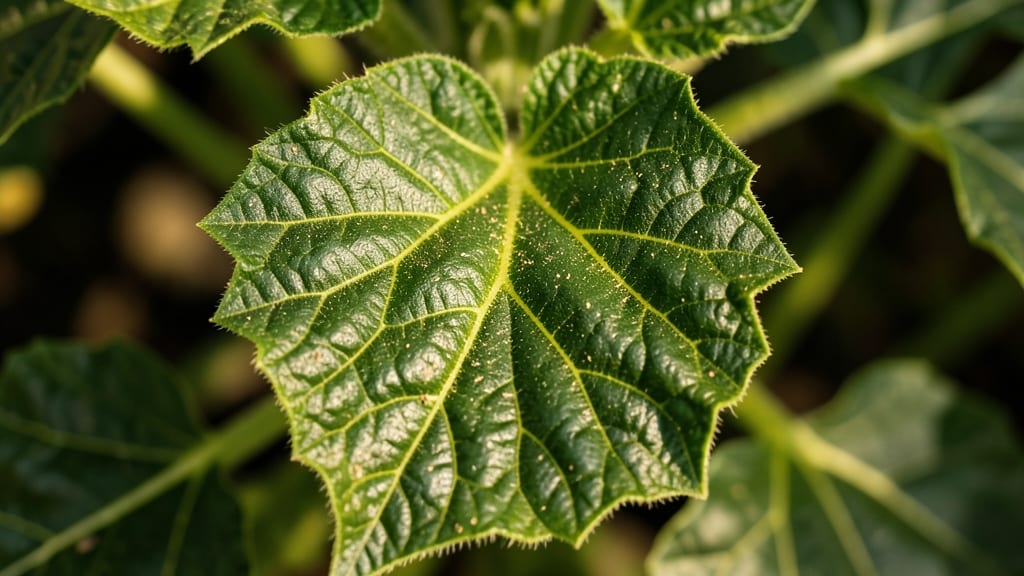
If your jalapeño leaves develop striking yellow-green vein patterns while the rest of the leaf stays green, you might be dealing with Pepper Vein Banding Virus (PVBV)—a telltale sign of aphid-transmitted trouble. Unlike bacterial spots, this virus doesn’t kill plants outright but dramatically reduces fruit quality, leaving peppers small, misshapen, or bitter.
PVBV spreads when aphids feed on infected plants, carrying the virus to healthy ones. Check the undersides of leaves for tiny green or black aphids—your first clue. Since there’s no cure, prevention is key: use yellow sticky traps to monitor aphid populations and neem oil sprays to deter them. If nearby weeds or crops show symptoms, remove them immediately to stop the spread.
This virus is especially dangerous for growers near infected crops or weeds, as it can persist in the environment. If you spot these patterns, quarantine affected plants and focus on protecting healthy ones—your harvest depends on it. 🌿
Powdery Mildew Fungal Infection
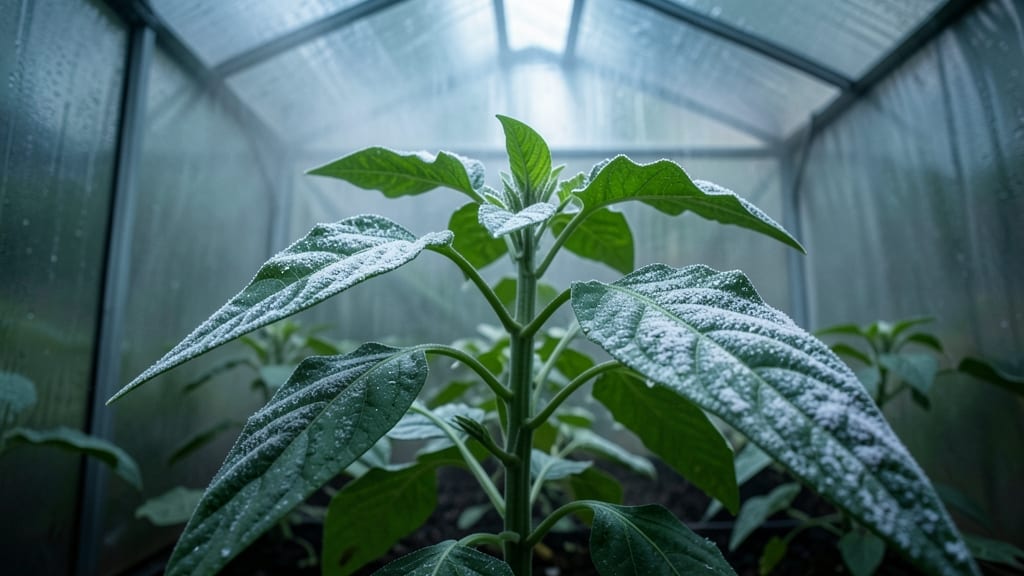
If your jalapeño plants are growing in humid greenhouses or shady spots, a white, powdery coating could signal powdery mildew—a fungal infection that weakens plants and dulls their heat. Unlike bacterial spots or viruses, this disease thrives in still, moist air, leaving a telltale dusty residue on leaves and stems.
To combat it, improve airflow by pruning crowded foliage and spacing plants properly. Apply neem oil or baking soda spray (1 tsp baking soda + 1 quart water + a drop of dish soap) weekly to prevent spores from settling. Remove heavily infected leaves immediately to stop the spread, as this fungus can reduce pepper heat levels by up to 30% if left unchecked.
Greenhouse gardeners and urban growers with limited sunlight should monitor humidity levels and avoid overhead watering. Early action keeps your plants thriving! 🌿
Phytophthora Blight Root Rot
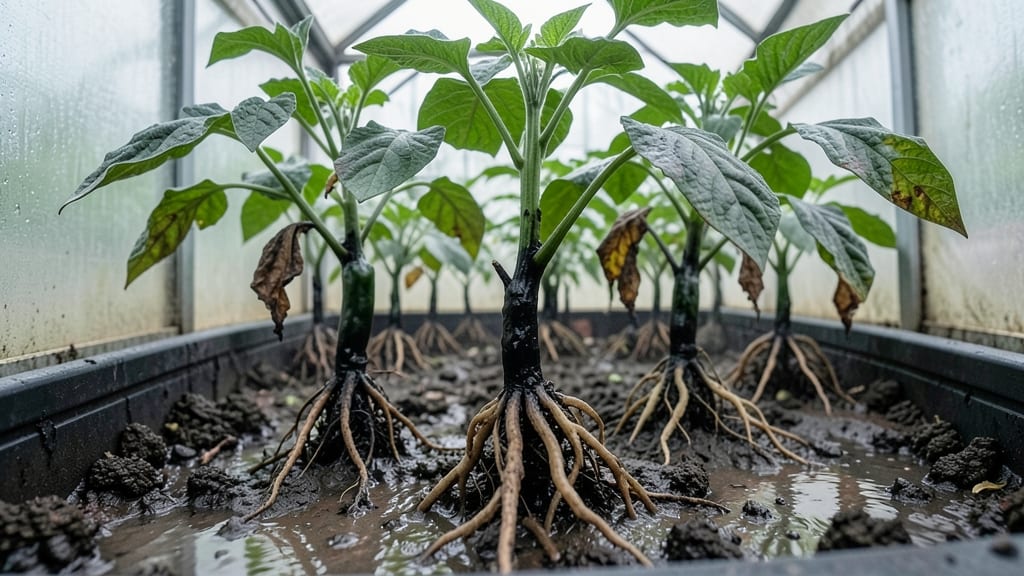
If your jalapeño plants suddenly wilt despite regular watering, Phytophthora blight may be the culprit. This soil-borne pathogen thrives in waterlogged conditions, causing blackened stems and mushy roots that strangle your plants from below.
Look for sudden wilting even when soil feels moist, followed by dark, oily spots on stems at the soil line. Container growers and areas with poor drainage are especially vulnerable—this disease spreads through splashing water or infected soil. Prevent it by ensuring pots have drainage holes and avoiding overhead watering.
For those in rainy climates or using raised beds, soil solarization (covering soil with clear plastic for 4-6 weeks) can kill spores before planting. Act fast—once symptoms appear, the plant is usually beyond saving. 🌱
Alternaria Leaf Spot
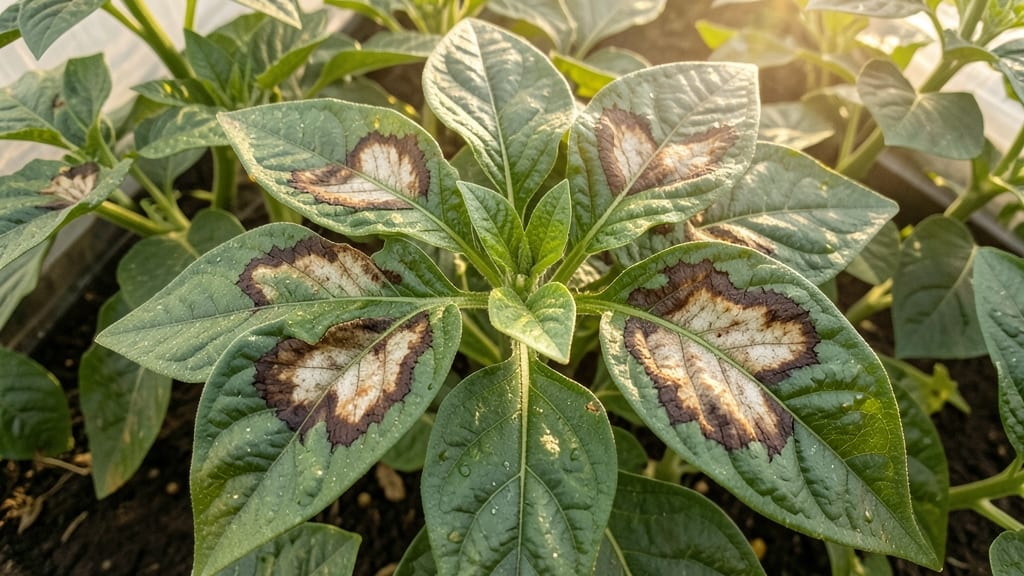
If your jalapeño leaves develop dark brown rings with lighter centers during late summer’s heat, you’re likely dealing with Alternaria leaf spot—not bacterial spot. This fungal disease thrives in hot, humid conditions, making it a sneaky late-season troublemaker that often gets confused with other pepper problems.
The key difference? Alternaria’s spots have concentric rings (like bullseyes) and often appear on older leaves first. Unlike bacterial spot, these lesions don’t ooze, and the fungus spreads via windblown spores. Prune infected leaves immediately and improve airflow by spacing plants 18-24 inches apart to reduce humidity around foliage.
This disease is especially tricky for gardeners in southern climates or those growing peppers in dense plantings. Catching it early means fewer lost harvests—so keep an eye out for those telltale rings before they take over. 🌻
Verticillium Wilt Disease
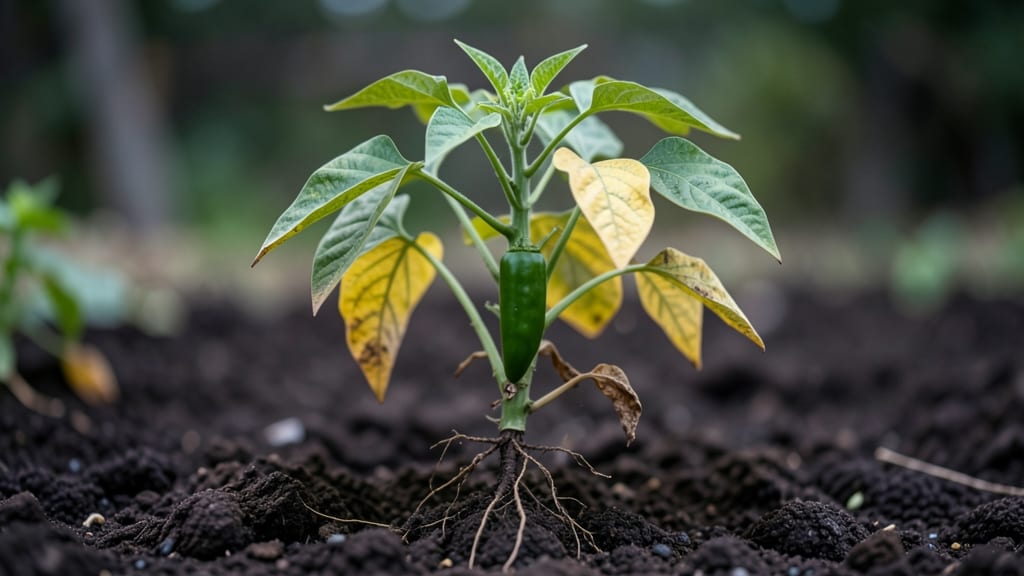
If your jalapeño plants are showing yellowing leaves that start at the bottom and work upward while the plant itself looks stunted, you’re likely dealing with Verticillium wilt—a stubborn soil-borne fungus that thrives in reused garden beds. Unlike other diseases, this one lies dormant in the soil for years, waiting to strike when conditions are right.
This fungus clogs the plant’s vascular system, preventing water and nutrients from reaching the leaves, which is why you’ll see wilting even when the soil is moist. The key to managing it is crop rotation—avoid planting peppers, tomatoes, or eggplants in the same spot for at least 3-4 years. Solarizing the soil in late summer (covering it with clear plastic for 4-6 weeks) can also help kill fungal spores before replanting.
Gardeners who reuse the same soil year after year—especially in container gardens or raised beds—are most at risk. If you suspect Verticillium wilt, remove infected plants immediately and disinfect tools to prevent spreading. 💪
Downy Mildew on Pepper Plants
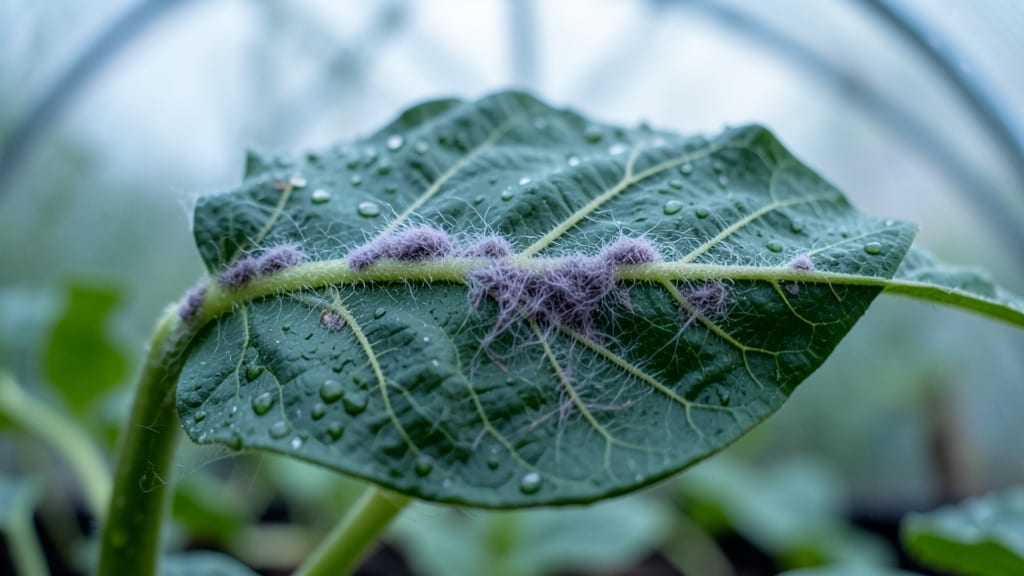
If you’re growing peppers in early spring or fall and notice a fuzzy, purple-gray growth on the undersides of leaves, you’re likely dealing with downy mildew—a fungal disease that thrives in cool, damp conditions. Unlike powdery mildew, this one hides its symptoms until it’s already spreading, making early detection tricky but critical for saving your plants.
This disease weakens leaves by blocking sunlight, leading to yellowing and premature drop-off. The key to stopping it? Remove infected leaves immediately and improve airflow around plants by spacing them properly. Avoid overhead watering, as wet foliage encourages spore spread. For organic control, apply a copper fungicide or neem oil spray every 7–10 days once you spot the first signs.
Gardeners in cooler climates or those extending their growing season with fall plantings should be especially vigilant. Catching downy mildew early means healthier plants and a better harvest—no one wants their jalapeños fighting for survival while you’re trying to spice up your garden! 🌟
Cucumber Mosaic Virus
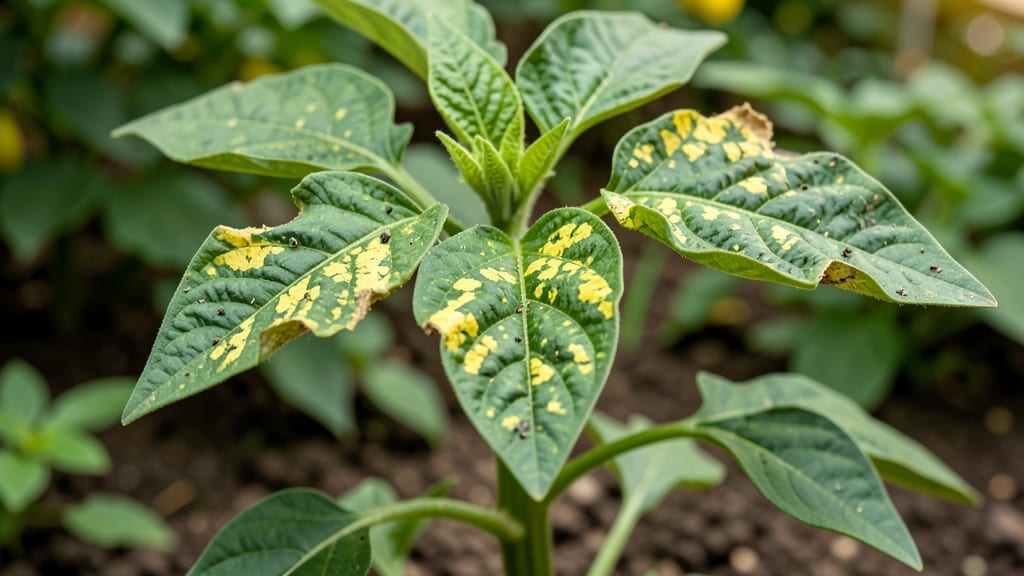
If your jalapeño plants suddenly show mosaic yellow-green patterns on leaves that look crinkled or stunted, you’re likely dealing with Cucumber Mosaic Virus (CMV)—a common but tricky issue in mixed vegetable gardens. Unlike fungal diseases, CMV spreads through aphids, making it especially dangerous in crowded planting areas where pests thrive.
Look for distorted leaves with irregular yellow patches and reduced fruit quality (peppers may be smaller or misshapen). Since there’s no cure, focus on removing infected plants immediately and controlling aphids with neem oil or reflective mulch to deter them. This virus affects over 1,000 plant species, so isolation is key—especially if you grow cucumbers, tomatoes, or squash nearby.
Gardeners with small spaces or community plots should monitor aphid populations closely, as CMV can spread rapidly. Early detection is your best defense—once symptoms appear, it’s too late to save the plant. 🌿
Fusarium Wilt Soil Infection
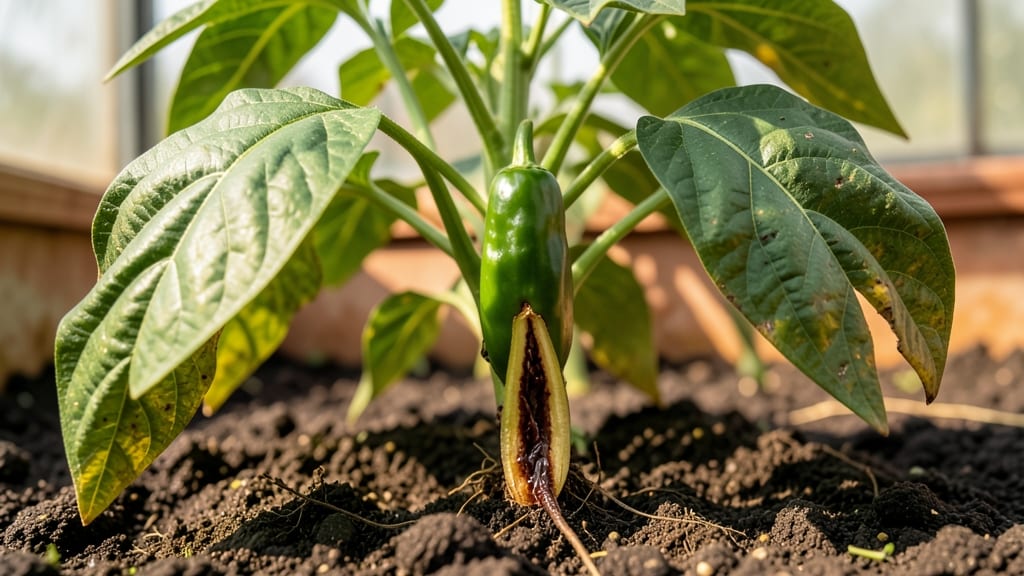
If your jalapeño plants suddenly wilt midday despite healthy-looking soil, Fusarium wilt could be the culprit. This soil-borne fungus thrives in warm climates and leaves behind a telltale sign: brown vascular discoloration when stems are cut open—like a hidden river of rot.
Unlike other wilts, Fusarium attacks the plant’s water-conducting vessels, blocking nutrients and causing leaves to yellow and crisp from the bottom up. The fungus survives in infected soil for years, making crop rotation your best defense—avoid planting peppers or tomatoes in the same spot for at least 3 years. Solarization (covering soil with clear plastic for 4-6 weeks) can kill spores before planting.
Growers in hot, humid regions with past infections should prioritize resistant varieties like ‘Aristotle’ or ‘Carolina Wonder’ and monitor plants for early wilting. Once symptoms appear, remove and destroy infected plants immediately to prevent spread. 🌻
Anthracnose Fruit Rot

When your jalapeño peppers develop dark, sunken lesions that ooze in humid weather, you're likely dealing with anthracnose fruit rot—a fungal disease that can ruin your late-summer harvest if ignored. Unlike leaf-focused diseases, this one attacks the fruit directly, making it especially devastating for home gardeners counting on homegrown peppers.
Identify it by the raised, circular lesions that turn black and sunken, often surrounded by yellow halos. The fungus thrives in temperatures above 80°F and high humidity, so late summer is prime time for outbreaks. Prune infected fruits immediately and avoid overhead watering to reduce spore spread. Copper fungicides applied preventatively can help, but organic growers should prioritize resistant varieties like 'Carolina Reaper' or 'Jalapeño M'.
This disease is a nightmare for container growers or those in humid climates, but early removal of infected peppers and improving airflow can save your harvest. Don’t let a few bad fruits spoil your whole crop! 🌻