Pests and Diseases
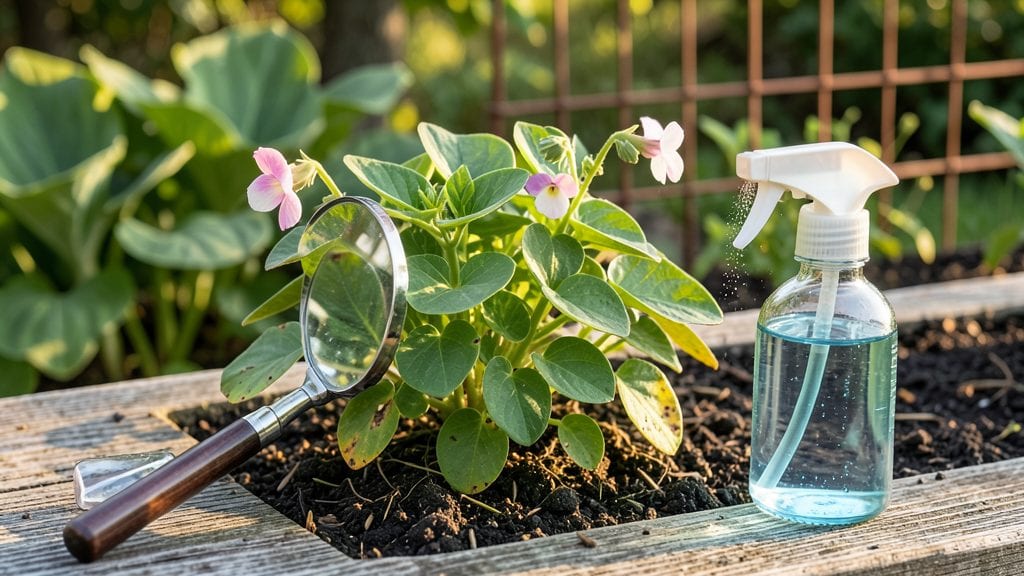
If your impatiens plant’s leaves suddenly bear gray dust or brown splotches, you’re likely battling an impatiens plant disease—and I’ve seen it destroy hanging baskets in under a week. The good news? These diseases respond fast to the right moves, especially if you catch them early.
I've nursed back impatiens that looked dead to life with nothing but a spray bottle and a few minutes of cleanup.
Most of these infections thrive in damp, shady spots where air doesn't circulate. That's why my go-to fix starts with spacing plants properly and watering at the base—not overhead. A quick inspection for yellowing leaves or fuzzy white growth (that's downy mildew) tells you exactly what you're fighting.
The key is acting before the spots spread to the stems, which can kill the plant in days.
You'll have healthy, vibrant blooms again in just a few weeks with proper care. Start by pruning away infected leaves immediately, then treat with a mix of baking soda and water or a copper fungicide.
The plants bounce back faster than you'd expect, and your baskets will look full and lush once more.
This works for both patio containers and garden beds, and the same principles apply to other shade-loving plants like begonias and ferns. Here's how to stop the spread for good—and keep your impatiens thriving all season.
Root Causes of Impatiens Trouble
Impatiens plants, with their vibrant blooms, are a garden favorite—but they’re not immune to disease. Understanding why these issues arise is the first step to prevention. Below, we break down the key factors that make your impatiens susceptible to fungal and bacterial blights, along with the science behind them.
Impatiens thrive in moist, shaded conditions, but too much humidity without proper airflow creates the perfect breeding ground for fungal pathogens like Phytophthora and Pythium. Here’s why:
- Fungal spores thrive in dampness: Fungi need moisture to germinate and spread. When humidity stays above 70% for extended periods, spores land on leaves or soil and quickly colonize.
- Stagnant air traps spores: Dense foliage or overcrowded plants block airflow, preventing water evaporation. This keeps leaves wet longer, giving fungi a foothold.
- Root rot risk: Poor drainage in containers or soggy soil (common in impatiens grown in pots) leads to Phytophthora infections, which attack roots and stems.
💡 Pro Tip: Space plants 12–18 inches apart and avoid overhead watering. Use a fan in greenhouses or shade cloths to improve airflow.
Impatiens love moisture, but their roots hate being waterlogged. Overwatering disrupts oxygen exchange in the soil, creating anaerobic conditions that weaken plants and invite bacterial and fungal invaders.
- Bacterial soft rot (Erwinia): Excess water softens plant tissues, making them easy targets for bacteria that cause mushy stems and leaves.
- Fungal infections (Botrytis): Water sitting on leaves for hours (from poor drainage or heavy rain) triggers gray mold, which thrives in wet, shaded environments.
- Root suffocation: Compacted or clay-heavy soil traps water, cutting off oxygen to roots and stressing the plant, making it more vulnerable to disease.
🔥 Action Step: Test soil moisture with your finger—water only when the top inch is dry. Use well-draining soil mixes (add perlite or sand) and elevate pots to prevent water pooling.
Impatiens are sensitive to environmental shifts, and stress weakens their natural defenses. Common stressors include:
| Stressor | How It Weakens Plants | Disease Risk |
|---|---|---|
| 🌞 Too much direct sun | Leaves scorch, reducing photosynthesis and nutrient uptake. | Increased susceptibility to Alternaria leaf spot. |
| ❄️ Temperature swings | Cold nights or heat stress disrupt cellular function. | Opens wounds for bacterial entry (e.g., Xanthomonas). |
| 🌱 Nutrient deficiencies | Lack of nitrogen or phosphorus stunts growth, making plants less resilient. | Higher chance of Fusarium wilt. |
🌡️ Ideal Conditions: Keep impatiens in partial shade (4–6 hours of morning sun) and maintain temperatures between 60–75°F. Use balanced fertilizer (10-10-10) every 4–6 weeks.
Diseases don’t appear out of nowhere—they hitchhike on tools, soil, or infected plants. Here’s how pathogens invade:
- Infected soil or compost: Reusing garden soil from previous years without sterilization can introduce Pythium or Fusarium spores.
- Contaminated water: Using untreated pond water or recycled rainwater barrels may carry bacterial or fungal agents.
- Gardening tools: Pruners, trowels, or pots harboring old sap or spores can transfer pathogens to healthy plants.
- Nearby infected plants: Weeds or neighboring plants with blight can spread via wind or splashing water.
✨ Prevention Tip: Sterilize tools with 70% isopropyl alcohol or bleach water (1 part bleach to 9 parts water). Start with fresh, disease-free potting mix and avoid planting impatiens where tomatoes or peppers (common blight hosts) grew last season.
While not diseases themselves, pests like aphids, thrips, and spider mites damage plant tissue, creating wounds that bacteria and fungi exploit. For example:
- Aphids: Their honeydew residue fosters sooty mold, which blocks sunlight and stresses the plant.
- Thrips: They scratch leaves, leaving openings for Botrytis to infect.
- Slugs/snails: Their feeding leaves ragged edges, increasing susceptibility to Phytophthora.
🔪 Quick Fix: Spray plants with neem oil or insecticidal soap weekly during peak pest seasons. Remove debris where pests hide.
Quick Fixes for Common Impatiens Ailments
Reviving your impatiens doesn’t have to be a guessing game—once you identify the culprit, you can take targeted action to restore their vibrant blooms. Below are practical, step-by-step solutions for the most common impatiens diseases, along with prevention tips to keep them thriving.
🔥 Remove Infected Leaves Immediately
Fungal diseases like downy mildew or leaf spot spread fast. Snip off infected leaves with sterilized scissors (wipe with rubbing alcohol between cuts) and dispose of them in the trash—not the compost. Avoid wetting foliage when watering to prevent spores from splashing.
🌡️ Boost Airflow and Light
Fungi love humidity and poor ventilation. Space plants 12–18 inches apart and prune crowded stems. If growing in containers, ensure pots have drainage holes. For indoor impatiens, place them near a south-facing window or under a grow light to dry leaves faster.
✨ Fungicide Treatment (When Needed) For stubborn infections, use a copper-based fungicide (like Copper Soap) or a baking soda spray (1 tsp baking soda + 1 quart water + a drop of dish soap).
Spray early in the morning so leaves dry quickly. Reapply every 7–10 days until symptoms fade.
💡 Pro Tip: Water only at the base in the morning to let foliage dry by night—fungi thrive in damp, dark conditions!
🔪 Prune and Sterilize Tools
Bacterial blight causes yellowing, wilting, and oozing lesions. Cut off infected stems 6 inches below the damage and sterilize pruners with bleach (1 part bleach to 10 parts water) or rubbing alcohol. Do not compost infected plant material—it can reinfect your garden.
🚿 Clean Up Debris
Remove all fallen leaves, stems, and mulch around the plant. Bacterial cells linger in organic matter, so sweep the area and dispose of debris properly.
🌱 Quarantine Affected Plants
Isolate infected impatiens at least 10 feet away from healthy ones to prevent cross-contamination. If the disease spreads despite treatment, remove the plant entirely to protect your garden.
💡 Pro Tip: Avoid overhead watering—use a drip irrigation system or watering can with a narrow spout to keep leaves dry.
👨🍳 Blast Off Pests with Soapy Water Mix 1 tsp mild dish soap + 1 quart water in a spray bottle. Lightly coat leaves (avoid flowers) and rinse after 10 minutes.
Repeat every 3–4 days until pests vanish. For stubborn infestations, try neem oil spray (1 tsp neem oil + 1 tsp soap + 1 quart water).
🕷️ Introduce Beneficial Insects
Ladybugs and lacewings devour aphids and mites. Purchase them from garden centers or attract them naturally with dill, fennel, or marigolds planted nearby.
🌿 Strengthen Plant Resilience
Healthy impatiens resist pests better. Fertilize lightly with a balanced 10-10-10 formula every 4–6 weeks and ensure they get 6+ hours of sunlight. Overcrowding stresses plants, so thin them out if needed.
💡 Pro Tip: Check the undersides of leaves daily—pests hide there! A magnifying glass helps spot tiny mites.
| Problem | Prevention Tip |
|---|---|
| Fungal Spread | Space plants properly, water at the base, and avoid wetting leaves. |
| Bacterial Blight | Rotate crops yearly, sterilize tools, and remove debris immediately. |
| Pest Infestations | Encourage natural predators, inspect plants weekly, and avoid over-fertilizing. |
| Root Rot | Use well-draining soil, elevate pots, and never let plants sit in soggy soil. |
✨ Bonus: Solarize your soil in late summer to kill fungal spores—cover garden beds with clear plastic for 4–6 weeks to bake out pathogens.
By acting fast and following these targeted fixes, your impatiens can bounce back—and stay healthy for seasons to come! 🌸💚
Frequently asked questions about impatiens plant diseases
What are the most common signs my impatiens have a fungal infection?
Look for fuzzy gray or white growth on leaf undersides (downy mildew) or brown/yellow spots with dark borders (leaf spot). Fungal infections often appear first on older leaves and spread quickly in humid conditions. Check stems too—black or mushy areas signal root rot.
Can I save an impatiens plant if it has bacterial blight?
It depends on how far it's progressed. For early-stage blight (small yellow spots, wilting), prune infected areas immediately and treat with copper fungicide. If the stem is mushy or oozing, the plant may be beyond saving—remove it to prevent spread. Always sterilize tools between cuts.
How often should I spray my impatiens with fungicide as prevention?
Apply a preventative spray every 2-3 weeks during humid months (spring to early fall). For organic options, use baking soda spray (1 tsp baking soda + 1 quart water + dish soap). Chemical fungicides like copper soap should be used according to package instructions, typically every 7-14 days.
Why do my impatiens get diseases even though I water them at the base?
Even base watering can fail if humidity stays high or airflow is poor. Fungal spores thrive in damp air—consider adding a small fan near your plants or using shade cloth to improve circulation. Also check your soil mix; heavy or compacted soil holds moisture too long, creating root rot conditions.
Are there any impatiens varieties that naturally resist diseases?
Yes! Look for New Guinea impatiens varieties—they're generally more disease-resistant than classic impatiens (Impatiens walleriana). These hybrids tolerate slightly more sun and have better airflow between leaves. Varieties like 'Super Elfin' or 'Fusion' series are excellent choices for problem-prone areas.