
Pruning
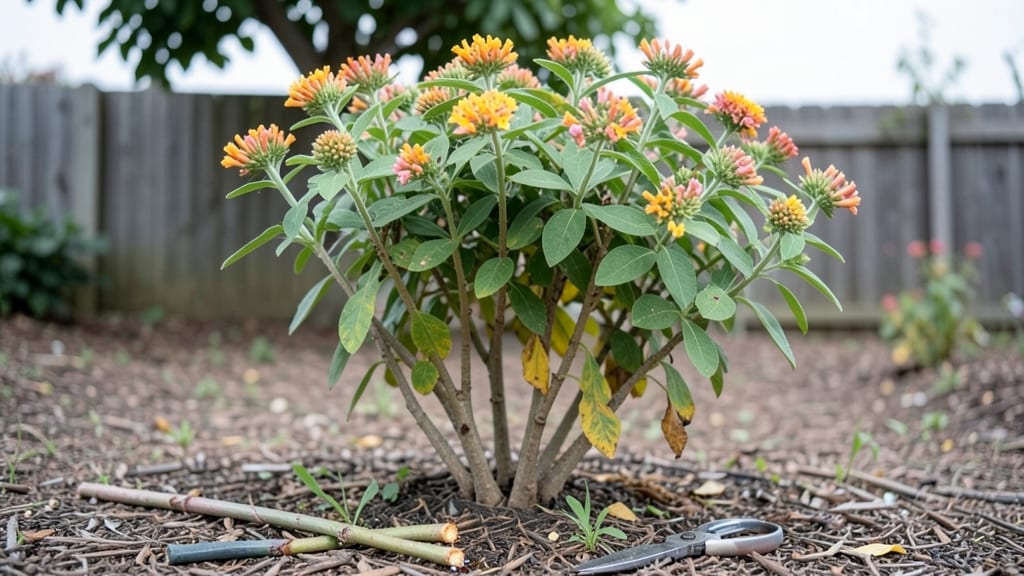
Trimming lantana plants keeps them blooming like crazy all season long. ✨ I learned the hard way that skipping this step means fewer flowers and leggy branches, but once I mastered the timing and technique, my lantana became the star of my summer garden.
The key is cutting back just enough to encourage new growth without stressing the plant—it’s like giving your lantana a spa day that makes it more productive than ever.
You’ll need sharp pruning shears, gloves (lantana can be prickly), and a clear morning when the plant is dry. The best time to trim is right after a major flowering cycle, usually in late spring or early summer, but you can also do light maintenance trims throughout the growing season.
Most people overdo it—just snip back about a third of the plant’s height at a time, focusing on shaping and removing dead or overcrowded stems.
After trimming, your lantana will bounce back with fresh, vibrant growth within weeks. The flowers come back thicker and more colorful, and the plant stays compact instead of sprawling everywhere. I’ve had mine bloom from June until the first frost, and the bees love the constant nectar supply.
The secret is patience—don’t rush the pruning, and you’ll get years of effortless, show-stopping blooms.
This method works for both container lantana and in-ground plants, and it’s foolproof for beginners. Just remember: less is more when it comes to pruning these tough little powerhouses. Let’s get those shears out and turn your lantana into a nonstop flowering machine!
📚 In This Guide
- What you need
- Instructions
- Tips and common mistakes
- Wrapping up and next steps
What you need
- ● Pruning shears or bypass pruners – Sharp, clean (sterilized with rubbing alcohol), and bypass-style (not anvil) to avoid crushing stems. Size: 6-8 inches for medium branches.
- ● Garden gloves – Heavy-duty, nitrile-coated (to protect from thorns and sap). Recommended: 1 pair (extra if working for extended periods).
- ● Disposable pruning saw – For thicker stems (½ inch or larger). Type: Folding saw with fine teeth for clean cuts.
- ● Rubbing alcohol (70% isopropyl) or bleach solution – To sterilize tools between cuts and prevent disease spread. Mix: 1 part bleach to 9 parts water (for bleach solution).
- ○ Garden twine or zip ties – To secure large branches post-pruning if needed. Quantity: Small roll (optional but helpful for support).
- ● Trash bags or compost bin – For disposing of pruned debris. Size: Large bags (15-30 gallons) or easy-access compost bin.
- ● Loppers – For branches ½ to 1½ inches thick (extend your pruner’s reach!).
- ● Hedge shears – If shaping formal hedges or bushy lantana varieties.
- ● Plant food or fertilizer – Balanced 10-10-10 or slow-release granules to nourish plants post-pruning.
- ● Safety glasses – Protects eyes from debris, especially when sawing.
- ● Knee pads or stool – For comfort during long pruning sessions.
Step-by-step instructions for trimming lantana plants
Here's the pruning method I use to keep lantana blooming nonstop—tested across seasons.
✂️ Step 1: Identify and Remove Dead or Diseased Growth
Start by scanning your lantana for any brown, crispy stems or leaves that look like they've been chewed or scorched. These are dead or diseased branches that need immediate removal. Use clean, sharp pruning shears to cut just above a leaf node or a healthy set of leaves—this ensures new growth will sprout from that spot.
I always prune in the morning when the plant is hydrated and the air is cooler. This reduces stress on the plant and helps it recover faster. If you find any stems with blackened spots or oozing sap, snip those off too—they're signs of fungal or bacterial infection that can spread if left unchecked.
✂️ Step 2: Shape the Plant by Cutting Back Leggy Stems
Lantana grows bushy but can become leggy if it doesn't get enough light or if it's been neglected. Look for stems that are stretched out with sparse leaves and few flowers. These are the ones to trim back to encourage denser, fuller growth. Cut each leggy stem back to about 4-6 inches from the base, just above a set of leaves or a leaf node.
Here's the thing—lantana blooms on new growth, so cutting back hard actually triggers more flowers. You'll see fresh green shoots within a week or two, and those will produce clusters of vibrant blooms. If your plant looks top-heavy, trim the taller stems first to balance its shape and prevent it from toppling over.
✂️ Step 3: Encourage Bushier Growth with Strategic Pruning
To keep your lantana compact and full, focus on trimming the outer stems and the tips of branches. This pruning technique encourages the plant to branch out and fill in any gaps. Cut back the tips of the longest stems by about one-third—this is enough to stimulate new side shoots without over-stressing the plant.
I like to step back and look at the plant from all sides as I prune. If one side looks sparser, I'll trim a few stems on the opposite side to balance it out. Lantana is forgiving, so don't worry about making it perfect—just aim for a natural, rounded shape. Avoid cutting into the center of the plant too much, as this can reduce airflow and encourage pests or disease.
✂️ Step 4: Deadhead Spent Blooms for Continuous Flowers
Lantana is a prolific bloomer, but to keep it producing flowers nonstop, you need to deadhead regularly. Pinch or cut off the clusters of spent blooms just above the next set of leaves or buds. This simple step tells the plant to redirect its energy into producing new flowers instead of setting seed.
I deadhead every 2-3 weeks during the growing season to keep the blooms coming. You'll notice new flower buds forming within a week or two of deadheading. If you're growing lantana as a hedge, a light trim after each flush of blooms helps maintain its shape and encourages even flowering throughout the plant.
Tips & tricks for perfect lantana pruning
A few simple tricks will help you keep your lantana looking its best and blooming like crazy all season long.
Timing is Everything: I can't emphasize this enough—morning pruning makes all the difference. The cooler temperatures and hydrated plant mean less stress and faster recovery. If you must prune later in the day, do it in the late afternoon to avoid the intense midday sun. Also, aim to prune during the growing season (spring through fall) when the plant can recover quickly. In winter, just remove dead growth to prevent disease.
Tool Prep Matters: Before you even touch the plant, clean your pruning shears with rubbing alcohol. This prevents spreading disease between cuts. I also recommend sharpening your blades regularly—dull shears crush stems instead of making clean cuts, which can damage the plant. For larger branches, use bypass pruners for cleaner cuts that heal faster. And always cut at a 45-degree angle just above a leaf node to encourage new growth.
Visual Cues for Pruning: When shaping your lantana in Step 3, look for the "third leaf" rule—cut back to a point where you can see at least three sets of leaves below your cut. This ensures you're leaving enough foliage to support new growth. For deadheading in Step 4, pinch off spent blooms when they're just starting to brown but before they turn completely crispy. This timing gives the plant the best chance to produce new buds quickly.
Seasonal Strategy: In early spring, do a more aggressive pruning to shape the plant and remove any winter damage. Throughout the growing season, stick to lighter maintenance pruning every 2-3 weeks. In late summer, you can do a final light trim to encourage one more flush of fall blooms before winter. This seasonal approach keeps your lantana healthy and flowering continuously.
Pro Tips for Trim Lantana Plants
- A few simple tricks will help you keep your lantana looking its best and blooming like crazy all season long.
- Timing is Everything: I can't emphasize this enough—morning pruning makes all the difference.
- Tool Prep Matters: Before you even touch the plant, clean your pruning shears with rubbing alcohol.
Frequently asked questions
Got questions about trimming lantana plants? You’re not alone! Here’s a quick rundown of common concerns to help you keep your lantana thriving with ease.
When’s the best time to trim lantana?
The best time to trim lantana is late winter or early spring, before new growth starts. If your plant looks overgrown or leggy, you can also prune lightly in mid-summer to encourage bushier growth. Avoid heavy pruning in late summer or fall, as it may reduce winter hardiness.
How often should I trim my lantana?
Lantana grows quickly, so aim for light pruning every 4–6 weeks during the growing season (spring to summer) to maintain shape and promote blooming. A hard prune (up to one-third of the plant) once a year in late winter or early spring is ideal for rejuvenation.
Can I trim lantana in the fall?
Light fall pruning is fine, but avoid heavy cuts. If you live in a mild climate, you can trim back leggy stems to encourage winter hardiness. In colder regions, wait until early spring to prune—fall pruning can expose tender new growth to frost.
What if my lantana stops blooming after trimming?
If blooms vanish post-prune, check these fixes: Trim back to a set of healthy leaves (not just bare stems), fertilize lightly with a balanced formula, and ensure it gets 6+ hours of sun daily. Lantana blooms best when pruned regularly and fed properly.
Are there alternatives to pruning lantana?
Yes! If you dislike pruning, try these methods:
- Deadheading: Snip off spent blooms regularly to encourage more flowers.
- Mulching: Keep roots cool and moist with organic mulch to support steady growth.
- Water deeply but infrequently—lantana prefers drought tolerance once established.
Wrapping up and next steps
Trimming your lantana plants doesn’t have to be intimidating—it’s your secret weapon for year-round blooms and lush growth! 🌸 With the right tools, timing, and techniques, you’ll keep those vibrant flowers flourishing while shaping your plant into a stunning focal point.
Remember, regular maintenance is key, so don’t wait until it’s overgrown to start.
Now that you’re armed with pruning know-how, grab those shears and get to work! Start small, observe your plant’s response, and adjust as needed. Happy pruning—your lantana will thank you with nonstop color all season long! 🌿✨