
Companion Plants
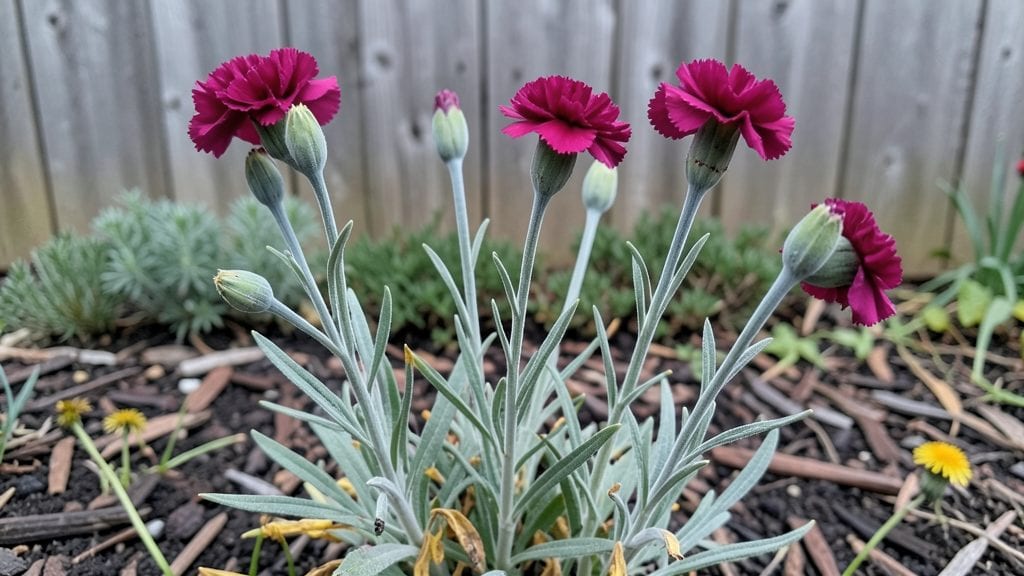
Dianthus and carnation plants bring that shockingly lush pink-and-purple punch to gardens all year—if you get their growing conditions right. 🌸 I’ve had mine bloom from spring through fall, even in partial shade, once I stopped overwatering and adjusted the soil.
The fragrance alone makes them worth the effort, especially when you’re snipping stems for bouquets.
These plants thrive in well-draining soil with a hint of grit (think sand or perlite) to prevent soggy roots, which is their #1 killer. Most varieties need full sun to light shade, but some like Sweet William tolerate morning sun with afternoon relief.
Feed them lightly every 4-6 weeks with a balanced fertilizer—too much nitrogen means fewer flowers and more leafy growth.
Pruning spent blooms keeps them flowering like clockwork, and spacing them 12-18 inches apart gives them room to breathe. Pair them with lavender or thyme for a fragrant, low-maintenance border that hums with pollinators.
The key? Don’t let them dry out completely, but don’t drown them either—these plants are tough once you get their basics dialed.
For carnations, deadhead regularly to encourage more blooms, while Dianthus varieties like ‘Firewitch’ or ‘Mystic Tides’ reward you with bold foliage and long-lasting color. Both handle heat and humidity surprisingly well, making them perfect for zones 5-10.
Start with cuttings or young plants, and you’ll have a fragrant, long-blooming star in your garden before you know it.
📚 In This Guide
- What you need
- Instructions
- Tips and common mistakes
- Wrapping up and next steps
What you need
- ● Dianthus or Carnation Plants: 1–5 healthy nursery-grown plants (choose varieties like Dianthus barbatus for sweet William or Dianthus caryophyllus for carnations)
- ○ Optional: Seeds (if starting from scratch—requires patience and ideal germination conditions!)
- ● Potting Mix or Garden Soil: 5–10 gallons of well-draining potting mix (for containers) or
- ● Improved garden soil with compost (1 part compost to 3 parts soil) for in-ground planting
- ● Containers (if applicable): 1–3 containers (5–7 inches deep) with drainage holes (terracotta or fabric pots work best!)
- ● Fertilizer: Balanced granular fertilizer (10-10-10 or 20-20-20) or
- ● Slow-release organic pellets (like fish emulsion or bone meal)
- ● Tools: Trowel or small shovel
- ● Gloves (to protect hands from thorns or soil)
- ● Watering can or hose with a gentle spray nozzle
- ○ Optional: Pruning shears (for deadheading or shaping)
- ● Sunlight: Full sun (6+ hours daily) for vibrant blooms. Partial shade (4–6 hours) works for cooler climates.
- ● Watering Schedule: Keep soil consistently moist but not soggy (dianthus hates "wet feet"!).
- ● Climate Considerations: Hardy in USDA Zones 3–9 (adjust for frost-sensitive varieties).
- ● Pro Tip: Mulch around plants in winter to protect roots from freezing! ❄️
- ● Pest Control: Watch for aphids, slugs, or spider mites—neem oil or insecticidal soap helps!
Step-by-step guide to planting and maintaining dianthus and carnations
Here's how to cultivate these fragrant, long-blooming favorites with minimal fuss.
🌱 Step 1: Prepare the Planting Site for Optimal Growth
Dianthus and carnations thrive in full sun with at least 6-8 hours of direct light daily. Choose a location with well-draining soil—they despise soggy roots. If your garden has heavy clay, amend the soil with 2-3 inches of coarse sand or perlite mixed into the top 12 inches of soil. This ensures excess water drains away quickly.
Test your soil's pH—these plants prefer 6.0-7.0. If your soil is too acidic, add 1 cup of garden lime per square foot and mix it in 2 weeks before planting. Work the amendments into the top 6 inches of soil, breaking up any compacted layers with a garden fork. The goal is loose, airy soil that mimics their natural rocky habitats.
🪴 Step 2: Plant With Proper Spacing and Depth
Dig holes twice as wide as the root ball but only as deep as the container they came in. Gently remove the plant from its pot and loosen any circling roots with your fingers. Place the plant in the hole so the top of the root ball sits just below soil level—burying the crown too deep invites rot.
Space plants 12-18 inches apart for carnations (larger varieties) and 8-12 inches apart for dianthus. Press the surrounding soil firmly around the base to eliminate air pockets, then water deeply to settle everything. I like to add a 1-inch layer of gravel around each plant to improve drainage further—this mimics their Mediterranean origins.
☀️ Step 3: Water and Fertilize for Vibrant Blooms
Water deeply once a week during the first month to establish roots, then taper to every 10-14 days once established. These plants are drought-tolerant once settled, but they need consistent moisture during flowering. You'll know they're thirsty when the lower leaves start to wilt slightly—this is their signal, not a cry for help.
Feed with a balanced, slow-release fertilizer (10-10-10) at planting time, then again 4-6 weeks later. For a mid-season boost, switch to a low-nitrogen, high-phosphorus formula (5-10-10) to encourage more blooms. Avoid high-nitrogen fertilizers—they produce lush foliage but fewer flowers. I also sprinkle 1 tablespoon of bone meal around each plant annually to support root development.
✂️ Step 4: Prune and Deadhead for Continuous Color
Deadhead spent blooms immediately by snipping the stem just above the first set of healthy leaves. This prevents seed formation and redirects the plant's energy into producing more flowers. I use clean, sharp pruners to avoid tearing stems—rough cuts invite disease. For carnations, also trim back one-third of the plant height after the first flush of blooms to encourage bushier growth.
In late fall, cut back all stems to 2-3 inches above the ground. This prepares the plants for winter dormancy and prevents them from becoming leggy. Mulch lightly with 2 inches of straw to protect roots from freezing temperatures. In early spring, remove the mulch and trim any dead or damaged growth before new shoots emerge.
⏰ Step 5: Overwinter and Prepare for Next Season
Dianthus and carnations are perennial in USDA zones 5-9 with proper care. In colder climates, mound 4-6 inches of straw or leaves around the base before the first frost. This insulation helps protect roots from extreme cold. In late winter, remove the mulch and check for signs of life—you'll see new growth within 2-3 weeks if the plants survived.
If you're in a warmer zone, reduce watering to every 3-4 weeks during winter dormancy. These plants are tough—they'll bounce back from neglect, but consistent care rewards you with longer blooming seasons and healthier plants. I always fertilize lightly in early spring with a half-strength balanced fertilizer to jumpstart new growth.
Tips & tricks for perfect dianthus and carnation planting
Here's what I've learned from years of growing these fragrant beauties—tricks that'll make all the difference in your garden's success.
Sunlight Strategy: Those 6-8 hours of sunlight are non-negotiable, but here's the thing: morning sun with afternoon shade works best in hot climates. I've seen dianthus scorch in intense afternoon heat, even with full sun exposure. If your garden gets brutal afternoon rays, consider partial shade—especially for carnations which are slightly more heat-sensitive.
Soil Science: The 6.0-7.0 pH range is critical, but don't stop at just testing—actually amend the soil as directed. I once planted dianthus in soil I thought was perfect, only to watch them struggle because the pH was 5.8 (slightly acidic). That 1 cup of garden lime per square foot makes a world of difference when mixed into the top 6 inches. Think of it as giving your plants a mineral boost they can't get from regular soil.
Planting Precision: When you're placing those plants in their holes, resist the urge to bury them deeper than the root ball. I've made this mistake twice—both times the crown rotted from being too deep. The top of the root ball should sit just below soil level, like a subtle smile peeking above the surface. For that extra insurance, I always add my gravel ring around each plant to prevent water pooling at the base.
Watering Wisdom: That weekly watering during the first month isn't just about keeping soil moist—it's about establishing strong root systems. I've found that watering deeply (about 1 inch per week) encourages roots to grow downward where they'll find more stability. And when you see those lower leaves start to wilt slightly, that's not a cry for help—it's nature's way of telling you it's time to water. Think of it as their subtle Morse code.
Pro Tips for Dianthus Carnation Plants
- Here's what I've learned from years of growing these fragrant beauties—tricks that'll make all the difference in your garden's success.
- Sunlight Strategy: Those 6-8 hours of sunlight are non-negotiable, but here's the thing: morning sun with afternoon shade works best in hot climates.
- Soil Science: The 6.0-7.0 pH range is critical, but don't stop at just testing—actually amend the soil as directed.
Frequently asked questions
Got questions about growing dianthus and carnation plants? You’re not alone! Here are some of the most common queries—plus quick, practical answers to help you cultivate fragrant, long-lasting blooms with confidence.
Are dianthus and carnations hard to grow for beginners?
Not at all! Both thrive in well-draining soil and full sun, making them perfect for beginners. Carnations are slightly hardier, while dianthus (like sweet williams) may need winter protection in colder zones. Start with healthy nursery plants or seeds, and you’ll see results in weeks!
How long does it take for dianthus or carnations to bloom after planting?
With proper care, you’ll see buds in 6–8 weeks for seedlings or 4–6 weeks for potted plants. For faster blooms, opt for pre-flowering nursery plants. Deadheading spent blooms encourages more flowers, extending your season by months!
Can dianthus and carnations survive winter outdoors?
It depends! Hardy varieties (like Dianthus barbatus) tolerate light frost, but most carnations and tender dianthus need mulch or container protection. In zones 5–8, cut back foliage and cover with straw or burlap. Overwintering in pots? Move them to a garage or shed!
Why are my dianthus or carnation leaves turning yellow or spotted?
Yellowing leaves often signal overwatering or fungal issues. Spots? Check for pests (aphids, spider mites) or bacterial leaf spot. Improve airflow, water at the base, and treat with neem oil or fungicide if needed. Prevention tip: Space plants 12–18 inches apart!
What’s the difference between dianthus and carnations?
| Trait | Dianthus | Carnations |
|---|---|---|
| Foliage | Gray-green, grass-like | Dark green, broad leaves |
| Fragrance | Strongly scented (e.g., sweet williams) | Mild to none (except some heirlooms) |
| Bloom Time | Spring–fall (some repeat) | Spring–summer (long-lasting cuts) |
Need a fragrant pick? Go dianthus! Prefer bold colors and cut flowers? Carnations win.
Wrapping up and next steps
Growing dianthus and carnation plants is a rewarding way to add vibrant, fragrant blooms to your garden year-round—whether in sunny borders, containers, or as delightful companion plants. Their low-maintenance charm and versatility make them perfect for beginners and seasoned gardeners alike.
Now that you’re equipped with the right tips and answers to common questions, why not start planting today?
🌱 Next steps:
- Pick your favorite variety and check local planting guides for your climate.
- Grab your supplies and give these fragrant beauties a home in your garden or patio!