
How To
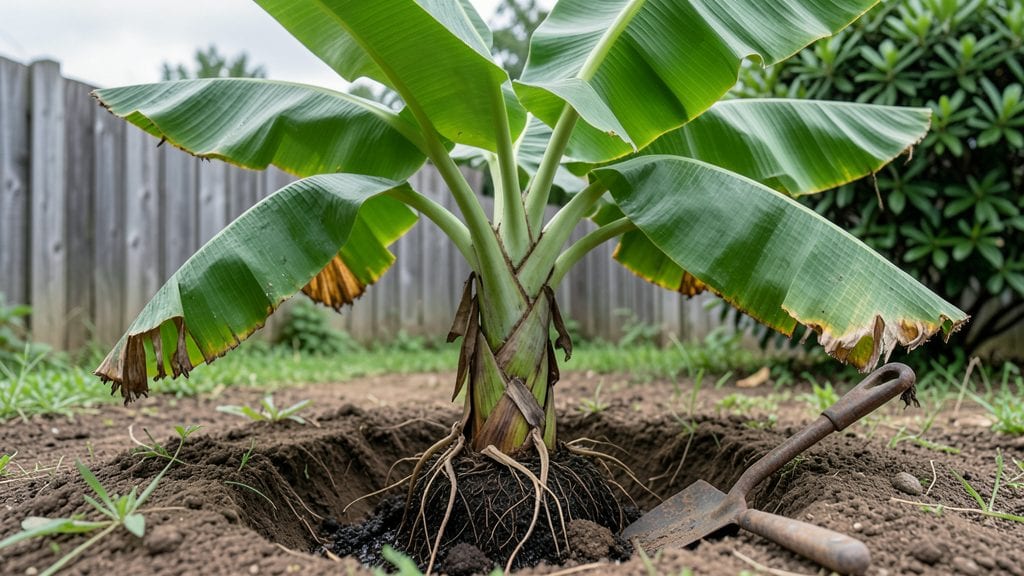
Transplanting banana plants might sound daunting, but I’ve moved mine twice—once from a pot to the ground, another time to a sunnier spot—and each time, the roots bounced back stronger than ever. 🌱 The key isn’t brute force; it’s timing, soil prep, and handling those massive leaves like they’re made of glass.
Most gardeners panic when the roots look tangled, but with the right technique, you’ll have a thriving plant producing fruit faster than you think.
Start by prepping the new spot with loose, well-draining soil mixed with compost—bananas hate soggy feet. Dig a hole twice as wide as the root ball but only as deep, then water it thoroughly before gently sliding the plant in.
The first 48 hours are critical: keep the soil damp (not soaked) and shade the leaves to reduce stress. Within weeks, you’ll see new shoots popping up, proving the transplant worked.
📚 In This Guide
- What you need
- Instructions
- Tips and common mistakes
- Wrapping up and next steps
What you need
- ● Healthy banana plant(s) – Choose plants with pseudo-stems (trunks) that are at least 6–12 inches tall and have 3–5 mature leaves. Avoid plants with yellowing leaves or signs of disease.
- ● Shovel or spade – A garden spade (10–12 inches wide) works best for digging trenches or holes.
- ● Pruning shears or sharp knife – For trimming suckers (baby plants) or damaged leaves.
- ● Well-draining potting mix or soil – A blend of 60% topsoil, 30% compost, and 10% perlite/sand is ideal. For containers, use a lightweight, airy mix (e.g., coconut coir + perlite).
- ● Organic fertilizer – A balanced, slow-release fertilizer (10-10-10 or 8-3-9) or banana-specific fertilizer to boost growth.
- ○ Mulch (optional but recommended) – Straw, wood chips, or pine needles (2–3 inches thick) to retain moisture and regulate soil temperature.
- ● Watering can or hose with a gentle spray nozzle – Bananas need consistent moisture but hate soggy roots.
- ○ Gloves (optional) – Protects hands from thorns and rough soil.
- ● Sunlight – Bananas thrive in full sun (6+ hours/day). Choose a sheltered spot if you’re in a windy or frost-prone area.
- ● Warmth – Ideal temperatures: 75–85°F (24–29°C). Avoid transplanting if night temps drop below 50°F (10°C).
- ● Drainage – Ensure the new location has well-draining soil or a container with drainage holes to prevent root rot.
- ● Time of day – Transplant on a cloudy day or late afternoon to reduce stress from direct sun.
Step-by-step instructions for transplanting banana plants
Here's how to move banana plants with minimal stress and maximum success—your harvest will thank you.
🪴 Step 1: Choose the Right Time and Location
Transplant banana plants during their active growing season, when temperatures stay above 65°F and no frost is forecasted. Early morning or late afternoon works best to avoid midday sun stress. Pick a spot with full sun exposure (6+ hours daily) and well-draining soil—bananas hate soggy roots.
Dig a hole twice as wide and just as deep as the plant's root ball. The key here is to loosen the soil around the edges first with a spade or trowel. I always add a handful of compost to the bottom of the hole to encourage root growth right away. This gives the plant a nutrient boost while it adjusts to its new home.
🌱 Step 2: Prepare the Plant for Moving
Water the banana plant 24 hours before transplanting to keep the root ball moist and compact. This helps prevent roots from breaking during the move. Gently loosen the soil around the edges of the root ball with your hands or a small trowel—don’t dig too deep, just enough to encourage roots to spread outward naturally.
If your banana is in a pot, tip it sideways and tap the container gently to release the root ball. If it’s in the ground, slide a spade under the root ball and lift carefully. You’ll know you’ve done it right when the root ball stays intact with minimal soil clinging to the edges. Real talk: if the roots are circling tightly, trim the outer roots with clean shears to encourage outward growth.
⏰ Step 3: Transplant with Care and Support
Lower the banana plant into the prepared hole, ensuring the top of the root ball sits 1 inch below ground level. This slight depth helps stabilize the plant and encourages new root growth. Fill the hole with the loosened soil, pressing gently around the edges to remove air pockets but avoiding compaction.
Stake the plant immediately with a 3-4 foot bamboo stake tied loosely to the pseudostem (the thick, false stem). Bananas grow tall fast, and wind or heavy fruit can snap them. Use soft plant ties or even old fabric strips—avoid wire, which can cut into the stem as it thickens. Water deeply right after transplanting to settle the soil and reduce shock.
💧 Step 4: Post-Transplant Care for Recovery
Keep the soil consistently moist but not waterlogged for the first 4-6 weeks after transplanting. You’ll know it’s right when the top 2 inches of soil feel damp to touch. Mulch the base with 2-3 inches of organic mulch to retain moisture and regulate soil temperature. Avoid piling mulch directly against the stem—leave a 2-inch gap to prevent rot.
Fertilize lightly with a balanced 10-10-10 fertilizer 2 weeks after transplanting, then switch to a high-potassium fertilizer once new leaves start emerging. This shift supports root recovery and prepares the plant for fruit production. Watch for yellowing leaves—they’re a sign of stress, but don’t panic. It’s normal for a few lower leaves to yellow as the plant adjusts.
☀️ Step 5: Monitor Growth and Adjust Support
Check the stake and ties every 2-3 weeks as the plant grows. Banana pseudostems can swell quickly, so loosen ties if they start to dig in. You’ll see new leaves unfurling within 3-4 weeks if the transplant went well. These leaves should be bright green and upright, not drooping or curled.
If the plant leans toward the sun, gently guide it upright by adjusting the stake or adding a second one on the opposite side. Avoid pruning old leaves unless they’re completely brown or diseased—healthy leaves photosynthesize and feed the plant’s recovery. With proper care, your transplanted banana will reward you with stronger growth and bigger harvests within a season.
Tips & tricks for stress-free banana plant transplanting
Moving banana plants can be tricky, but these insider tips will help you avoid common pitfalls and give your plant the best chance to thrive in its new home.
The 24-Hour Watering Rule: I can't stress this enough—the 24-hour watering before transplanting is your secret weapon. It keeps the root ball cohesive and prevents roots from snapping when you lift the plant. If you forget, give the soil a thorough soaking right before moving day. The goal is a moist but not soggy root ball—you should be able to squeeze a handful of soil and see just a few drops of water, not a gush.
Root Ball Rescue: When lifting the plant, you might discover roots circling tightly around the pot or root ball. This is actually a good sign you've been growing it long enough! Trim these circling roots with clean shears before planting—they'll grow outward more naturally in the new hole. Just be careful not to cut into healthy roots growing outward. Think of it like giving your banana plant a fresh haircut to encourage better growth patterns.
Temperature Timing: That 65°F minimum isn't just arbitrary—it's the sweet spot where banana roots are active but not stressed. If your thermometer shows temperatures dropping below this, wait another week. Cold roots struggle to establish in new soil, and you'll see it in stunted growth or yellowing leaves. I've transplanted in 70°F weather and seen plants recover beautifully within weeks, but that 65°F line is your safety net.
Staking Strategy: Don't wait until the plant is leaning to stake it—install that 3-4 foot bamboo stake immediately after planting. Banana pseudostems can grow surprisingly fast, and once they start leaning, they're harder to correct. Use two stakes if your plant is particularly tall or if you live in a windy area. The key is to tie them loosely enough that the stem can still swell slightly as it grows, but tightly enough to prevent swaying in the breeze.
Pro Tips for Transplant Banana Plants
- Moving banana plants can be tricky, but these insider tips will help you avoid common pitfalls and give your plant the best chance to thrive in its new home.
- The 24-Hour Watering Rule: I can't stress this enough—the 24-hour watering before transplanting is your secret weapon.
- Root Ball Rescue: When lifting the plant, you might discover roots circling tightly around the pot or root ball.
Frequently asked questions
Got questions about transplanting banana plants? You’re not alone! Here are some of the most common concerns—and their stress-free solutions.
When is the best time to transplant banana plants?
Transplant banana plants during the early rainy season or when the soil is moist but not waterlogged. In tropical climates, aim for spring or summer (avoid frost-prone areas). Young plants (under 1 year) transplant best, while mature plants need extra care—plan for a cloudy day to reduce shock.
How long does it take for a transplanted banana plant to recover?
Recovery time varies! Most banana plants show signs of regrowth in 2–4 weeks, with full vigor returning in 3–6 months. Monitor for yellowing leaves (normal at first) and keep soil consistently moist. Patience pays off—healthy roots = bigger harvests!
Can I transplant banana plants without digging up the whole root ball?
Yes! For smaller plants, use the “slip method”: Cut a section of the pseudostem (with roots) and replant it. For mature plants, trim the root ball to half its size to encourage new growth. Just avoid damaging the corm (the thick base)—it’s the plant’s lifeline!
What should I do if my banana plant’s leaves turn yellow after transplanting?
Yellow leaves are often normal post-transplant, but check for overwatering or root damage. If the soil stays soggy, reduce watering; if roots look mushy, trim the affected parts. Fertilize lightly with potassium-rich compost to boost recovery. Pro tip: Prune yellow leaves to redirect energy to new growth!
Can I transplant banana plants in containers?
Use a large pot (20+ gallons) with drainage holes and well-draining soil. Dwarf varieties thrive in containers, while larger types need regular repotting (every 2–3 years). Place pots in full sun and fertilize monthly with banana-friendly nutrients (high in potassium and phosphorus).
Still stuck? Drop your question in the comments—we’re happy to help your banana plants thrive!
Wrapping up and next steps
Transplanting banana plants might seem daunting, but with the right preparation and care, you can give your tropical friends a fresh start for a bigger, healthier harvest. 🌱 Remember to choose the right time, use proper techniques, and keep an eye on your plant’s recovery—your patience will pay off in lush, fruitful growth!
Now that you’re equipped with the know-how, roll up your sleeves and give your banana plants the new home they deserve. Ready to watch them thrive? Start digging—literally!