
How To
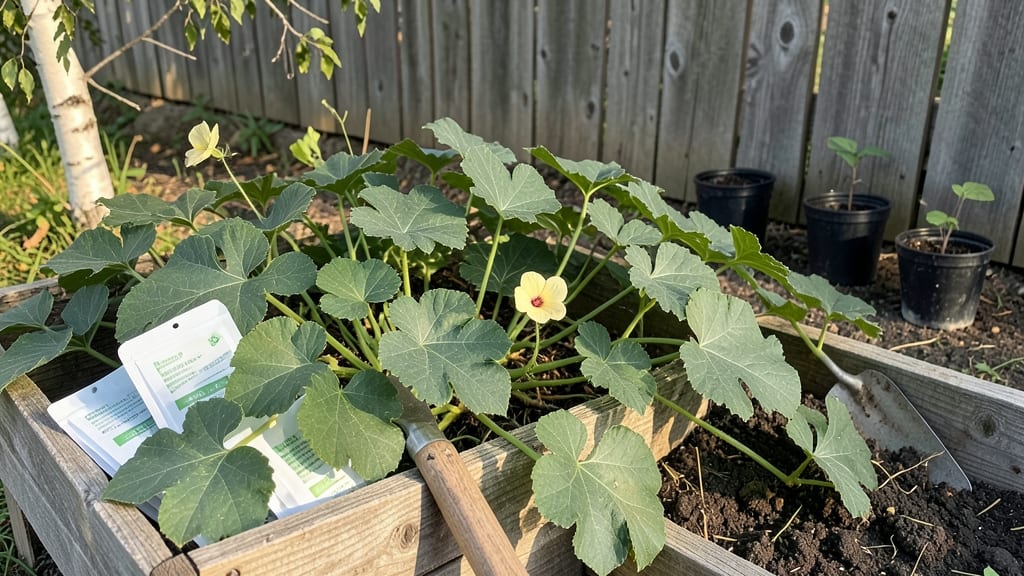
Planting Sugar Baby watermelon seeds 🍉 at the right temperature and depth is the fastest way to guarantee those sweet, small fruits by summer.
Struggling to get your Sugar Baby watermelon seeds to sprout quickly? The secret lies in mastering soil temperature—this trick can cut germination time in half and boost your harvest success.
Most gardeners wait until late spring, but the key is warming the soil to 70°F before planting between April 15 and May 15 in USDA Zone 6a. Too cool, and seeds rot; too hot, and they dry out before sprouting.
Below, I’ll walk you through the exact planting steps—from soil prep to spacing—and share my proven method for faster germination so you can enjoy those 60-day Sugar Babies by July.
Optimal soil temperature for Sugar Baby watermelon seed germination
If you're eager to grow Sugar Baby watermelons, don't overlook the power of soil temperature. These tiny seeds need warmth to wake up and sprout—65-95°F is their sweet spot for germination. Too cold, and they'll sulk; too hot, and they risk damage.
The right temperature can slash your germination time from weeks to just 5-7 days, giving you a head start on that juicy harvest.
Most gardeners make the mistake of planting too early when the soil is still chilly. Sugar Baby watermelon seeds are particularly sensitive—below 60°F, they barely sprout, while above 95°F, they can overheat.
I’ve learned the hard way that patience pays off: waiting for the perfect window means stronger seedlings and fewer failures.
To check your soil temperature accurately, invest in a soil thermometer (they’re cheap and game-changing). Stick it 2-3 inches deep—that’s where your seeds will be—and take readings in the morning. 70-85°F is ideal for consistent germination, but even 65°F will work if you’re patient.
Pro tip: Test multiple spots in your garden—soil can vary wildly even in small areas!
Here’s the summary table breaking down the critical temperature zones for Sugar Baby watermelon seeds, plus how to adjust your soil naturally or artificially:
<summary-table>| Temperature Range (°F) | Germination Speed | Seedling Health | Adjustment Method |
|---|---|---|---|
| 65-70°F | Slow (10-14 days) | Weak, leggy | Use black plastic mulch or row covers |
| 70-85°F | Fast (5-7 days) | Strong, healthy | Perfect natural conditions (ideal!) |
| 85-95°F | Very fast (3-5 days) | Risk of overheating | Partial shade cloth or evening watering |
| Below 65°F | None (seeds rot) | Fungal risk | Delay planting or use heat mat |
| Above 95°F | None (seeds die) | Desiccation | Provide afternoon shade |
If your soil is running too cool, don’t panic—there are simple fixes. Black plastic mulch is my go-to for warming soil naturally. Lay it down a week before planting to absorb sunlight and raise temperatures by 5-10°F.
For even faster results, combine it with a clear plastic tunnel (like a mini greenhouse) to trap heat. I’ve seen germination times drop from 14 days to 5 days using this combo!
On the flip side, if your soil is too hot, avoid planting midday. Instead, opt for evening sowing when temperatures dip slightly. For extreme heat, drape a shade cloth (30-50%) over your seed beds during peak sun hours.
This keeps the soil from becoming a sauna while still allowing light to reach your seeds.
For container growers, heat mats are a lifesaver. Plug one under your pots to maintain 75-85°F consistently. I use a 100-watt mat for my 5-gallon pots, and it’s made all the difference in my balcony garden.
Just remember to unplug it once your seeds sprout to avoid over-heating the roots.
One common mistake I see is relying on air temperature instead of soil temperature. A 75°F afternoon might feel perfect, but if the soil is still 55°F, your seeds will suffer.
Always check below the surface—this is where the magic (or the misery) happens. Pro move: Keep a soil thermometer handy and test daily until you hit that 70°F+ sweet spot.
Lastly, consistency is key. Fluctuating temperatures stress seeds, so aim for stability. If you’re in a cooler climate, start seeds indoors under grow lights in a heated propagator, then transplant when soil warms up.
For hot climates, plant in early spring or late summer to avoid the peak heat. With the right temperature management, you’ll be feasting on Sugar Baby watermelons in no time!
Step-by-step guide to planting Sugar Baby watermelon seeds in warm soil
Ready to grow your own Sugar Baby watermelons? These compact, sweet varieties are perfect for small gardens, but their success starts with proper seed planting techniques. Unlike larger watermelons, Sugar Baby seeds need consistent warmth and careful spacing to thrive.
I’ve planted dozens of these over the years, and I’ll share my foolproof method to ensure strong germination and healthy vines.
Before you begin, confirm your soil temperature is at least 70°F (21°C)—this is critical for fast sprouting. Cold soil delays germination, leaving seeds vulnerable to rot. Once your bed is ready, follow these precise steps to plant your Sugar Baby watermelon seeds like a pro.
Step-by-Step Planting Guide
-
Step 1: Prepare the Seed Bed
Choose a location with full sun exposure (6-8 hours daily) and well-draining loamy soil. Work in 2-3 inches of compost or aged manure to enrich the bed. Avoid fresh manure, which can burn seeds.
-
Step 2: Warm the Soil
Use black plastic mulch or a cold frame 1-2 weeks before planting to raise soil temperature. Aim for 75-85°F (24-29°C)—this speeds up germination from 7-10 days to just 3-5 days.
-
Step 3: Plant the Seeds
Make small hills 1 inch deep and 2 feet apart (for hills) or 3-4 feet apart in rows. Place 2-3 seeds per hill—this accounts for uneven germination. Thin to the strongest seedling later.
-
Step 4: Cover and Water
Gently cover seeds with soil and water lightly to settle the soil (avoid soaking). Use a fine mist or watering can to prevent displacing seeds. Keep soil moist but not soggy until sprouts appear.
-
Step 5: Monitor Germination
Sprouts should emerge in 3-10 days. If none appear after 10 days, gently water again or check for rotten seeds (discard and replant). Once sprouts are 2 inches tall, thin to one seedling per hill.
-
Step 6: Provide Support
Install trellis netting or small cages to support vines as they grow. Sugar Baby varieties produce 3-6 lb fruits, so sturdy support prevents soil-borne diseases and makes harvesting easier.
Pro Tip: Place a thermometer in the soil to track temperature—consistent warmth is key for fast, even germination.
One common mistake I see is overcrowding seeds, which leads to weak, competitive seedlings. Always space Sugar Baby watermelons 3-4 feet apart—their vines spread widely, and proper spacing improves air circulation, reducing powdery mildew risks.
If your soil stays cool, consider using a seedling heat mat for an extra boost.
After planting, maintain consistent moisture—watermelons need 1-2 inches of water per week, especially during flowering. Mulch with straw to retain soil moisture and suppress weeds. Within 75 days, you’ll have sweet, 4-inch diameter watermelons ready to harvest!
If your seeds still don’t sprout after 2 weeks, the issue might be old seeds or poor soil contact. Try replanting with fresh seeds and press them gently into the soil to ensure good contact. Patience and warmth pay off—your Sugar Baby watermelon harvest will be worth it! 🌱🍉