
Lawn
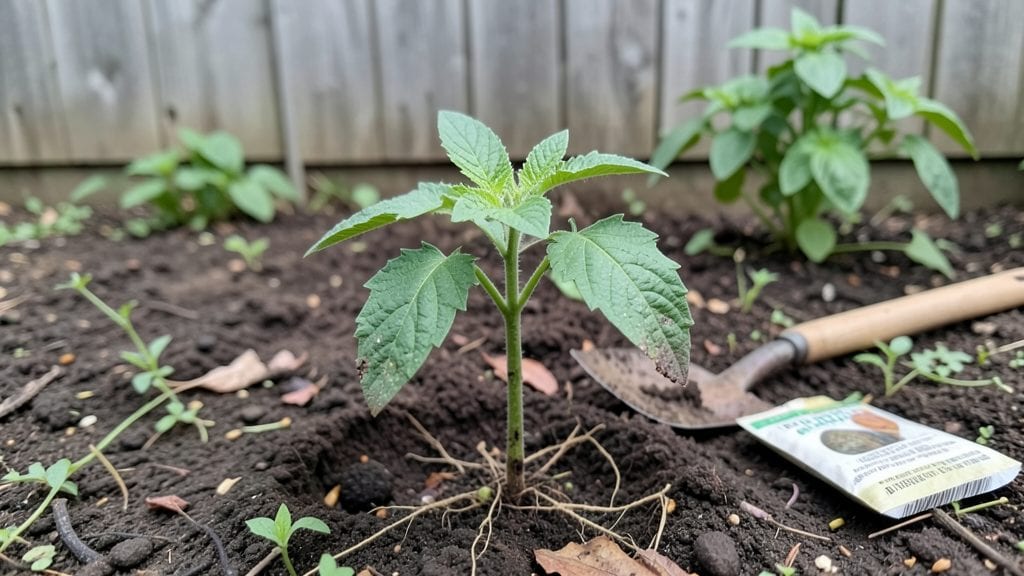
Weather for seed planting depends on soil temperature, frost risk, and moisture levels—cool-season crops like lettuce thrive in 40–50°F soil, while warm-season plants such as tomatoes need 60–70°F. Check your USDA hardiness zone and avoid planting before the last frost date or during heavy rain to ensure germination success.
Getting seed planting weather right means watching for more than just rain in the forecast. Soil warmth is the real game-changer—cool-season veggies like spinach can handle chilly nights, but their roots need that 40–50°F baseline to kickstart growth.
Meanwhile, tropical plants like peppers won't even think about sprouting until the dirt hits 65°F or higher. 🌱 I always double-check my local frost dates using the USDA Plant Hardiness Zone Map, since a late freeze can turn your seedbed into an icy graveyard overnight.
Even humidity plays a role: too much moisture can drown seeds before they germinate, while dry spells might require extra watering to keep the soil consistently damp.
Here's a pro tip: if your forecast shows three consecutive days above 50°F for cool-season crops (or 60°F+ for warm-season), that's your green light—just make sure the ground isn't waterlogged.
I've learned the hard way that rushing seeds into cold, wet soil is like sending them to a sauna with a snowstorm outside. Patience pays off when you match your planting schedule to Mother Nature's rhythm.
💡 In This Article
- How Climate Zones Affect Seed Germination Timing
- Practical Weather Checks Before Planting Seeds
How climate zones affect seed germination timing
The USDA Plant Hardiness Zone Map divides North America into 13 zones based on average annual minimum temperatures, but for seed planting, the real magic happens in the soil temperature—not just air temperature.
For example, Zone 5 (where winters dip to -20°F) might see its first frost-free window in early May, but the soil temperature could still be hovering around 45°F—too cool for warm-season crops like cucumbers, which need 65°F+ soil to germinate.
This mismatch is why gardeners in colder zones often start with cold-hardy greens (like kale) before transitioning to tomatoes or peppers once the ground warms.
Microclimates add another layer of complexity. Urban areas with concrete and asphalt absorb and retain heat, creating pockets that can be 5-10°F warmer than surrounding rural fields. This "heat island effect" might let you plant warm-season seeds 2-3 weeks earlier in a city garden than in open countryside.
Conversely, windy coastal regions or high-altitude areas can delay soil warming by 1-2 weeks compared to inland zones. I once planted beans in my backyard (Zone 6) on the same day as a neighbor in a sheltered microclimate—only to see their seedlings emerge a full week ahead of mine.
Cold-hardy plants like broccoli and peas have evolved to germinate in 40-50°F soil and even tolerate light frosts, thanks to their ability to produce antifreeze proteins that protect cellular structures.
These plants thrive in the spring shoulder seasons (March-April in Zones 4-7) when air temperatures fluctuate wildly but soil remains stable. In contrast, heat-sensitive crops like basil and okra won't germinate below 60°F and may suffer seedling mortality if nighttime temperatures drop below 55°F after planting.
The science here involves enzyme activity: cooler temps slow down metabolic processes needed for germination.
Frost-free dates vary dramatically by region—Zone 10 (southern California) averages 300 frost-free days annually, while Zone 3 (northern Minnesota) might see just 90 days.
This explains why gardeners in warm climates can direct-sow tomatoes in February, while those in colder zones rely on season extenders like cold frames or row covers. What most people don't realize is that soil takes longer to warm than air—it can lag by 1-2 weeks after the last frost.
That's why I always bury my soil thermometer 2 inches deep (the typical planting depth for most seeds) rather than checking surface temps.
Here's a concrete example: In Zone 7, you might plant cool-season crops like carrots in early March when soil temps are 45°F, but wait until late May for peppers when soil reaches 70°F. The difference?
Carrots germinate in 14-21 days at cool temps, while pepper seeds may take 2-3 weeks just to crack open at warm temps. This timing gap is why succession planting works—you can stagger plantings of the same crop (like lettuce) every 2 weeks to ensure a continuous harvest through changing seasons.
One final twist: humidity matters too. In high-humidity zones (like the Southeast), seeds may rot before germinating if soil stays too wet, while arid regions (like the Southwest) require extra irrigation to maintain consistent moisture. The key is monitoring relative humidity levels—ideal germination occurs at 40-60% humidity.
Too much moisture slows oxygen exchange, while too little causes seeds to dry out. That's why I always check the 7-day forecast for both temperature trends and precipitation before breaking out the seed packets.