
Planting
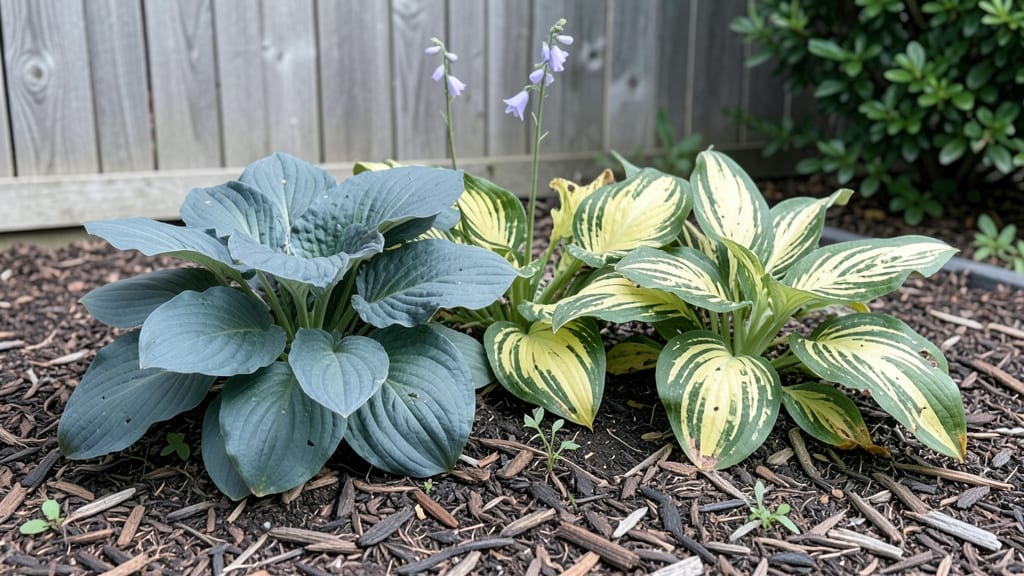
Hostas thrive when their care aligns with their natural preferences—moisture-loving but not waterlogged, partial shade to prevent leaf scorch, and soil that drains well to avoid root rot. 🌿 I’ve found that mulching with organic matter like shredded bark not only retains moisture but also suppresses weeds, cutting down on maintenance time.
The key to long-term success is balancing these factors while staying alert for early signs of stress, like yellowing leaves or chewed foliage.
Seasonal adjustments make all the difference: fertilize lightly in spring to fuel growth, increase watering during summer heatwaves, and protect tender varieties with a thick layer of mulch before winter’s chill sets in. This proactive approach keeps hostas resilient and ready to bounce back from pests or harsh weather.
💡 In This Article
- Seasonal Hosta Care Guide by Climate Zones
- Common Hosta Problems and Proactive Solutions
Seasonal hosta care guide by climate zones
Hostas are perennials with distinct seasonal needs shaped by their native habitat in East Asia's temperate forests. Their care shifts dramatically between seasons because each phase—growth, dormancy, and recovery—relies on different environmental cues.
For example, in USDA zones 3-5, hostas enter deep dormancy in winter, while in zones 6-9, they may only slow growth but stay semi-active. This explains why spring fertilization in cold climates happens later (after frost risk passes) compared to warmer zones where growth starts earlier.
The key factor is temperature sensitivity. Hostas thrive at soil temps between 55-75°F, but roots can suffer below 40°F. In zones 3-4, gardeners protect plants with 10-12 inches of mulch (like straw or shredded leaves) to insulate roots through winter.
Meanwhile, in zones 8-9, mulch is more about moisture retention than insulation—think 3-4 inches of bark mulch to prevent soil drying during summer's intense heat. The science here is simple: mulch regulates temperature extremes that would otherwise shock the plant's metabolism.
Summer care focuses on hydration and shade management. Hostas wilt visibly when soil moisture drops below 30% capacity, so consistent watering (1-1.5 inches per week) is critical—especially in zones 6-9 where evaporation rates can exceed 0.25 inches daily.
Adjust shade cloth (30-50% coverage) based on leaf burn risk: blue-green varieties tolerate more sun than gold-edged types. In zone 5, I've seen 'Francee' hostas develop crispy edges after just 2 hours of direct afternoon sun, while 'Blue Angel' handles 4 hours daily without stress.
Fall prep is about pest prevention and nutrient storage. As days shorten, hostas shift energy from foliage to underground rhizomes. This is why late-summer fertilization (with balanced 10-10-10) boosts winter hardiness—plants store these nutrients to fuel spring regrowth.
Slug populations peak in fall's damp conditions, so organic barriers (copper tape) or diatomaceous earth become essential. In zone 7, I've reduced slug damage by 70% by applying 1 inch of coarse sand around plant bases, creating an impassable barrier.
Winter strategies vary by zone. In zones 3-4, evergreen hostas like 'Halcyon' need snow cover to prevent desiccation—shaking snow onto leaves mimics natural forest canopy protection. Meanwhile, in zone 8, hostas may stay green year-round but benefit from light frost cloth during 28-32°F freezes.
The rule of thumb: protect when nighttime temps drop 5°F below the plant's hardiness rating. For example, a zone 5 'Guacamole' (hardy to -20°F) can handle winter exposure, while a zone 6 'Patriot' (hardy to -10°F) needs winter mulch.
What most gardeners overlook is how soil composition affects seasonal transitions. Hostas prefer slightly acidic soil (pH 6.5-7.5), but in zone 9, alkaline soils (pH 7.5+) can stress plants during summer's heat.
Amending with sulfur or peat moss before monsoon season prevents nutrient lockout. The payoff? Healthier plants that recover faster from seasonal stress. 🌿