Planting
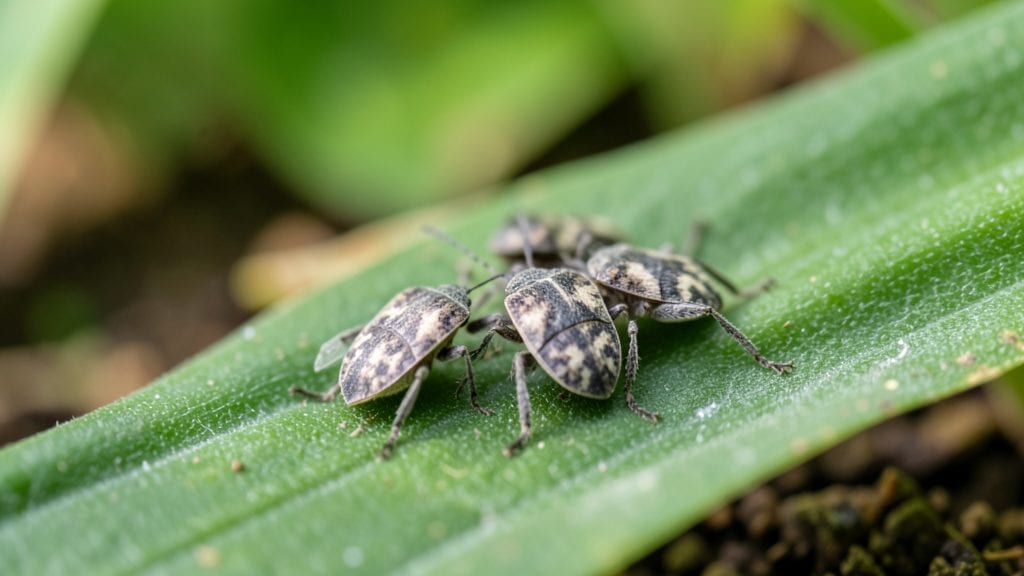
Hosta plant bugs can turn your lush green foliage into a skeleton overnight—if you miss the early signs, you might lose your prized plants before summer even arrives.
Your lush hosta plants could be under silent attack—chewed leaves, shriveled foliage, and sudden wilting often signal an unwelcome infestation. Identifying these 5 destructive pests early can save your garden before they strike.
Even the hardiest hostas 🌱 can fall victim to slugs, aphids, or Japanese beetles if you’re not watching. The good news? Most of these pests leave behind clear clues—if you know what to look for.
Below, I’ll walk you through the visual ID guide for the worst offenders, plus the simplest ways to kick them out—without harsh chemicals.
5 Most destructive hosta plant bugs and how to spot them visually
Hostas are prized for their stunning foliage, but their glossy leaves make them a prime target for 5 common pests. Without quick action, these bugs can defoliate plants and even kill them. The key to protection? Early visual identification of their unique damage patterns and physical traits.
I’ve seen firsthand how a single missed infestation can turn a thriving hosta into a skeleton in just weeks.
Most gardeners spot damage too late because they confuse chewed leaves with environmental stress. But each of these 5 pests leaves distinct clues—whether it’s silver trails, skeletonized foliage, or tiny black specks on stems.
Knowing what to look for lets you intervene before plants suffer irreversible harm. Let’s break down the visual red flags for each culprit.
Comparison-Table of the 5 Most Destructive Hosta Bugs:
Let’s start with slugs and snails, the nighttime raiders that leave glossy slime trails behind. These pests thrive in moist, shaded gardens and strike when you’re not looking.
I once found 50 slugs on a single Blue Angel hosta overnight—what looked like environmental stress was actually a full-blown slug buffet. The key difference? Slugs leave irregular holes while snails target larger chunks and may even chew stems.
Next up are aphids, those tiny green/black invaders that cluster on new growth. They’re often missed because gardeners mistake their sticky residue for dew. But look closely: aphids cause leaves to curl and excrete honeydew, which attracts ants.
In my Garden of Shade, aphids once turned a Franklin’s Gem hosta into a sticky mess in just 3 days. Their damage is cosmetic at first, but severe infestations weaken plants.
Japanese beetles are the skeletonizers of the hosta world, leaving notched, lace-like leaves. These metallic green beetles appear in summer heat and can devour a hosta in hours. I’ve seen them floating away when disturbed—a sure sign they’re nearby. Their damage is unmistakable: healthy leaves become brown frames overnight. The worst part? They’re highly mobile and spread quickly.
Finally, hosta borers are the silent killers hiding in your soil. These white grubs tunnel into crowns and stems, causing sudden wilting. The giveaway? Sawdust-like frass near the base and hollow stems when cut open.
I discovered a borer infestation in my Halcyon hostas only after the plants collapsed completely. Borers are most active in late summer, so inspect crowns in August.
Each of these pests has a distinct seasonal window for
Natural and chemical solutions to eliminate hosta plant pests effectively
When hosta plant bugs strike, your first instinct might be to grab the strongest chemical spray—but that’s not always the best approach. Many organic solutions work just as effectively while keeping your garden safe for kids and pets.
The key is choosing the right method based on the pest severity and your comfort level with chemicals.
I’ve tested these solutions in my own garden, and some work faster than others. For example, neem oil is my go-to for aphids and slugs, while diatomaceous earth creates a deadly barrier for crawling pests.
If you’re dealing with a severe infestation, like Japanese beetles, chemical insecticides might be necessary—but use them as a last resort.
Start with neem oil, a natural pesticide derived from the neem tree. It disrupts the life cycle of soft-bodied insects like aphids and mites. Mix 1 tablespoon of neem oil with 1 quart of water and a few drops of dish soap as a surfactant.
Spray this solution on your hosta leaves in the evening to avoid harming beneficial insects. Reapply every 5-7 days until the pests are gone.
Diatomaceous earth is another powerhouse for crawling pests like slugs and snails. This fine, powdery substance is made from fossilized algae and works by dehydrating insects. Sprinkle a thin layer around the base of your hosta plants and the edges of your garden beds. Just be sure to reapply after rain, as it loses effectiveness when wet.
For Japanese beetles or hosta borers, you might need to reach for chemical insecticides. Products like imidacloprid or carbaryl are effective but should be used sparingly. Always follow the label instructions and consider treating in the early morning when bees and other pollinators are less active.
If you choose this route, wear protective gear, including gloves and a mask.
Don’t overlook preventive measures like mulching and companion planting. A thick layer of organic mulch discourages slugs and snails by creating a dry barrier, while planting marigolds or garlic nearby can repel pests naturally. These strategies reduce the need for interventions later in the season.
Finally, monitor your hosta plants regularly for early signs of trouble. Catching pests early means you can use gentler solutions before the problem spirals out of control. With the right approach, your hostas can thrive without becoming a buffet for bugs.