
Companion Plants
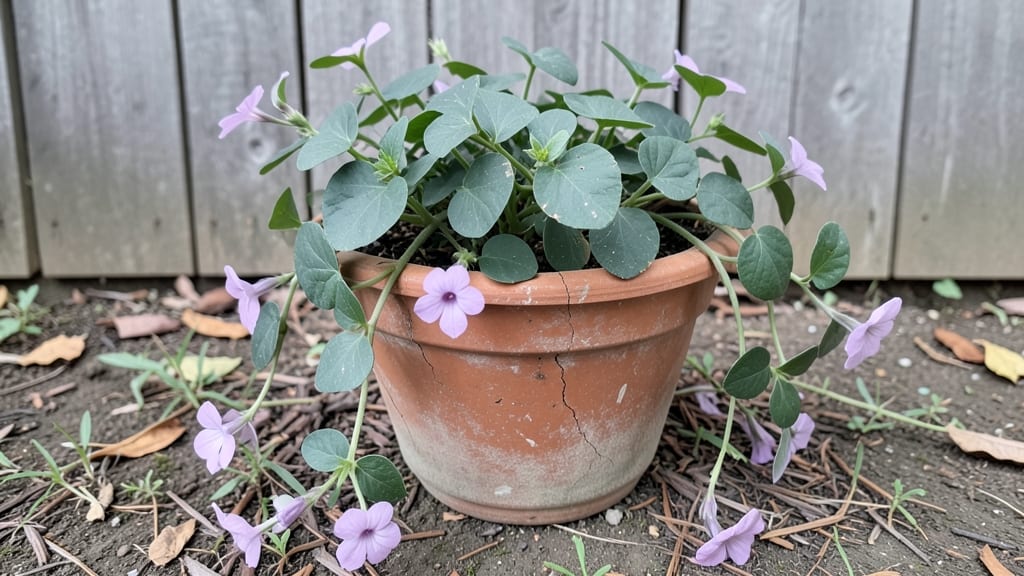
Hanging vinca plants bring effortless cascading color to patios and porches, and I’ve learned the simple tricks to keep them blooming all season long. 🌿 The key isn’t complicated—it’s about matching their love of sun, well-draining soil, and just the right amount of water to prevent those pesky brown edges.
My baskets stay vibrant from spring through fall with minimal fuss, and the trailing habit makes them perfect for adding vertical interest without taking up precious ground space.
You’ll need a sturdy hanging basket at least 12 inches wide, a lightweight potting mix designed for containers, and vinca plants with healthy roots—nothing fancy. Start by layering sphagnum moss at the bottom for drainage, then mix in slow-release fertilizer to feed those blooms steadily.
The real secret? Planting them just slightly crowded so they fill in faster and create that lush, waterfall effect everyone loves.
Once they’re hanging, keep the soil consistently moist but never soggy—vinca hates wet feet. A quick morning watering is usually enough, and you’ll know it’s time when the top inch feels dry.
Pinch back leggy stems in early summer to encourage bushier growth and more flowers, and feed them every 4-6 weeks with a balanced liquid fertilizer. Within weeks, your balcony or porch will be draped in cheerful purple, pink, or white blooms that last until frost.
They’re tough enough to handle a few pests and forgetful waterings, but watch for aphids or spider mites—just hose them off if you spot them.
And here’s the best part: vinca thrives in full sun to partial shade, so they work in almost any spot, from shady porches to sunny decks. With these simple steps, you’ll have trailing color that’s almost impossible to kill—and neighbors will be asking for your secrets.
📚 In This Guide
- What you need
- Instructions
- Tips and common mistakes
- Wrapping up and next steps
What you need
- ● Hanging baskets: 1–2 baskets (8–12 inches in diameter) with drainage holes. Pro tip: Choose lightweight materials like coconut fiber or plastic for easy handling! 🌡️
- ● Potting mix: 1–2 bags of well-draining cactus/succulent mix (or amend regular potting soil with perlite/vermiculite for aeration).
- ● Vinca plants: 3–5 trailing vinca plants (e.g., Vinca minor or Catharanthus roseus) per basket. Opt for healthy specimens with vibrant foliage!
- ● Slow-release fertilizer: 1 packet (10–20 lbs) of balanced, time-released granules (10-10-10 or 14-14-14).
- ● Watering can: 1 with a rose nozzle for gentle watering.
- ● Scissors or pruners: 1 pair (sterilized) for trimming.
- ○ Support stakes (optional but helpful): 1–2 bamboo or plastic stakes (if vincas need extra guidance).
- ● Moss or sphagnum: A handful to line the basket bottom for moisture retention.
- ● Decorative accents: Shells, pebbles, or decorative pots to enhance aesthetics.
- ● Liquid fertilizer: 1 bottle of water-soluble fertilizer (20-20-20) for mid-season boosts.
- ● Plant ties: Soft twine or clips to secure vincas to stakes if needed.
Step-by-Step instructions for growing hanging vinca baskets
Here's how to create vibrant, low-maintenance cascading displays that brighten any porch or patio.
🪴 Step 1: Select and Prepare the Hanging Baskets
Choose 14-16 inch diameter baskets with sturdy handles for your four vinca plants. I prefer ones made of coconut fiber or plastic with built-in watering systems—they hold moisture better and prevent root rot. Cut a 2-inch layer of landscape fabric to fit over the drainage holes. This keeps soil from washing out while still allowing excess water to escape.
Fold the fabric edges inward slightly before placing it over the holes. Secure it with a few staples or twist ties so it stays in place. The fabric creates a natural barrier that prevents soil loss while maintaining proper drainage—critical for vinca's shallow roots.
🌱 Step 2: Layer the Moisture-Retention Materials
Place a 1-inch layer of sphagnum moss over the fabric. This helps retain moisture while allowing air circulation. Next, add a 2-inch layer of perlite mixed with the 4 gallons of potting mix. The perlite creates air pockets that prevent compaction, which vinca roots despise. Distribute the mix evenly across the basket bottom.
Here's the thing—don't skip the perlite. I've seen vinca plants wilt within days when planted in regular soil without this airy component. The moss and perlite combo keeps roots oxygenated while holding just enough moisture for vinca's drought-tolerant nature.
✂️ Step 3: Plant the Vinca and Create Trailing Stems
Remove vinca plants from their nursery pots and gently tease apart the roots if they're crowded. Place 2-3 plants per basket, spacing them evenly around the edges. The roots should sit just above the perlite layer—never buried deeper than 1 inch. Vinca thrives when its roots can spread freely near the surface.
Create trailing stems by weaving the vines through the basket's openings. This encourages the plants to cascade naturally. Water thoroughly after planting until water runs freely from the bottom. Real talk: Don't overwater now. Vinca hates soggy roots, so let the top inch of soil dry between waterings.
☀️ Step 4: Position and Maintain for Continuous Blooms
Hang baskets in a location with 4-6 hours of morning sun and afternoon shade. Vinca tolerates heat well but can scorch in intense afternoon rays. I place mine under a covered porch where they get bright indirect light most of the day. Water every 2-3 days until the soil feels dry to touch about 1 inch deep.
Feed with ½ teaspoon of slow-release fertilizer mixed into the soil at planting, then again after 6 weeks. You'll see new growth and blooms within 4-6 weeks if the plants get consistent moisture and light. Deadhead spent flowers occasionally to encourage more blooms—though vinca is so prolific, you'll often have flowers cascading nonstop.
💧 Step 5: Winter Care for Year-Round Color
When temperatures drop below 30°F, move baskets to a sheltered location or bring them indoors near a bright window. Reduce watering to every 7-10 days once growth slows in winter. Vinca is surprisingly cold-hardy but prefers to stay slightly dormant in winter months. In spring, resume regular watering and fertilizing as growth resumes.
This is the moment that matters: If you notice yellowing leaves in winter, it's usually from overwatering. Vinca stores water in its thick stems, so it needs far less moisture when growth pauses. A quick check with your finger—if the soil feels damp below 1 inch, wait before watering again.
Tips & tricks for perfect hanging vinca baskets
A few simple tricks will help your vinca plants thrive and cascade beautifully all season long.
Basket Selection Matters: The 14-16 inch diameter is ideal for four vinca plants, but here's what I've learned: Coconut fiber baskets breathe better than plastic, but plastic ones are easier to clean. If you choose plastic, make sure it has drainage holes—vinca roots need oxygen, not soggy conditions. And trust me on this: Avoid baskets with tiny holes that clog easily.
The Moisture Layering Secret: In Step 2, that 1-inch sphagnum moss layer is non-negotiable. It's the difference between plants that thrive and ones that wilt. I've seen people skip it, thinking regular soil is enough—big mistake. The moss holds moisture while still allowing airflow, which vinca roots absolutely love. And that 2-inch perlite layer? Don't skimp! It prevents compaction that would strangle those shallow roots.
Planting Depth Tip: When placing your vinca plants in Step 3, remember: The roots should sit just above the perlite layer, never buried deeper than 1 inch. I've made the mistake of planting too deep, thinking it would help them establish better—wrong! Vinca's shallow roots need surface access to oxygen and light. After planting, give them a thorough watering until water runs freely from the bottom. This ensures the soil settles properly around the roots.
Winter Care Wisdom: That 30°F temperature threshold is crucial. When you move baskets indoors for winter, place them near a bright window but avoid direct heat sources. I've seen vinca leaves burn from radiators that seem harmless. And here's a pro move: If you notice yellowing leaves in winter, it's almost always overwatering. Vinca stores water in its stems, so it needs far less moisture when growth slows. A quick finger check—if soil feels damp below 1 inch, wait before watering again.
Pro Tips for Hanging Vinca Plants
- A few simple tricks will help your vinca plants thrive and cascade beautifully all season long.
- Basket Selection Matters: The 14-16 inch diameter is ideal for four vinca plants, but here's what I've learned: Coconut fiber baskets breathe better than plastic, but plastic ones are easier to clean.
- The Moisture Layering Secret: In Step 2, that 1-inch sphagnum moss layer is non-negotiable.
Frequently asked questions
Got questions about keeping your hanging vinca plants happy and thriving?
Here are some of the most common ones—plus quick, practical answers to help you grow stunning cascading blooms with ease.
How often should I water my hanging vinca plants?
Water your vinca when the top inch of soil feels dry—usually every 2-3 days in hot weather or every 5-7 days in cooler conditions. Hanging baskets dry out faster, so check moisture frequently. Pro tip: Use well-draining soil and a self-watering basket to prevent root rot.
When is the best time to plant vinca in hanging baskets?
Plant vinca in spring after the last frost (USDA Zones 7-11) for the best results. They thrive in warm weather and can handle light frosts, but avoid planting in fall if winters are harsh. Bonus: Start seeds indoors 6-8 weeks before the last frost for an earlier bloom.
Why aren’t my vinca plants blooming?
Vinca may skip blooms if they’re over-fertilized with high-nitrogen food (focus on phosphorus for flowers) or lack sunlight (6+ hours of sun daily). Deadhead spent blooms regularly and prune leggy stems to encourage bushier growth. Quick fix: Move to a sunnier spot and switch to a bloom-boosting fertilizer.
Can vinca survive winter in hanging baskets?
Vinca is tender perennials in cold climates (Zones 9-11). In colder areas, dig up pots and store them indoors (50-60°F) or cut back and mulch the basket for overwintering. If left outside, protect with frost cloth or bring indoors before temps drop below 20°F.
What plants pair well with vinca in hanging baskets?
Vinca loves companions! Try pairing it with:
- Trailing lobelia (for blue/purple contrast)
- Sweet potato vine (for lush green foliage)
- Calibrachoa (mini petunias for extra color)
- Ferns or ivy (for texture and shade tolerance)
Wrapping up and next steps
Hanging vinca plants are a low-maintenance, high-reward addition to any garden or patio, offering vibrant blooms and lush foliage with minimal effort. Their adaptability, drought tolerance, and stunning cascading habit make them perfect for elevating spaces with color and life—whether you're a seasoned gardener or just starting.
Now that you’re equipped with the right tips, go ahead and transform your hanging baskets into a breathtaking display!
Ready to plant your vincas? Grab your supplies, choose your favorite varieties, and get growing! 🌸 For extra inspiration, browse hanging basket design ideas or explore complementary companion plants to create a showstopping setup.