Companion Plants
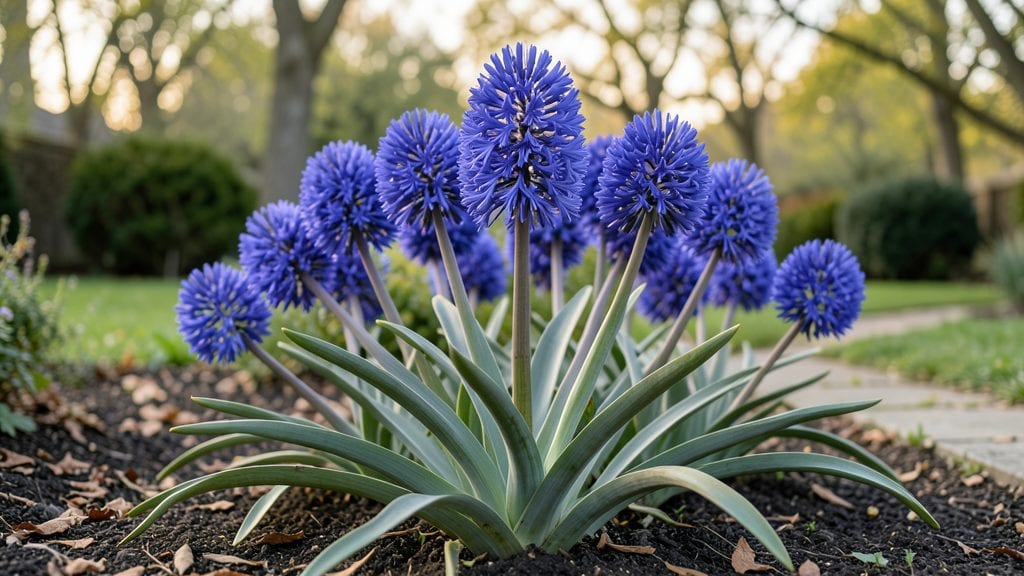
Blue purple plants transform any garden into a dreamy, moody masterpiece—think velvety lavender, deep salvia spikes, and hydrangeas that shift with the seasons. 💜 I’ve designed borders and containers with these colors for years, and the key is pairing them with the right textures and complementary shades.
Lavender’s silvery-blue blooms soften modern spaces, while salvia’s tall purple spikes add drama to cottage gardens.
Start with a foundation of ornamental grasses like ‘Karl Foerster’ fountain grass, which adds movement and height. Pair it with hydrangeas for their color-changing magic—blue in acidic soil, pink in alkaline.
For containers, mix purple-leafed plants like coleus with silver foliage for contrast, and add a pop of white blooms to keep the look fresh and airy.
The secret to cohesive color schemes? Stick to a 60-30-10 rule: 60% dominant purple-blue, 30% complementary neutrals (silver, white, or gray-green), and 10% contrasting accents like chartreuse or deep burgundy. This balance prevents the space from feeling overwhelming while keeping it vibrant year-round.
Whether you’re going for a pollinator-friendly meadow or a sleek modern border, these plants deliver texture, movement, and seasonal interest. Let’s bring that calming, rich palette to your garden—no matter your style.
📚 In This Guide
- What you need
- Instructions
- Tips and common mistakes
- Wrapping up and next steps
What you need
- ● Blue-purple plants: Choose from varieties like Heuchera (Coral Bells), Agapanthus (Lily of the Nile), Lobelia, or Stachys byzantina (Lamb’s Ear). Start with 3–5 plants for a small garden or 1–2 per container for pots.
- ● Well-draining soil: A mix of potting soil (for containers) or native soil amended with compost (for garden beds). Aim for 2–3 gallons per plant.
- ○ Containers (optional but handy): If growing in pots, use 5–7-inch diameter containers with drainage holes. Terracotta or fabric pots work best!
- ● Slow-release fertilizer: A balanced 10-10-10 or 20-20-20 formula (1 tbsp per plant) to kickstart growth.
- ● Mulch: 1–2 inches of organic mulch (like shredded bark or straw) to retain moisture and suppress weeds.
- ● Garden trowel or hand shovel for planting.
- ● Watering can or hose with a gentle spray nozzle (avoid overwatering!).
- ○ Gloves (optional but recommended for handling soil and plants).
- ● Sunlight assessment: Most blue-purple plants thrive in partial shade (4–6 hours of sunlight daily), but check your plant’s specific needs!
- ● Pruning shears (for trimming dead foliage or shaping plants later).
- ● Epsom salt (1 tbsp dissolved in water monthly) for Heuchera to boost purple hues!
- ● Decorative rocks or pebbles for a polished container look.
- ● Plant labels to track varieties (trust us, they grow fast!).
- ● Grow lights (for indoor setups or low-light areas).
How to cultivate stunning blue-purple foliage plants in containers
Here’s how to select and care for four showstopping blue-purple plants that bring drama to any garden year-round.
🌿 Step 1: Choose the Right Blue-Purple Varieties for Your Climate
Start with four proven cultivars that thrive in containers: 'Black Lace' elaeagnus (silver-blue foliage), 'Purple Smoke' bush (deep violet-blue leaves), 'Blue Fountain' spurge (velvety blue-green), and 'Royal Purple' smoke bush (bronze-purple stems and foliage). Each handles different light conditions—'Black Lace' tolerates shade, while 'Blue Fountain' craves full sun.
Check your USDA hardiness zone before selecting. Most blue-purple plants handle zones 5-9, but 'Royal Purple' smokes bush extends to zone 3 if winter-protected. I always verify cold tolerance because purple foliage plants often struggle in frost-prone areas. Group them by sun needs to simplify care later.
☀️ Step 2: Position for Optimal Light Exposure
Place 'Blue Fountain' spurge in full sun (6+ hours daily)—its leaves will deepen to a richer blue when exposed. 'Black Lace' elaeagnus thrives in morning sun with afternoon shade, especially in hot climates where direct afternoon light scorches its delicate silver-blue leaves.
Rotate containers weekly to prevent leaning. You’ll notice uneven growth if one side gets more light—this is your cue to move the pot. For indoor winter displays, supplement with a grow light 6 inches above for 12 hours daily to maintain vibrant color.
💧 Step 3: Master Watering for Vibrant Foliage
Blue-purple plants hate soggy roots—water only when the top 2 inches of soil feel dry. I test this by sticking my finger in; if it comes out clean, it’s time. 'Royal Purple' smoke bush needs moderate moisture, while 'Blue Fountain' spurge prefers drier conditions—overwatering turns its leaves yellow.
Use room-temperature water to avoid shocking roots. In summer, water early morning to reduce evaporation. If leaves start drooping or curling, it’s a sign of either underwatering or overwatering—check soil moisture before panicking.
✂️ Step 4: Prune for Bushier, Brighter Growth
Trim back 1/3 of leggy stems in early spring to encourage dense, vibrant foliage. Use clean, sharp pruners to avoid tearing leaves. For 'Black Lace' elaeagnus, I shear lightly after flowering to maintain its silver-blue silhouette. Never prune 'Royal Purple' smoke bush in late summer—new growth won’t harden off before frost.
Remove any yellow or brown leaves immediately—they drain energy. You’ll see fresh purple-blue regrowth within 2-3 weeks if you prune at the right time. For container plants, I also pinch back tips of new growth to force bushier habits.
🪴 Step 5: Fertilize for Intense Color Year-Round
Feed with a balanced 10-10-10 fertilizer every 6 weeks during growing season (spring-fall). For maximum purple intensity, switch to a low-nitrogen, high-phosphorus formula (5-10-10) in late summer. I always water deeply before applying fertilizer to prevent root burn.
In winter, reduce feeding to once every 8 weeks—over-fertilizing stresses plants when they’re dormant. If you notice pale foliage, it’s a sign of nitrogen overload; flush the soil with water to reset.
Tips & tricks for perfect blue-purple foliage plants
These game-changing strategies will help you cultivate showstopping blue-purple plants that stay vibrant all year. I've learned these through years of trial and error—trust me, your garden will thank you.
Selection Tip: When choosing your cultivars, pay special attention to the 'Royal Purple' smoke bush—it's the hardiest option for colder climates (zones 3-9). I always verify its cold tolerance first because it's the most dramatic purple option. For containers, select plants with established root systems—they'll recover faster from transplant shock and establish more quickly in their new home.
Light Strategy: The 6+ hours of full sun required for 'Blue Fountain' spurge is non-negotiable for that signature velvety blue-green color. If you're in a hot climate, I recommend using a sheer white shade cloth during peak afternoon hours to protect the delicate foliage while still allowing light penetration. For 'Black Lace' elaeagnus, morning sun with afternoon shade is ideal—this prevents the silver-blue leaves from bleaching out.
Pruning Technique: When you trim back 1/3 of leggy stems in early spring, focus on removing the oldest, most woody growth first. This encourages new, vibrant shoots to emerge from the base. For 'Black Lace' elaeagnus, I shear lightly after flowering using a concave pruner—this maintains its signature rounded shape while preventing the leaves from becoming too coarse. Remember, never prune 'Royal Purple' smoke bush after August, as new growth won't have time to harden off before winter.
Fertilizer Timing: The switch to a 5-10-10 formula in late summer is crucial for that intense purple color. I always apply this fertilizer in the morning when plants are actively photosynthesizing, which maximizes nutrient uptake. For container plants, I use half-strength fertilizer to prevent salt buildup in the soil. If you notice pale foliage, it's a clear sign of nitrogen overload—flush the soil with water immediately to reset the nutrient balance.
Pro Tips for Blue Purple Plants
- These game-changing strategies will help you cultivate showstopping blue-purple plants that stay vibrant all year.
- Selection Tip: When choosing your cultivars, pay special attention to the 'Royal Purple' smoke bush—it's the hardiest option for colder climates (zones 3-9).
- Light Strategy: The 6+ hours of full sun required for 'Blue Fountain' spurge is non-negotiable for that signature velvety blue-green color.
Frequently asked questions
Got questions about blue-purple plants? You’re not alone!
Here are some of the most common queries gardeners and plant lovers ask—plus quick, practical answers to help you grow stunning foliage with ease.
What are the easiest blue-purple plants for beginners?
Start with hardy varieties like Heuchera (coral bells), Coleus, or Purple Heart (Tradescantia). These thrive in partial shade, require minimal fuss, and tolerate occasional neglect. Heuchera is especially forgiving—just keep soil moist and avoid soggy roots!
How long does it take for blue-purple plants to show their true colors?
Most blue-purple plants reveal their vibrant hues within 4–8 weeks of planting, especially with proper light (4–6 hours of sun/day). Coleus and Purple Heart may take 6–12 weeks to fully darken. Boost color by pinching back leggy growth to encourage bushier, deeper foliage.
Can blue-purple plants handle full sun? What if they scorch?
Many, like Purple Coneflower or Blue Fescue Grass, love full sun—but others (e.g., Heuchera) prefer partial shade to prevent leaf burn. If you spot crispy edges, move plants to morning sun + afternoon shade or add mulch to retain moisture.
How often should I water blue-purple plants?
Water when the top 1–2 inches of soil feel dry. Most prefer consistent moisture but hate soggy roots. Drought-tolerant picks like Lavender or Russian Sage need watering every 1–2 weeks once established, while tender Coleus may need weekly hydration in heat.
What’s the best way to revive a blue-purple plant that’s lost its color?
Lackluster color often signals nutrient deficiency or too much sun. Try this:
- Repot in fresh, well-draining soil with a balanced fertilizer (10-10-10).
- Adjust light: Move to bright, indirect light if leaves fade to green.
- Prune leggy stems to encourage new, vibrant growth.
Wrapping up and next steps
Blue-purple plants bring a stunning, year-round splash of color to any garden, patio, or indoor space—with minimal fuss! Whether you’re drawn to their dramatic foliage or their low-maintenance charm, these plants prove that beauty and resilience go hand in hand. 🌿✨
Ready to transform your space? Start small—pick one or two varieties that catch your eye, gather your supplies, and dive in! With the right care, your blue-purple oasis will flourish, turning heads (and earning compliments) in no time.
Pro tip: Snap a photo of your progress and tag us—we’d love to see your vibrant creations! 📸💜