Picking
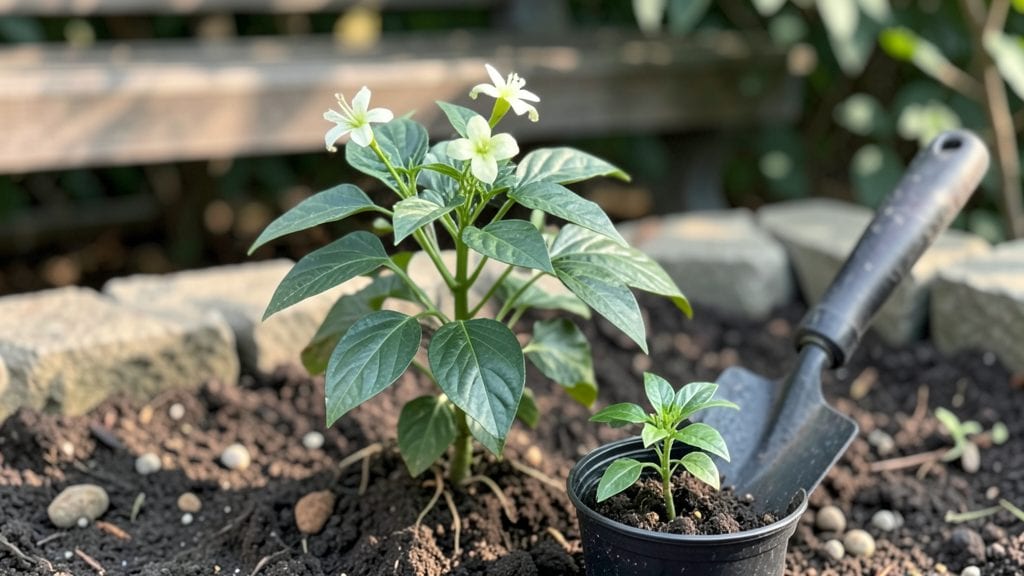
Planting habanero peppers from seed unlocks a fiery harvest in just 90 days—if you nail the warm soil, bright light, and consistent moisture. 🌱 I’ve grown them for years, and the key isn’t just patience; it’s creating the exact conditions they crave from day one.
Most beginners overlook how sensitive these seeds are to temperature swings, which is why so many fail to germinate.
The right setup starts with a well-draining potting mix (never garden soil) and a heat mat to keep soil between 80-90°F—that’s the magic window for germination. Use small pots or seed trays with drainage holes, and place them under grow lights or in the sunniest window you have.
Habaneros need 12+ hours of light daily, and without it, they’ll stretch weak and leggy before you even see fruit.
By week 6, you’ll have sturdy seedlings ready for transplanting, provided nighttime temps stay above 55°F. Space them 18-24 inches apart in full sun, and watch as those first blossoms appear in 8-10 weeks.
The heat reward? Thousands of tiny, blistering peppers that’ll make your neighbors question your sanity—and your salsa.
Here’s the thing—habaneros forgive early mistakes but not neglect. Too much water? Root rot. Too little? Blossom drop. The secret is consistent moisture (not soggy soil) and a balanced fertilizer once flowers appear. Let’s get those seeds started right.
📚 In This Guide
- What you need
- Instructions
- Tips and common mistakes
- Wrapping up and next steps
What you need
- ● Habanero seeds: 10–20 seeds (choose a variety like 'Carolina Reaper,' 'Red Savina,' or 'Orange Habanero' for bold flavors).
- ● Seed-starting mix: 2–3 cups of sterile, well-draining potting soil (avoid garden soil—it’s too dense!).
- ● Seed trays or small pots: 2–4 biodegradable or plastic pots (3–4 inches in diameter) with drainage holes.
- ● Grow lights or sunny windowsill: A full-spectrum LED grow light (12–16 hours/day) or a south-facing window with 6+ hours of sunlight.
- ● Watering can or spray bottle: With a fine mist setting to avoid disturbing seeds.
- ● Plant labels: 10–20 small labels (to track varieties and planting dates).
- ● Fertilizer: A balanced water-soluble fertilizer (5-5-5 or 10-10-10) or organic options like fish emulsion.
- ● Transplanting tools: Small hand trowel or spoon
- ● Biodegradable pots or peat pellets (for transplanting)
- ● Garden bed or containers: For in-ground: A sunny spot (6–8 hours of sunlight) with loose, well-draining soil (pH 6.0–7.0).
- ● For containers: 5-gallon pots or larger (habaneros need space—12+ inches deep!).
- ● Mulch: Straw or shredded leaves (1–2 inches) to retain moisture and regulate soil temp.
- ● Heat mat: For germinating seeds faster (70–80°F is ideal!).
- ● Pruning shears: For trimming leggy plants or removing suckers.
- ● Support stakes or cages: If your habanero variety grows tall (e.g., 'Chocolate Habanero').
- ● Pest control: Neem oil or insecticidal soap (for aphids or spider mites)
- ● Row covers (early season, to deter pests)
- ● Glove: A thick gardening glove—habaneros pack a punch, and handling them can irritate skin!
Step-by-step instructions for growing habanero peppers from seed
Here’s how to cultivate fiery habanero plants that deliver serious heat—without the guesswork.
🌱 Step 1: Start Seeds Indoors with Warmth and Moisture
Fill 2-inch deep seed-starting trays with moistened seed-starting mix, pressing lightly to remove air pockets. Habanero seeds need warmth to germinate—place trays on a seedling heat mat set to 80-85°F. Sow seeds ¼ inch deep, spacing them ½ inch apart in each cell. Cover with a humidity dome or plastic wrap to retain moisture.
Keep the mix consistently damp (not soggy) until germination, which typically occurs in 10-20 days. Avoid overwatering—excess moisture causes damping-off, a fungal disease that kills seedlings overnight. Once sprouts appear, remove the dome immediately to prevent mold.
☀️ Step 2: Provide Bright Light and Prevent Leggy Growth
Habanero seedlings need 14-16 hours of light daily from the moment they sprout. A south-facing window rarely provides enough intensity, so supplement with a grow light positioned 2-3 inches above the plants. Raise the light as seedlings grow to maintain that distance.
Leggy seedlings (thin, stretched stems) signal insufficient light. If you notice this, lower the light immediately and rotate the tray daily so plants grow straight. Strong seedlings have thick stems and dark green leaves spaced 1 inch apart. Avoid cold drafts—habaneros hate temperature drops below 60°F.
🪴 Step 3: Transplant Seedlings When True Leaves Appear
Once seedlings develop 4-6 true leaves (not just cotyledons), transplant them into 4-inch pots filled with well-draining potting mix. Handle seedlings by their leaves, never the stems, to avoid damage. Plant each seedling 1 inch deep, firming soil gently around the base to eliminate air gaps.
Water thoroughly after transplanting, letting excess moisture drain away. Place pots in a warm, sunny spot (or under grow lights) and avoid fertilizing for 1-2 weeks to reduce transplant shock. Habaneros grow fast—expect 12-inch-tall plants in 6-8 weeks.
✂️ Step 4: Harden Off and Plant Outdoors After Frost
Two weeks before your last frost date, begin hardening off seedlings by placing them outdoors in a sheltered spot for 1-2 hours daily. Gradually increase exposure over 10-14 days, ending with full sun. Choose a planting site with full sun (6+ hours daily) and well-draining soil—habaneros wilt in soggy conditions.
Transplant seedlings 18-24 inches apart in rows 2 feet apart to allow airflow and prevent disease. Bury stems slightly deeper than in pots to encourage root growth. Water deeply at planting and mulch with 1-2 inches of organic mulch to retain moisture and suppress weeds.
💧 Step 5: Maintain Consistent Water and Fertility
Water habanero plants at the base 1 inch per week, letting soil dry slightly between waterings. Overwatering dilutes heat and causes blossom-end rot. Feed plants every 2-3 weeks with a balanced fertilizer (10-10-10) until flowers appear, then switch to a low-nitrogen, high-phosphorus formula (5-10-10) to boost fruiting.
Prune suckers (shoots in leaf axils) to direct energy to peppers, but avoid heavy pruning—habaneros produce fruit on current growth. Harvest peppers when they reach 2-3 inches long for maximum heat. Wear gloves—habanero skin contains capsaicin, which irritates sensitive skin.
Tips & tricks for growing habanero peppers from seed
Growing habanero peppers from seed is a rewarding challenge—here's what I've learned to ensure strong, productive plants that deliver serious heat.
The Heat Factor: That 80-85°F heat mat temperature is non-negotiable for germination. I've tried using regular heating pads and they just don't provide consistent enough warmth. If you don't have a heat mat, place your seed trays on top of your refrigerator (not inside) for similar warmth. The seeds need this precise temperature range to break dormancy—any cooler and they'll sit there for weeks.
Lighting Strategy: The 14-16 hours of light daily requirement is where most beginners struggle. I recommend using a full-spectrum LED grow light on a timer rather than relying on natural light alone. Position it 2-3 inches above the seedlings and adjust as they grow. Watch for those telltale signs of legginess—if stems start stretching toward the light, you're not providing enough intensity. Rotate your trays daily so plants grow straight rather than leaning.
Transplanting Wisdom: When you're ready to transplant those 4-6 true leaf seedlings into 4-inch pots, here's the trick: make the hole for each seedling just slightly larger than the root ball. Gently press the soil around the base to eliminate air pockets—this prevents transplant shock. I've found that adding a handful of perlite to the potting mix improves drainage, which is crucial since habaneros hate soggy conditions. Remember, these plants grow fast—you'll have 12-inch-tall plants in just 6-8 weeks, so don't delay this step.
Harden Off Gradually: The 1-2 hours daily hardening off period is your plants' transition to outdoor life. Start with just an hour on that first day, then increase by 30 minutes each subsequent day. I place my seedlings in a sheltered spot like under a patio cover where they get dappled sunlight. This gradual approach prevents shock that could stunt their growth. After 10-14 days of this routine, your plants will be ready for full sun exposure.
Pro Tips for Habanero Pepper Planting
- Growing habanero peppers from seed is a rewarding challenge—here's what I've learned to ensure strong, productive pla...
- The Heat Factor: That 80-85°F heat mat temperature is non-negotiable for germination. I've tried using regular heatin...
- Lighting Strategy: The 14-16 hours of light daily requirement is where most beginners struggle. I recommend using a f...
Frequently asked questions
Got questions about growing your own fiery habanero peppers? You're not alone! Here are some of the most common queries—plus quick, spice-ready answers to help you grow like a pro.
How soon can I plant habanero seeds after buying them?
Habanero seeds thrive best when started indoors 8–10 weeks before your last frost date. If you’re in a warm climate (zones 9–11), you can direct-sow seeds outdoors after soil temps hit 70°F+. Cold soil? Wait until nighttime temps stay above 55°F to avoid seed rot. Patience pays off—rushing can stunt growth!
Why do my habanero seedlings look leggy or weak?
Leggy seedlings usually mean too little light. Move them within 2–3 inches of a grow light (14–16 hours/day) or to a south-facing window. Overcrowding or cool temps (below 65°F) can also slow growth. Pro tip: Pinch the top set of leaves to encourage bushier growth, and use a balanced fertilizer (like 10-10-10) once true leaves appear.
Can I grow habaneros in containers, and what size pot do I need?
Habaneros love containers—just use pots at least 12 inches deep and wide (bigger is better for multiple plants). Ensure pots have drainage holes and use a well-draining mix (like 60% potting soil + 40% perlite). Bonus: Containers let you move plants to sunny spots or protect them from late frosts. Just avoid plastic pots—they overheat in summer!
What pests should I watch for, and how do I stop them?
Habaneros attract aphids, spider mites, and pepper maggots. For aphids, blast them off with water or use neem oil. Spider mites? Increase humidity (they hate it!) and spray with insecticidal soap. Prevent maggots by covering soil with mulch and avoiding overwatering. Rotate crops yearly to break pest cycles—your peppers will thank you!
Can I grow habaneros from store-bought peppers instead of seeds?
Yes, but only if the pepper is organic (non-organic seeds may be treated to prevent germination). Save seeds from ripe habaneros, dry them on a paper towel for 3–5 days, then store in a cool, dark place. Warning: Store-bought seeds might not be true to the parent plant’s heat level—start with named varieties for consistent spice!
Wrapping up and next steps
Growing your own habanero peppers is a rewarding journey that brings bold flavors and fiery excitement to your kitchen—all in just 90 days! 🌶️ Whether you're a seasoned gardener or a curious beginner, these fiery plants thrive with the right care, patience, and a dash of passion.
Now that you’re armed with the best practices for planting, nurturing, and harvesting, it’s time to get your hands dirty and watch your spicy dreams take root.
Ready to take the next step? Start by selecting your seeds or seedlings this week, and soon you’ll be enjoying the fruits of your labor—literally! Share your progress with fellow spice lovers or experiment with recipes to turn your habanero harvest into something extraordinary. Happy growing! 🌱✨