
Companion Plants
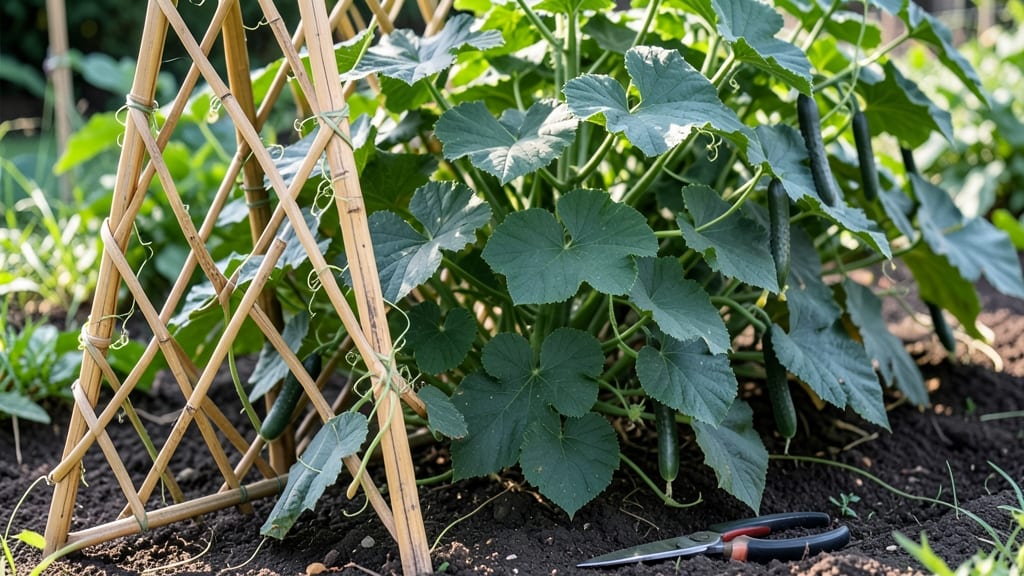
Growing gynoecious cucumbers means skipping the bitter male flowers and going straight to the fruit. 🌱 I remember my first harvest with these plants—the vines were loaded with cucumbers within weeks, while my neighbor's regular cucumbers struggled with half-blooms that never set fruit.
The secret? These plants produce mostly female flowers from day one, so you waste no time or energy on useless blossoms.
You'll need well-draining soil rich in compost, consistent moisture, and a sturdy trellis or cage—these vines get heavy with fruit. Spacing matters too: give each plant 2-3 feet of room, or you'll end up with crowded vines competing for sunlight.
The payoff comes when you see those first female flowers appear, each one a promise of a cucumber to come.
Once established, these plants reward you with a steady harvest for weeks. The cucumbers stay crisp and uniform, perfect for slicing or pickling, and you won't waste time pruning off male flowers. Just keep the soil moist, watch for pests, and enjoy the nonstop production—this is how cucumbers should grow.
Works in containers too, making them ideal for small spaces or balconies. The key is patience in the early weeks while the vines establish, but trust me, the harvest makes it worth every minute. Here's how to get started without the usual frustrations.
📚 In This Guide
- What you need
- Instructions
- Tips and common mistakes
- Wrapping up and next steps
What you need
- ● Gynoecious cucumber seeds – Choose varieties like 'Sweet Success', 'Straight Eight', or 'Diva' (1–2 seed packets for a small garden, 3–5 for larger plots).
- ● Potting mix or garden soil – Well-draining, fertile mix (1–2 bags for containers, enrich garden beds with compost).
- ● Containers or garden space – 5–7 gallon pots (for containers) or a sunny, trellis-ready garden bed (6–12 inches deep).
- ● Trellis or stakes – 6–8 ft tall (for vining varieties) to save space and improve airflow.
- ● Watering can or hose with a gentle nozzle – Keep soil consistently moist but not soggy.
- ● Fertilizer – Balanced organic (10-10-10) or compost tea (apply at planting and every 2–3 weeks).
- ● Pruning shears – Sharp, clean pair for trimming excess foliage or male flowers (if any appear).
- ○ Gloves (optional) – Protect your hands from prickly vines or soil.
- ● Row covers or shade cloth – Protect young plants from pests or harsh sun.
- ● Companion plants – Marigolds, nasturtiums, or radishes to deter pests.
- ● pH test kit – Ideal soil pH for cucumbers: 6.0–6.8.
- ● Plant labels – Mark varieties if growing multiple types.
- ● Harvest basket or scissors – For easy, clean picking!
Step-by-step guide to growing gynoecious cucumber plants
Here's how to coax the most fruit from your cucumber vines by focusing on female flowers.
🌱 Step 1: Select the Right Variety and Planting Site
Gynoecious cucumbers are bred to produce mostly female flowers, which means more fruit with less effort. Start with a reliable variety like 'Sweet Success' or 'Diva'—these consistently deliver high yields. Choose a spot with full sun exposure (6-8 hours daily) and well-draining soil, as cucumbers hate soggy roots.
I always test soil drainage first by digging a hole, filling it with water, and checking how long it takes to drain. If water pools after an hour, amend the soil with compost or sand to improve drainage. Gynoecious plants need consistent moisture but won’t tolerate waterlogged conditions.
☀️ Step 2: Plant at the Correct Time and Depth
Wait until the soil temperature reaches at least 60°F before planting, as cold soil slows germination and weakens young plants. Plant seeds 1 inch deep and 2-3 feet apart in rows spaced 4-6 feet apart to allow for proper air circulation and vine growth.
If you're transplanting seedlings, bury them slightly deeper than they grew in their pots—this encourages stronger root development. Water immediately after planting to settle the soil and remove any air pockets around the roots. Keep the soil consistently moist but not waterlogged during the first two weeks.
💧 Step 3: Maintain Consistent Watering and Fertilization
Cucumbers need 1-2 inches of water per week, delivered consistently at the base of the plant. I water early in the morning to reduce evaporation and fungal risks. Use a soaker hose or drip irrigation to keep foliage dry, which prevents powdery mildew—a common issue with cucumbers.
Fertilize every 2-3 weeks with a balanced, water-soluble fertilizer (like 10-10-10) once the plants start vining. Avoid high-nitrogen fertilizers, which promote leafy growth at the expense of fruit production. You'll know you're on track when vines grow 6-12 inches per week and leaves stay deep green.
✂️ Step 4: Prune and Train Vines for Optimal Growth
Gynoecious cucumbers produce female flowers early, but you’ll need to prune aggressively to maximize fruit size and quality. Remove any male flowers (they look like tiny buds without bulges) to redirect the plant’s energy into female flowers. Female flowers have a small cucumber at their base—keep these.
Train vines along a trellis or fence to improve air circulation and reduce disease risk. Prune side shoots that grow below the main stem, leaving only the strongest vines to climb. You’ll see the most success when vines are spread evenly across the trellis and fruit hangs freely rather than dragging on the ground.
🌿 Step 5: Harvest Regularly to Encourage More Production
Harvest cucumbers when they reach 6-8 inches long, depending on the variety. I check plants every 2-3 days to avoid overripe fruit, which can reduce future yields. Use pruning shears or a sharp knife to cut stems cleanly, leaving a small portion of the stem attached to the plant.
Regular harvesting tricks the plant into producing more female flowers. If you notice fewer flowers or smaller fruit, increase sunlight exposure or reduce watering slightly—overwatering can stress the plant and lead to blossom-end rot. With consistent care, a single gynoecious plant can yield 15-20 cucumbers per season.
Tips & tricks for growing gynoecious cucumber plants
Here's what I've learned after growing these high-yielding cucumbers for years—small tweaks that make a huge difference in your harvest.
Soil Temperature Secret: That 60°F soil temperature isn't just a starting point—it's your golden number. I've found that planting when soil reaches 65°F or higher gives seedlings a stronger start, especially in cooler climates. Use a soil thermometer to check morning temps for accuracy. Cold soil slows root development, which can delay your first female flowers by weeks.
Watering Wisdom: The 1-2 inches per week guideline works best when delivered consistently at the base, not overhead. I set up a simple drip irrigation system that delivers water slowly in the morning—this keeps foliage dry and prevents powdery mildew, which can devastate your female flowers. If you water late in the day, the leaves stay wet overnight, creating perfect conditions for fungal growth.
Pruning Strategy: When training vines in Step 4, focus on creating a "fan" shape across your trellis rather than letting them grow straight up. This exposes more fruit to sunlight and improves air circulation. I tie vines every 12 inches as they grow, using soft plant ties that won't damage the stems. The goal is to spread those female flowers out so they get maximum sunlight for bigger cucumbers.
Harvest Timing: Those 2-3 day checks between harvests are crucial—don't skip them! I've learned that overripe cucumbers on the vine signal the plant to stop producing female flowers. Use a small notebook to track when you harvest from each plant. If you notice fewer flowers appearing after a harvest, it might be time to give that plant a little more sunlight or reduce watering slightly to stress it just enough to trigger more blooms.
Pro Tips for Gynoecious Cucumber Plants
- Here's what I've learned after growing these high-yielding cucumbers for years—small tweaks that make a huge difference in your harvest.
- Soil Temperature Secret: That 60°F soil temperature isn't just a starting point—it's your golden number.
- Watering Wisdom: The 1-2 inches per week guideline works best when delivered consistently at the base, not overhead.
Frequently asked questions
Got questions about gynoecious cucumber plants?
You’re not alone! Here are answers to the most common ones to help you grow like a pro.
What’s the difference between gynoecious and monoecious cucumbers?
Gynoecious cucumbers produce only female flowers (with tiny cucumbers at the base), while monoecious varieties have both male and female flowers. Gynoecious plants start bearing fruit earlier and more consistently, making them ideal for high-yield gardens. Think of them as the "all-in-one" powerhouse for cucumber lovers!
How long does it take for gynoecious cucumbers to produce fruit?
With proper care, gynoecious cucumbers can start flowering in 4–6 weeks after planting and produce fruit in 50–60 days. Warm soil (70°F+) and consistent moisture speed up the process. Patience pays off—you’ll soon be harvesting those crisp, juicy cucumbers!
Can I grow gynoecious cucumbers from seed, or do I need to buy seedlings?
You can grow them from seed, but it’s trickier because gynoecious traits (female flowers) are recessive. For reliability, buy certified gynoecious seeds or seedlings from reputable nurseries. If starting from seed, look for hybrid varieties labeled "gynoecious" or "all-female."
Why aren’t my gynoecious cucumbers producing fruit—what am I missing?
Common culprits: lack of pollination (hand-pollinate if bees are scarce), temperature stress (keep soil warm), or nutrient deficiencies (add compost or balanced fertilizer). Also, check for pests like cucumber beetles or powdery mildew. If flowers drop without fruiting, it’s often a sign of poor pollination or environmental stress.
Are gynoecious cucumbers better for small spaces or containers?
Gynoecious varieties are perfect for containers because they focus energy on fruit production, not wasted male flowers. Choose compact bush types (like ‘Diva’ or ‘Sweet Success’) and pair with trellises to save space. Just ensure pots are at least 5 gallons and provide good drainage.
Wrapping up and next steps
Growing gynoecious cucumber plants is a game-changer for gardeners eager to boost their harvests with minimal effort! 🌱 These female-dominant varieties ensure more fruit production and fewer wasted blooms, making them perfect for both beginners and seasoned growers. Whether you’re expanding your garden or optimizing space, this approach pays off—literally.
Ready to take the next step? Start by selecting your favorite gynoecious variety, gather your supplies, and dive in! With a little patience and care, you’ll soon be enjoying a bountiful, delicious cucumber harvest. Happy gardening! 🌟