
Propagation
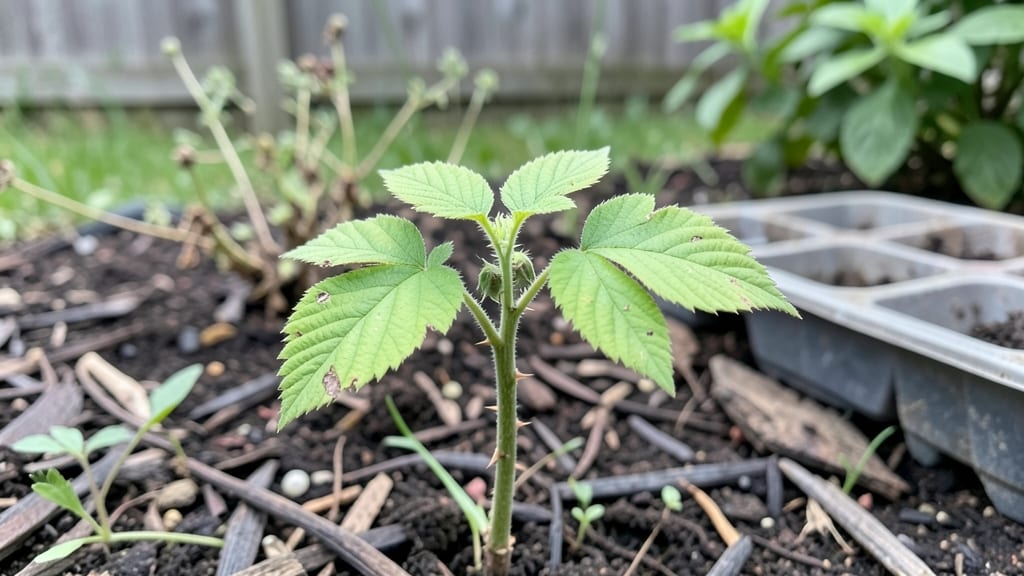
Growing raspberry plants from seeds is a rewarding challenge that turns tiny specks into thorny bushes loaded with fruit—if you're willing to wait. 🌱 I've learned the hard way that these seeds need heat, time, and just the right touch to break their dormancy, but the payoff of homegrown berries makes every step worth it.
The biggest hurdle is germination, which can take 6-12 weeks with the right conditions—warmth, moisture, and patience. You'll need a heat mat, clear plastic wrap, and a bright windowsill or grow light to coax those first green shoots.
Most beginners give up too soon, but sticking with it leads to sturdy seedlings ready for transplanting in spring.
By the time summer rolls around, you'll have young raspberry plants with real potential—though they won't fruit for 2-3 years. The thrill comes from watching them grow into strong canes, their leaves unfurling with that classic raspberry shape.
This method is perfect for anyone who loves the idea of growing something from scratch.
Works best in zones 5-9, but the indoor-starting technique adapts to cooler climates. The key is consistency—don't let the soil dry out or get too cold. Here's how to make it happen without losing hope along the way.
📚 In This Guide
- What you need
- Instructions
- Tips and common mistakes
- Wrapping up and next steps
What you need
- ● Ready to kickstart your raspberry adventure? 🌱 Here’s everything you’ll need to grow those sweet, juicy berries from seeds—no fancy tools required, just patience and the right supplies!
- ● Pro tip: 🌡️ If you’re impatient like us, a seedling heat mat can cut germination time from 4–6 weeks to just 2–3 weeks! But even without one, keep your seeds warm and moist—patience pays off.
How to grow raspberry plants from seeds: a patience-based approach
Here's how I turn raspberry seeds into strong plants—it takes time, but the results are worth it.
🌱 Step 1: Stratify Seeds for Germination
Raspberry seeds need cold stratification to break dormancy. Place the seeds in a ziplock bag with a damp paper towel, then refrigerate for 8-12 weeks. Check weekly—the paper towel should stay moist but not soggy. This mimics winter conditions and tricks seeds into sprouting.
Real talk: If you skip this step, seeds may never germinate. I’ve tried planting them fresh, and nothing happens. The cold period is non-negotiable. After 8 weeks, remove the bag and let it sit at room temperature for 2-3 days before planting.
💧 Step 2: Plant Stratified Seeds in Moist Mix
Fill a 4-inch pot with sterile seed-starting mix (not garden soil) and moisten it until damp but not dripping. Raspberry seeds are tiny—plant them ¼ inch deep, spacing them 1 inch apart. A toothpick helps place them precisely without burying too deep.
Cover the pot with plastic wrap to retain humidity, then place it in a warm spot (70-75°F). A seedling heat mat speeds germination, but a sunny windowsill works too. Germination takes 4-8 weeks—longer than most seeds, so don’t give up if nothing appears in 3 weeks.
☀️ Step 3: Provide Light and Care for Seedlings
Once sprouts emerge, remove the plastic wrap immediately to prevent damping-off. Place seedlings under grow lights for 14-16 hours daily—raspberries need strong light to avoid leggy growth. You’ll see weak, stretched stems if light is insufficient.
Water gently from the bottom to avoid disturbing roots. Keep the soil evenly moist but never soggy. After 4-6 weeks, when seedlings have 2-3 true leaves, transplant them into 6-inch pots with fresh mix. This prevents root binding and encourages stronger growth.
⏰ Step 4: Harden Off and Transplant
Two weeks before your last frost date, start hardening off seedlings by placing them outside in partial shade for 1-2 hours daily. Gradually increase exposure over 10-14 days until they tolerate full sun. Raspberries are cold-hardy but need acclimation.
Transplant to the garden in early spring when soil reaches 50°F. Space plants 3-4 feet apart in full sun with well-draining soil. Mulch with 2 inches of organic mulch to retain moisture and suppress weeds. First-year plants focus on root growth, so avoid heavy pruning.
🌿 Step 5: Support and Prune for Fruit Production
Raspberries need strong support—install trellises or stakes as plants grow. Canes can reach 6 feet tall, and unsupported plants flop. Prune in late winter, removing dead or weak canes down to the ground. Keep 4-6 of the strongest canes for fruiting.
Here’s the thing—raspberries from seed take 2-3 years to produce fruit. Patience is key. In the meantime, focus on watering deeply once weekly and fertilizing with balanced fertilizer in early spring. You’ll see berries eventually, but the journey is half the reward.
Tips & tricks for growing raspberry plants from seeds
Growing raspberries from seeds is a marathon, not a sprint—but these tricks will help you cross the finish line with strong, healthy plants.
The Cold Stratification Secret: That 8-12 week cold period in Step 1 isn't just a suggestion—it's the difference between success and failure. I once skipped this step with raspberry seeds and waited six months for nothing. Keep the paper towel consistently moist (not dripping) by misting it weekly. If it dries out during the cold period, you'll have to start over. The goal is to simulate winter conditions that break seed dormancy, so don't rush this critical step.
Lighting Strategy for Healthy Seedlings: In Step 3, those 14-16 hours of grow light aren't optional—they're essential for preventing leggy seedlings. I've seen raspberry seedlings stretch to 6 inches tall when they only get 10 hours of light! Position your lights 2-3 inches above the seedlings and adjust as they grow. If you notice stems elongating with small leaves, immediately increase light exposure. The goal is strong, compact seedlings that can support themselves.
Transplanting Timing Tip: When you're ready to transplant in Step 4, wait until soil reaches exactly 50°F—no warmer. I've made the mistake of transplanting too early when soil was still cool, and the seedlings struggled to establish roots. Use a soil thermometer if you're unsure. Also, harden off seedlings gradually over 10-14 days by increasing their outdoor time incrementally. This prevents shock and helps them adapt to full sun conditions.
Pruning Shortcut: In Step 5, when pruning established plants, focus on removing canes that are thinner than a pencil—they won't produce good fruit. I keep a pair of sharp pruners dedicated just to raspberries and sterilize them with rubbing alcohol between cuts. This prevents disease spread. Remember, raspberries produce fruit on second-year canes, so be patient with your pruning—you're shaping the plant's future harvest.
Pro Tips for Growing Raspberry Plants From Seeds
- Growing raspberries from seeds is a marathon, not a sprint—but these tricks will help you cross the finish line with strong, healthy plants.
- The Cold Stratification Secret: That 8-12 week cold period in Step 1 isn't just a suggestion—it's the difference between success and failure.
- Lighting Strategy for Healthy Seedlings: In Step 3, those 14-16 hours of grow light aren't optional—they're essential for preventing leggy seedlings.
Frequently asked questions
Got questions about growing raspberry plants from seeds? Here are some common concerns—answered simply so you can get started with confidence!
How long does it take for raspberry seeds to germinate?
Raspberry seeds are slow to germinate—typically 30–90 days, sometimes even longer! To speed things up, keep seeds warm (70–85°F) and moist in a damp paper towel or seed-starting mix. Patience is key!
Can I grow raspberries from grocery store seeds?
Yes, but there’s a catch! Many grocery store seeds are hybrid or low-yield varieties not ideal for large harvests. For the best results, opt for heirloom or certified raspberry seeds from specialty nurseries or seed catalogs. Quality matters!
Do I need to stratify raspberry seeds before planting?
Stratification (cold treatment) isn’t always required, but it can help! If your seeds are fresh, skip it. For older seeds, place them in the fridge for 2–4 weeks in a damp paper towel to mimic winter conditions. This boosts germination rates!
Why aren’t my raspberry seeds sprouting?
If seeds aren’t sprouting, check these common issues:
- Too cold—seeds need warmth (70°F+). Use a heat mat or sunny windowsill.
- Dry soil—keep the mix consistently moist but not soggy.
- Old seeds—seeds lose viability over time. Test freshness with a damp paper towel test.
- Light requirements—raspberries need indirect light after germination.
Is it easier to grow raspberries from cuttings or seeds?
For most gardeners, cuttings are easier—they establish faster (4–6 weeks) and produce fruit sooner. Seeds take 1–2 years to mature. However, seeds offer more genetic diversity and are great for experimenting!
Wrapping up and next steps
Growing raspberry plants from seeds is a rewarding journey that blends patience with the joy of nurturing life from scratch! 🌱 While the slow germination process may test your resolve, the sweet taste of success—watchful growth, lush canes, and eventually, juicy berries—makes every effort worthwhile. Remember: consistency with warmth, moisture, and light is your secret weapon.
Now that you’re armed with knowledge, take the next step—plant those seeds and let nature work its magic. Share your progress with fellow gardening enthusiasts, and soon, you’ll be harvesting homegrown raspberries that taste like summer! 🍓