
Landscaping
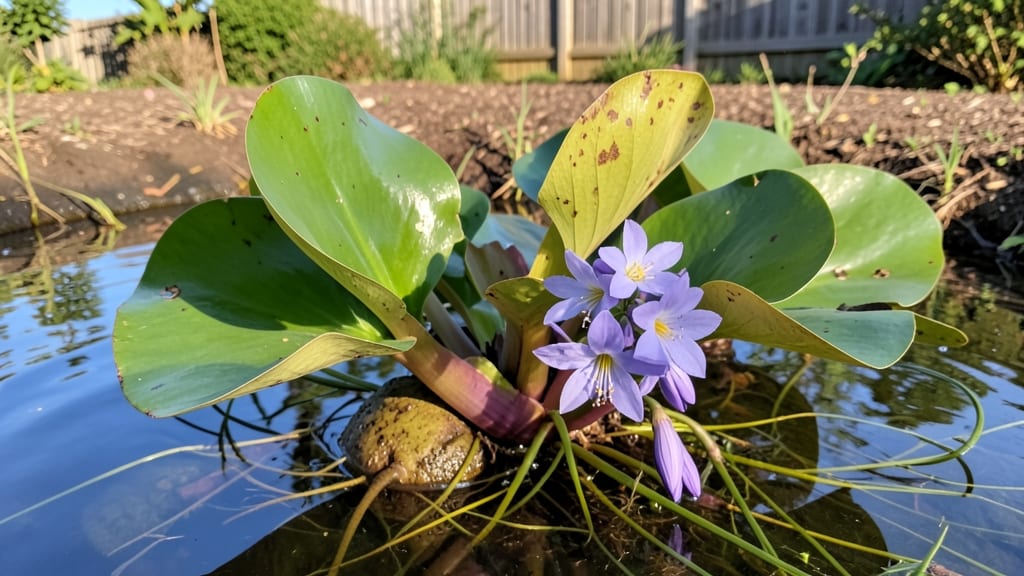
Growing pond plants taught me the hard way that water depth matters—my first lilies drowned in 30 inches while cattails wilted in just 6. The difference between a thriving aquatic garden and a sad, half-drowned mess comes down to matching the right plants to their perfect underwater homes.
Start with three easy varieties: hardy water lilies for shade, lotus for drama, and marginal plants like sweet flag along the edges. You’ll need a pond liner, rocks for anchoring, and a simple water pump if you want fountains later.
Most beginners overcomplicate this—stick to these basics first, and you’ll avoid the heartbreak of plants floating away or rotting.
Within weeks, you’ll see velvety lily pads floating like nature’s umbrellas, lotus buds unfurling into jewel-toned blooms, and cattails swaying at the water’s edge. The best part? These plants clean the water naturally, cutting down on algae and keeping your pond crystal clear.
Just don’t skip the seasonal trim—it’s the secret to keeping them lush year after year.
Works for any pond size, from a 50-gallon container to a backyard oasis. The key is patience—some plants take a full season to really take hold, but once they do, you’ll never want to go back to store-bought bouquets. Let’s get those roots in the water!
📚 In This Guide
- What you need
- Instructions
- Tips and common mistakes
- Wrapping up and next steps
What you need
- ● Pond plants: Choose a mix of submerged (e.g., Anacharis, Hornwort), floating (e.g., Water Hyacinth, Duckweed), and marginal plants (e.g., Cattails, Water Lilies). Start with 3-5 varieties for diversity.
- ● Pond liner: EPDM rubber or PVC (size depends on pond depth/width; typically 45 mil thickness for durability).
- ● Gravel or sand: 1-2 inches of 1/4-inch washed gravel for drainage and root support.
- ● Pond pump and filter: Sizes vary—check your pond’s volume (e.g., 500-1,000 GPH for small ponds).
- ● Water: 10+ gallons per square foot of pond surface (or enough to fill your design).
- ● Basic tools: Shovel or spade
- ● Rake (for smoothing liner)
- ● Measuring tape
- ● Garden gloves
- ● Fertilizer: Slow-release aquatic tabs or liquid fertilizer (low phosphorus for water safety).
- ● UV clarifier: Keeps water clear by preventing algae blooms.
- ● Decorative rocks/wood: Adds natural aesthetics and shelter for plants.
- ● Pond thermometer: Monitors water temperature for plant health.
- ● Barley straw: Natural algae inhibitor (place in a mesh bag).
Step-by-Step guide to establishing a lush pond plant collection
Here’s how I create thriving aquatic gardens that stay vibrant year-round.
Select and Prepare Planting Containers
Choose containers based on plant types—floating plants need nothing but water, while rooted plants require 6-12 inch deep containers with drainage holes covered by mesh. I use plastic baskets with coconut fiber for oxygen-loving plants like water lilies, as they prevent root rot while allowing water circulation. For marginal plants, shallow ceramic pots work best—they anchor firmly in 2-3 inches of soil at the pond’s edge.
Fill containers with 2-3 inches of aquatic soil mix (never regular garden soil—it compacts and suffocates roots). Pre-moisten the mix until it feels like a damp sponge, not dripping. This ensures roots establish quickly without shock. If planting oxygenators like hornwort, skip soil entirely and let them grow freely in the water column.
Plant According to Growth Zones
Divide your pond into zones: deep water for submerged plants, mid-depth for floating varieties, and shallow edges for marginal plants. Place submerged plants like anacharis or vallisneria in their containers at 18-36 inches deep, where they’ll thrive without reaching for light. Floating plants like water hyacinth or duckweed can be added directly to the surface—they’ll spread naturally.
Marginal plants like sweet flag or cattails go in 2-4 inches of water at the pond’s edge. Press the soil mix firmly around roots to eliminate air pockets, then submerge the container completely. If using bare-root plants, trim any damaged roots with clean scissors before planting. The key is keeping roots moist but not waterlogged until new growth appears.
Maintain Water Quality and Light
Pond plants need 6-8 hours of sunlight daily, but avoid direct midday sun for tropical varieties like water lettuce—they’ll scorch. I position mine in partial shade during summer afternoons. Test water hardness monthly; most aquatic plants prefer pH 6.5-7.5 and moderate hardness. If your pond water is too alkaline, add 1 tablespoon of sulfur per 100 gallons to adjust gradually.
Fertilize submerged plants lightly with aquatic plant tabs every 4-6 weeks during growing season. Floating plants rarely need extra nutrients—they absorb what they need from the water. Watch for algae blooms; if they appear, add barley straw (it releases compounds that inhibit algae growth naturally). Healthy plants crowd out algae by competing for nutrients.
Prune and Divide for Seasonal Health
In early spring, trim back any dead foliage from marginal plants with clean, sharp shears. For water lilies, cut back 1/3 of the oldest leaves to encourage new growth. Floating plants like water hyacinth should be thinned if they overcrowd—remove 20% of the thickest growth to prevent oxygen depletion in the water. Divide rooted plants every 2-3 years by separating clumps and replanting sections in fresh soil.
Winter care depends on your climate. In colder zones, bring tender plants like water lettuce indoors to a cool, dim room until spring. Hardy plants like cattails will die back naturally—simply trim dead foliage in early spring and let new shoots emerge. The goal is to keep the pond ecosystem balanced; overpruning disrupts the natural cycle and invites algae to take over.
Tips & tricks for perfect pond plant growth
Creating a thriving aquatic garden takes more than just tossing plants into water—here's what I've learned to keep mine lush and healthy year after year.
Container Selection Matters: In Step 1, when choosing containers for rooted plants, prioritize materials that allow water circulation while preventing soil loss. Plastic baskets with coconut fiber work wonders for oxygen-loving plants like water lilies because they maintain proper oxygen levels at the roots while preventing compaction. For marginal plants, shallow ceramic pots provide excellent stability in the pond's edge water, but make sure they're heavy enough to stay put during wind or fish activity.
Lighting Strategy: The 6-8 hours of sunlight mentioned in Step 3 is crucial, but don't assume all plants need full sun. Tropical varieties like water lettuce actually prefer partial shade during summer afternoons to prevent scorching. I place mine in areas where they get morning sun and afternoon shade—this balance prevents leaf burn while still providing enough light for photosynthesis. For deeper water plants, ensure they're positioned where light can penetrate to at least 18-36 inches depth.
Pruning Precision: When trimming back water lilies in Step 4, focus on removing only the oldest third of leaves rather than indiscriminate cutting. This encourages new growth while maintaining the plant's energy reserves. For floating plants like water hyacinth, thinning 20% of the thickest growth actually helps prevent oxygen depletion in the water—it might seem counterintuitive, but crowded plants can create dead zones where beneficial bacteria can't thrive.
Seasonal Transition Tips: In colder climates, bringing tender plants indoors for winter care requires more than just moving them to a cool room. I find that placing them under a simple grow light for 4-6 hours daily prevents them from becoming leggy and weak. For hardy plants that die back naturally, resist the urge to prune too aggressively in early spring—let the plant show you what needs removal by observing which stems have already produced new growth.
Pro Tips for Growing Pond Plants
- Creating a thriving aquatic garden takes more than just tossing plants into water—here's what I've learned to keep mine lush and healthy year after year.
- Container Selection Matters: In Step 1, when choosing containers for rooted plants, prioritize materials that allow water circulation while preventing soil loss.
- Lighting Strategy: The 6-8 hours of sunlight mentioned in Step 3 is crucial, but don't assume all plants need full sun.
Frequently asked questions
Got questions about growing pond plants? You’re not alone! Here are some common queries—answered simply to help your aquatic garden flourish.
What’s the best time of year to plant pond plants?
The ideal time depends on your climate! In warmer zones, spring or early fall is perfect—water’s mild, and plants establish roots before extreme heat or cold. In colder regions, wait until late spring after frost risk passes. Evergreens like water lilies can even thrive year-round in temperate areas!
How long does it take for pond plants to grow?
Growth speed varies by plant type! Floating plants like water hyacinths may spread in weeks, while submerged plants (e.g., hornwort) grow 1–2 inches per week. Marginal plants (like cattails) take 3–6 months to reach full size. Patience pays off—think of it as nurturing a slow-blooming masterpiece!
Can I grow pond plants indoors or in containers?
Many aquatic plants adapt well to containers or indoor setups with a few tweaks:
- Light: Use grow lights for 6–8 hours daily (like water lettuce or Amazon sword).
- Water: Filtered or dechlorinated water prevents stress.
- Size: Choose compact varieties (e.g., dwarf water lilies) for small spaces.
Just avoid overcrowding—root-bound plants struggle!
Will pond plants attract pests or fish?
Pond plants can repel pests like mosquitoes (thanks to their dense foliage) but may also attract fish—especially catfish or koi, which love grazing on algae-covered leaves. To balance it:
- Use hardy marginals (e.g., pickerelweed) that deter pests.
- Introduce beneficial fish (like goldfish) to control algae naturally.
- Avoid overfeeding plants—excess nutrients can cause algae blooms.
Pro tip: Rotate plants seasonally to disrupt pest life cycles!
What if my pond plants aren’t growing?
Don’t panic—troubleshoot with this quick checklist:
| Issue | Fix |
|---|---|
| No sunlight (<5 hours/day) | Move plants to a sunnier spot or use a floating plant for shade. |
| Overcrowding | Trim or repot plants to reduce competition for nutrients. |
| Poor water quality (cloudy, smelly) | Test pH (aim for 6.5–7.5) and add a water conditioner. |
| Cold shock (fall/winter) | Cover tender plants with netting or harvest them before frost. |
Most issues are fixable—just observe your plants like a detective!
Wrapping up and next steps
Growing pond plants is a rewarding way to create a vibrant, low-maintenance aquatic oasis that thrives year-round—whether you’re a beginner or a seasoned gardener! 🌿 From oxygenating oxygenweed to stunning water lilies, each plant plays a key role in balancing your pond’s ecosystem while adding natural beauty.
With the right selection, proper care, and a little patience, your pond will become a serene sanctuary teeming with life.
Ready to dive in? Start small—pick one or two plants to test the waters (literally!) and observe how they adapt. Before you know it, your pond will be the envy of the neighborhood. Happy planting! 🌊✨