
Vegetables
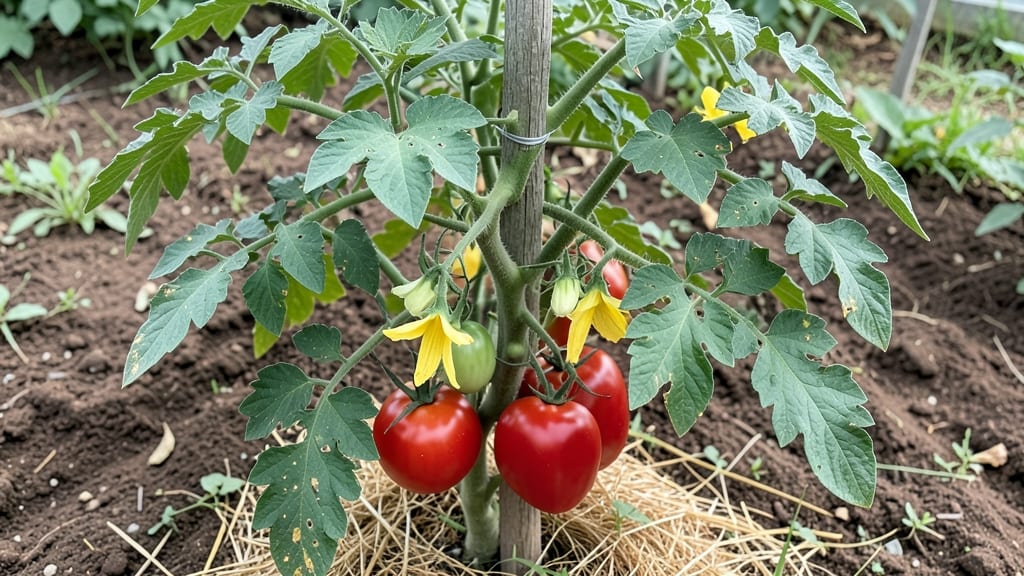
Growing giant tomatoes plants that produce 1-pound monsters 🍅 isn’t just possible—it’s your next backyard showstopper if you follow the right steps.
Imagine harvesting tomatoes so massive they weigh over a pound—juicy, flavorful, and a showstopper at every dinner table. With the right techniques, you can grow these colossal fruits right in your backyard, even if you're a beginner gardener.
These massive varieties need more than just good soil—they demand precision in watering, pruning, and support. Skip even one step, and you might end up with beautiful vines but tiny fruit, or worse, no tomatoes at all.
In this guide, I’ll walk you through everything from picking the best varieties for your zone to the exact pruning schedule that turns your plants into fruit-producing powerhouses.
Best giant tomato varieties for massive harvests
If you're dreaming of 1-pound tomatoes that steal the show at your dinner table, you need the right giant tomato varieties. These aren't your average garden tomatoes—they're bred for size, flavor, and productivity, often producing fruits that weigh 12-24 ounces each.
The key is selecting varieties that thrive in your climate zone while offering disease resistance and vigorous growth habits.
I’ve grown these top-performing giant varieties in my own garden, and they consistently deliver massive, flavorful tomatoes with minimal fuss. Whether you're in a hot southern climate or a cooler northern region, there’s a variety that will work for you.
Let’s dive into the best giant tomato varieties and what makes each one special.
The Big Beef variety is a hybrid favorite for good reason—it’s heat-tolerant and produces consistently large tomatoes that weigh between 12-16 ounces. I’ve grown it in Zone 7 with minimal disease issues, even during hot summers.
This indeterminate variety keeps producing until frost, making it perfect for extended harvests. Pair it with a strong trellis to support its heavy vines.
Brandywine is the heirloom dreamer’s pick, known for its sweet, pink flesh and massive fruits that can reach 24 ounces. However, it’s more susceptible to disease, so I recommend crop rotation and organic fungicides if you’re growing it in humid climates. This variety thrives in cooler regions like Zone 5-6, where it can ripen slowly for maximum flavor.
Cherokee Purple is another heirloom stunner, prized for its deep purple color and rich, smoky taste. The fruits are crack-resistant, which
Proven techniques to grow 1-Pound tomatoes every time
Growing 1-pound tomatoes requires more than just planting seeds—it’s about creating the perfect environment for your plants to thrive. The key lies in combining proper pruning, supportive trellising, and nutrient-rich soil while avoiding common pitfalls like blossom end rot.
I’ve grown giant tomatoes for years, and these techniques consistently deliver monster-sized fruits.
Start with heirloom varieties like Brandywine or Big Beef, which are bred for size and flavor. These plants need space to grow—at least 3 feet apart—so they can develop strong root systems and support heavy fruit loads.
The foundation of success begins with well-draining soil enriched with compost and a balanced organic fertilizer like 5-10-10.
Trellising is non-negotiable for giant tomatoes. Use a sturdy wooden stake or cage system that can support 10+ pounds of fruit per plant. As vines grow, gently tie them to the trellis with soft plant ties to prevent stem breakage.
This vertical growth also improves air circulation, reducing the risk of fungal diseases like early blight.
Watering is another critical factor—consistency is key. Deep water your plants every 2-3 days during dry spells, aiming for 1-2 inches of water per week. Avoid wetting the foliage to prevent disease, and always water in the morning so leaves dry quickly.
Mulch around the base with straw or wood chips to retain moisture and suppress weeds, which compete for nutrients.
Feed your plants with organic fertilizers every 4-6 weeks starting when flowers appear. A fish emulsion or compost tea provides essential nutrients without burning roots. For extra size, add a calcium supplement like crushed eggshells to prevent blossom end rot, a common issue that shrinks fruit.
Monitor your plants closely—yellowing leaves often signal a nitrogen deficiency, while brown spots may indicate calcium deficiency.
Harvest your 1-pound tomatoes when they’re fully colored and slightly soft to the touch. Use pruning shears to avoid damaging the stem, and pick regularly to encourage more production. With these techniques, you’ll be feasting on homegrown giants all season long—no greenhouse required!