
Companion Plants
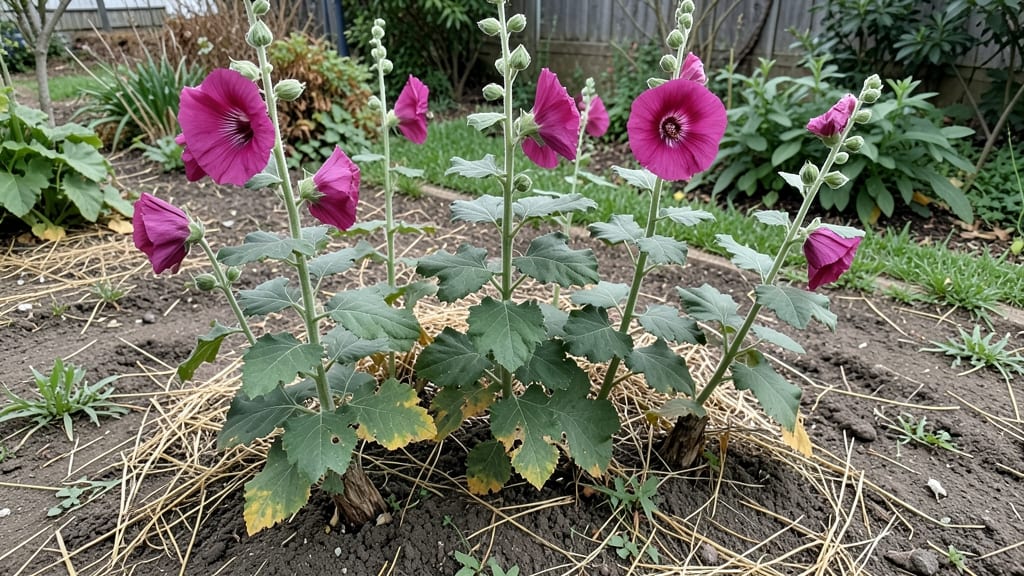
Growing giant hollyhock plants means welcoming six-foot floral sentinels that hummingbirds can't resist. 🌻 I planted my first batch last spring and was stunned by how quickly they shot up—like nature's own sunflowers, but with delicate petals that sway in the breeze.
The key isn't just the seeds; it's the right soil mix and a little patience to let those taproots establish before the real growth begins.
These giants thrive in full sun and well-draining soil, but they'll reward you with vibrant blooms for months if you give them space—think 3 feet apart for those towering varieties. I learned the hard way that crowding leads to floppy stems and fewer flowers, so plan your layout carefully.
The first year is all about building strong stems; by summer, you'll see those classic ruffled blooms in shades of pink, yellow, and deep red.
What makes hollyhocks special is how they turn your garden into a hummingbird magnet. Those long, tubular flowers are designed for them, and once they discover your patch, they'll keep coming back. The trade-off? You'll need sturdy stakes or a trellis to keep those 6-foot stalks from toppling in storms.
Deadheading spent blooms extends the season, and with proper care, you can enjoy them from midsummer straight through fall.
Between you and me, these plants are the unsung heroes of cottage gardens—dramatic, low-maintenance, and full of personality. They handle heat and drought surprisingly well once established, but watch for rust fungus in humid climates.
With the right spot and a little attention, you'll have hollyhocks that become the centerpiece of your garden for years to come.
📚 In This Guide
- What you need
- Instructions
- Tips and common mistakes
- Wrapping up and next steps
What you need
- ● Hollyhock Seeds or Plants: Choose Alcea rosea varieties like ‘King Edward,’ ‘Black Prince,’ or ‘Lady of the Lake’ for towering heights (6–10 ft!).
- ● Quantity: 3–5 seeds per plant (or 1–2 nursery-grown plants per location).
- ● Well-Draining Soil: Mix 1 part garden soil with 1 part compost and 1 part perlite/sand for optimal drainage.
- ● pH: Aim for 6.0–7.5 (slightly acidic to neutral).
- ● Sunlight: Full sun (6+ hours daily).
- ● Watering Supplies: Watering can or hose with a gentle spray nozzle (avoid soaking the foliage).
- ○ Drip irrigation kit (optional but helpful for deep watering).
- ● Fertilizer: Balanced 10-10-10 fertilizer (apply at planting and mid-season).
- ● Organic option: Composted manure or fish emulsion (follow package rates).
- ● Support Stakes: Bamboo stakes or 3–4 ft. tall tomato cages (1 per plant to prevent flopping).
- ● Pruning Tools: Sharp bypass pruners (for deadheading and shaping).
- ○ Garden shears (optional, for larger stems).
- ● Mulch: 2–3 inches of straw or wood chips to retain moisture and suppress weeds.
- ● Hummingbird-Friendly Additions: Nearby bee balm, salvia, or coneflowers to create a pollinator buffet!
- ● Birdbath or shallow water source within 10–15 ft.
- ● Pest Control: Neem oil spray (for aphids or spider mites).
- ● Season Extenders: Row covers (to protect young seedlings from frost).
Step-by-step guide to growing towering giant hollyhocks
Hollyhocks bring drama to any garden—here's how to coax those towering blooms from seed to full height.
🌱 Step 1: Choose the Right Location and Prepare the Soil
Hollyhocks thrive in full sun, so pick a spot that gets at least 6-8 hours of direct sunlight daily. I always test the soil first with a simple pH kit—these plants love slightly alkaline soil between 6.5-7.5 pH. If your soil is heavy clay, mix in 2-3 inches of compost to improve drainage and aeration.
Loosen the top 12 inches of soil with a garden fork to break up compaction. Hollyhocks have deep taproots, so don't disturb the soil deeper than that. Work in a 2-3 inch layer of well-rotted manure or compost to give them the nutrients they'll need to reach their full height.
🌱 Step 2: Plant Seeds at the Right Depth and Spacing
Hollyhock seeds need light to germinate, so don't cover them with soil. Instead, press each seed just below the soil surface—about ¼ inch deep—and space them 12-18 inches apart in rows 2 feet apart. This gives them room to grow into those impressive 6-8 foot towers without crowding.
I like to plant seeds in early spring, about 2-3 weeks before the last frost date. Water gently after planting to settle the soil around the seeds. Keep the soil consistently moist but not soggy until germination, which typically takes 10-21 days. You'll see the first tiny sprouts pushing through the soil—don't be tempted to water from above once they appear.
☀️ Step 3: Provide Consistent Care for Strong, Healthy Growth
Once seedlings reach 4-6 inches tall, thin them to 12 inches apart to give each plant plenty of space. Hollyhocks are biennials, meaning they often bloom in their second year, so be patient. In their first year, focus on establishing strong roots and foliage.
Water deeply 1-2 times per week, giving each plant about 1 gallon of water at each watering. Hollyhocks are drought-tolerant once established, but they need consistent moisture during their first growing season. Mulch around the base with 2-3 inches of organic mulch to retain moisture and suppress weeds.
✂️ Step 4: Deadhead and Support for Maximum Height and Blooms
When your hollyhocks start flowering—usually in their second year—deadhead spent blooms regularly to encourage more flowers. I use clean, sharp pruners to cut back the flower stems just above a set of leaves. This redirecting energy back into the plant leads to more blooms and a longer flowering season.
To support their towering height, install stakes or a trellis near each plant as soon as they reach 3 feet tall. Tie the main stems loosely to the support with soft plant ties or old fabric strips. Avoid tight ties that can damage the stems as they grow. You'll see those dramatic blooms reaching their full potential with proper support.
🌿 Step 5: Overwinter and Prepare for Next Year's Blooms
In fall, cut back the foliage to 6 inches above the ground to tidy up the garden. Hollyhocks are hardy perennials in many climates, but they often bloom better in their second year. In colder regions, mulch heavily with 4-6 inches of straw or leaves to protect the roots from freezing temperatures.
Spring is the time to fertilize lightly with a balanced 10-10-10 fertilizer to encourage new growth. Hollyhocks are relatively low-maintenance once established, but a little extra care in their second year leads to those spectacular, towering blooms that hummingbirds can't resist.
Tips & tricks for growing towering giant hollyhocks
Here's what nobody tells you about growing these garden showstoppers—details that'll make all the difference between average hollyhocks and those jaw-dropping 8-foot giants.
Sunlight Secret: That 6-8 hours of full sun is non-negotiable, but here's the thing: morning sun is more valuable than afternoon. Hollyhocks get stressed in intense afternoon heat, so if you're in a hot climate, position them to get sun primarily in the cooler morning hours. I've seen hollyhocks in my own garden wilt dramatically in afternoon sun—until I moved them to their current spot.
Seed Planting Hack: When planting those ¼ inch deep seeds, I like to use a small stick to make tiny holes in the soil first—it gives you perfect depth control without pressing too hard. Also, don't be tempted to cover them with soil like other seeds. Hollyhock seeds need light to germinate, and even a light dusting of soil can prevent them from sprouting. I've lost count of how many batches I wasted by covering them!
Watering Wisdom: The 1-2 times per week guideline works best when you water deeply—meaning you should see water coming out the bottom of the planting hole. Hollyhocks hate soggy roots but need consistent moisture. I use a soaker hose for this because it delivers water right at the base without wetting the leaves, which helps prevent fungal diseases. That 1 gallon per plant is perfect for established plants, but young seedlings might need slightly less—about ½ gallon—until they reach 4-6 inches tall.
Support System Strategy: Don't wait until they're 3 feet tall to install stakes or trellises! I've found that hollyhocks develop stronger stems when they have support from the beginning. Install lightweight stakes as soon as they reach about 18 inches tall. This gives them something to lean on during windy days and prevents them from developing weak, floppy stems. Use soft plant ties or even old t-shirts cut into strips—they're gentle on the stems and won't damage them as they grow.
Pro Tips for Giant Hollyhock Plants
- Here's what nobody tells you about growing these garden showstoppers—details that'll make all the difference between average hollyhocks and those jaw-dropping 8-foot giants.
- Sunlight Secret: That 6-8 hours of full sun is non-negotiable, but here's the thing: morning sun is more valuable than afternoon.
- Seed Planting Hack: When planting those ¼ inch deep seeds, I like to use a small stick to make tiny holes in the soil first—it gives you perfect depth control without pressing too hard.
Frequently asked questions
Got questions about growing giant hollyhock plants? You’re not alone! These towering beauties are stunning but come with unique care needs. Below, we’ve answered the most common questions to help you cultivate thriving hollyhocks that hummingbirds will adore.
How tall do giant hollyhock plants actually get?
Giant hollyhocks typically reach 6 to 10 feet tall, though some varieties like ‘Bressingham White’ or ‘Black Mammoth’ can even surpass 10 feet! Their height makes them perfect for borders or as a dramatic backdrop in cottage gardens. Just ensure they have sturdy support (like stakes or trellises) to prevent flopping in windy conditions.
When is the best time to plant giant hollyhocks?
Plant them in early spring (as soon as the soil is workable) or in early fall (6–8 weeks before your first frost). Hollyhocks prefer cooler temperatures and establish roots better when planted outside of peak summer heat. If starting from seeds, sow them directly in the garden 2–3 weeks before your last frost date—they germinate slowly!
Why aren’t hummingbirds visiting my hollyhocks?
Hummingbirds love hollyhocks, but a few factors might be keeping them away:
- Late blooming: Plant early-flowering varieties (like ‘Lady in Black’) to attract them sooner.
- Lack of nectar: Ensure your plants are well-watered and fertilized (use a balanced 10-10-10 formula).
- Competition: Remove weeds or other flowers that might distract them.
- Location: Place hollyhocks near feeders or other hummingbird favorites (like bee balm or salvia).
How do I prevent giant hollyhocks from flopping over?
Floppy stems are a common issue with tall hollyhocks. Try these solutions:
- Staking: Use 3–4 ft bamboo stakes or metal cages, tying stems loosely with soft twine or plant clips.
- Trellising: Train them to grow against a strong trellis or fence for vertical support.
- Pruning: Remove spent blooms and weak stems to encourage bushier growth.
- Avoid overcrowding: Space plants 2–3 feet apart for better airflow and stability.
What can I plant near giant hollyhocks for a companion garden?
Hollyhocks pair beautifully with companion plants that share similar growing conditions:
Companion Plant
Why It Works
Lavender
Repels pests like aphids while adding fragrance and color contrast.
Roses
Hollyhocks deter rose pests (like Japanese beetles) naturally.
Salvia or Catmint
Attracts pollinators (including hummingbirds) and fills gaps in bloom time.
Dianthus
Resists the same diseases as hollyhocks and adds low-growing texture.
Pro tip: Avoid planting them near potatoes or tomatoes, as they compete for nutrients and may attract similar pests.
Wrapping up and next steps
Growing giant hollyhock plants is a rewarding journey that brings towering beauty and a buzzing hummingbird haven to your garden! 🌿 With the right soil, sunlight, and care, these stunning blooms can thrive for years—adding height, color, and life to your outdoor space.
Whether you're a seasoned gardener or just starting, the key is patience and consistency.
Ready to watch your garden transform? Start by planting a few seeds or seedlings this season—then sit back and enjoy the show as these giants grow into your landscape’s star attraction. Happy gardening! 🌸