
Container Gardens
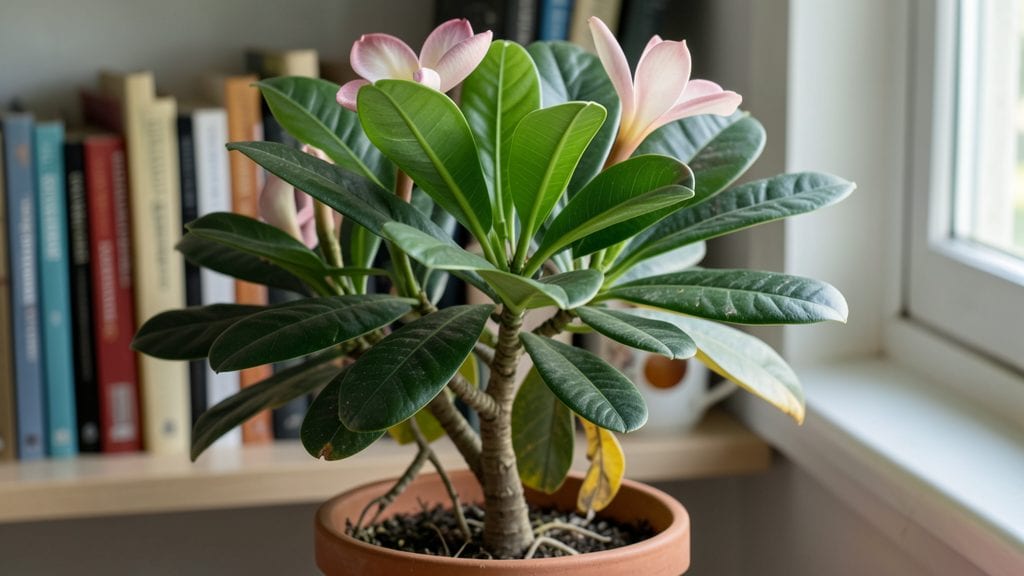
Growing a frangipani indoor plant 🌺 means bringing tropical fragrance into your home—without the tropical climate.
Imagine waking up to the intoxicating scent of frangipani blooms—without stepping outside. This tropical beauty can thrive indoors, but its care demands precision, especially when sunlight is limited. Here’s how to cultivate fragrant frangipani year-round, even in low-light conditions.
Frangipani loves warmth and humidity, but most homes struggle to replicate its natural habitat. The key is mimicking those conditions with bright indirect light, well-draining soil, and consistent moisture—without drowning the roots. Skip these basics, and you’ll end up with yellowing leaves or no blooms at all.
In this guide, you’ll learn the exact light setup, watering schedule, and pruning tricks to keep your frangipani thriving. Whether you’re dealing with dry indoor air or a windowsill that’s too dim, these steps will turn your plant into a fragrant centerpiece.


How to grow frangipani indoors without direct sunlight
Frangipani thrives in tropical climates with abundant sunlight, but with the right adjustments, you can grow this fragrant beauty indoors even without direct sun. The key lies in replicating its natural habitat—warmth, humidity, and bright indirect light.
By understanding these needs, you can transform your home into a frangipani paradise year-round.
Indoor frangipani requires 4-6 hours of bright indirect light daily, which can be achieved through strategic window placement or artificial lighting. Without sufficient light, your plant will struggle to bloom, so we’ll explore alternatives like grow lights and reflective surfaces to maximize light exposure.
Let’s dive into the specifics of creating the perfect indoor environment for your frangipani.
| Light Source | Best For | Pros | Cons |
|---|---|---|---|
| East/West Window | Natural bright indirect light | Free, natural spectrum, no energy cost | Limited to window placement, seasonal light changes |
| Grow Lights (LED) | Full-spectrum artificial light | Consistent light, adjustable intensity, energy-efficient | Initial cost, requires setup, may need timer |
| Sheer Curtains + Mirror | Enhancing natural light | Low-cost, boosts light reflection, easy to install | Limited effectiveness without direct sun, may overheat |
| South-Facing Window | Strong indirect sunlight | High light intensity, natural spectrum | Risk of leaf burn, requires filtering (sheer curtain) |
For bright indirect light, position your frangipani 2-3 feet from an east or west-facing window to avoid harsh afternoon sun. If your space lacks natural light, a full-spectrum LED grow light placed 12-18 inches above the plant for 12-14 hours daily will mimic sunlight effectively.
Rotate the plant weekly to ensure even growth and prevent leaning toward the light source.
Frangipani loves high humidity levels—aim for 50-70%—to replicate its tropical roots. Use a humidifier near the plant or place the pot on a pebble tray filled with water.
Grouping plants together also creates a microclimate that retains moisture. Avoid placing your frangipani near drafts or heating vents, as sudden temperature drops can shock the plant.
Maintain a consistent temperature range of 65-85°F indoors. Frangipani thrives in warmth but cannot tolerate below 55°F. If your home gets chilly at night, consider using a space heater or moving the plant closer to a warm wall.
During winter, keep it away from cold windows to prevent leaf drop.
Well-draining soil is non-negotiable for frangipani. Use a mix of cactus or orchid potting soil with perlite or sand to improve aeration. Repot every 2-3 years or when roots outgrow the container. Choose a pot with drainage holes to prevent root rot, a common issue in indoor frangipani care.
Water thoroughly when the top 1-2 inches of soil feel dry, ensuring excess water drains away.
Fertilize your frangipani every 4-6 weeks during spring and summer with a balanced 10-10-10 fertilizer to encourage blooming. Reduce feeding in fall and winter as growth slows. Always water the plant before fertilizing to avoid root burn. Prune leggy stems in early spring to promote bushier growth and more flowers.
Watch for pests like spider mites or mealybugs, which thrive in dry indoor air. Wipe leaves with a neem oil solution monthly as a preventative measure.
If pests appear, isolate the plant and treat with insecticidal soap. Regularly inspect the undersides of leaves and stems for early signs of infestation.
With these strategies, your indoor frangipani can flourish without direct sunlight. The key is consistency—monitor light, humidity, and temperature closely, and adjust as needed. Soon, you’ll enjoy the intoxicating scent of frangipani blooms year-round, right in your living space. 🌺
Step-by-step guide to pruning and training frangipani for indoor blooms
Frangipani thrives indoors when you guide its growth through strategic pruning and training. Without proper shaping, your plant may become leggy or overgrown, reducing those fragrant blooms you love.
The key is to prune at the right time of year and train vines to create a compact, bushy structure perfect for containers.
Indoor frangipani needs seasonal adjustments to bloom continuously. Spring and summer are ideal for heavy pruning to encourage new growth, while fall and winter require lighter touches to preserve energy. I’ll walk you through the exact steps to keep your frangipani healthy and flowering year-round, even with limited sunlight.
How to Prune and Train Your Indoor Frangipani
-
Step 1: Choose the Right Tools
Use sterilized pruning shears and sharp scissors to avoid damaging stems. Wipe blades with rubbing alcohol between cuts to prevent disease. -
Step 2: Prune After Blooming
Cut back spent blooms and yellowing leaves in late spring or early summer. Remove up to 1/3 of the plant’s height to encourage bushier growth. -
Step 3: Train Vines for Compact Growth
Tie long vines to a support trellis or bamboo stake to guide them upward. Prune lateral branches to focus energy on main stems. -
Step 4: Repot Every 2-3 Years
Move to a slightly larger pot (2-3 inches wider) in spring to refresh soil. Use a mix of cactus soil and perlite for drainage. -
Step 5: Adjust Pruning for Seasons
Spring/Summer: Heavy pruning to shape and encourage blooms.
Fall/Winter: Light pruning to remove dead growth only. -
Step 6: Fertilize After Pruning
Apply a balanced fertilizer (10-10-10) 2 weeks post-pruning to support new growth. Reduce feeding in winter months.
Pruning isn’t just about cutting—it’s about encouraging the right growth. When you remove overcrowded branches, you improve airflow, reducing the risk of fungal diseases like powdery mildew. I always prune just above a leaf node to stimulate new shoots, which will eventually bloom.
For continuous blooms, train your frangipani to grow in a compact shape. Use a smaller container to restrict root spread, forcing the plant to focus energy on flowering rather than foliage. Rotate the pot quarter-turns every 2 weeks to ensure even light exposure on all sides.
Remember, patience is key—frangipani may take 6-12 months to adjust to indoor training. Monitor for signs of stress like yellow leaves or dropped buds, which signal over-pruning or poor light. With consistent care, your indoor frangipani will reward you with year-round fragrance and stunning blooms.