
Pruning
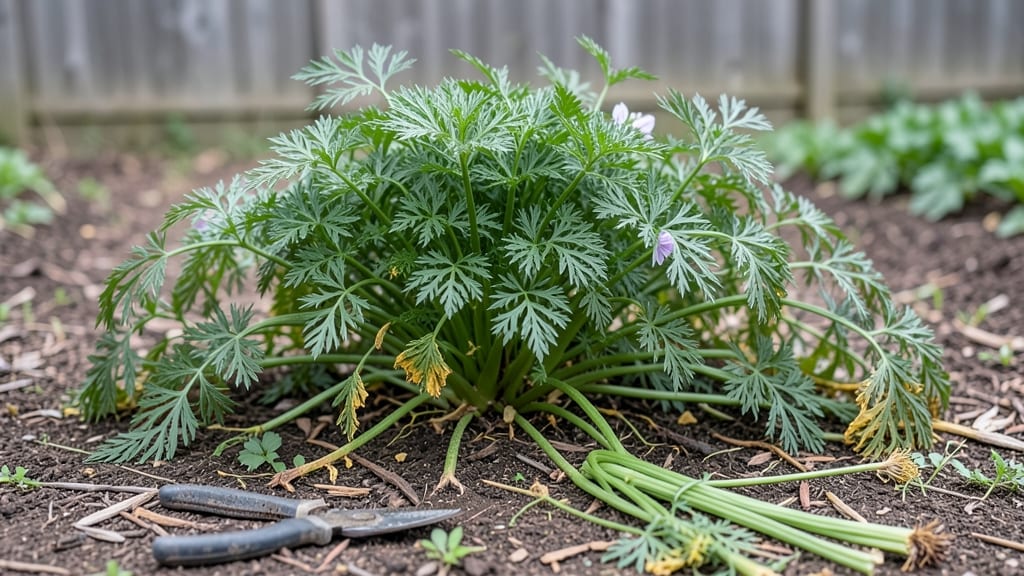
Trimming asparagus plants isn’t just optional—it’s the secret to year-round harvests and healthier spears. 🌱 I’ve learned that skipping this step means missing out on tender shoots in spring and sturdy growth later, plus preventing the crown from getting crowded and diseased.
The right cuts at the right time turn a few spears into a bounty that lasts months.
You only need two tools: sharp pruning shears and a clean knife. Timing matters most—cut spears when they’re 8-12 inches tall and 2 inches in diameter, leaving the crown intact. After the harvest season ends, remove any dead fronds at ground level to keep the plant tidy and disease-free.
The key is patience: never cut more than a third of the spears in the first year to protect the roots.
What you’ll end up with is a thriving asparagus bed that produces spears for decades. The plants grow stronger each year, and the spears become thicker and sweeter. By winter, the crowns stay healthy under mulch, ready to push new growth as soon as spring warms the soil.
The payoff is worth the few minutes of effort—fresh asparagus straight from your garden, season after season.
This method works in zones 3-10, whether you’re growing in raised beds, in-ground rows, or even containers. The only real mistake is cutting too aggressively or too late—so start small, observe your plants, and adjust as you go.
Before you know it, you’ll have a foolproof system for asparagus that keeps giving back for years.
📚 In This Guide
- What you need
- Instructions
- Tips and common mistakes
- Wrapping up and next steps
What you need
- ● Pruning shears or sharp bypass pruners – Choose clean, sharp tools (1 pair) to avoid damaging the plant or spreading disease. A sterilizing solution (like rubbing alcohol) is a must for between cuts!
- ● Gardening gloves – A pair of durable, breathable gloves (e.g., nitrile-coated) to protect your hands from thorns and dirt.
- ○ Garden twine or plant ties (optional but helpful) – For supporting tall ferns after harvest (5–10 ft, depending on plant size).
- ● Mulch (straw, wood chips, or compost) – A 2–3 inch layer to retain moisture and suppress weeds (cover ~3 ft radius around the crown).
- ● Watering can or hose with a gentle spray nozzle – Asparagus loves consistent moisture (1–1.5 inches per week).
- ● Fertilizer (balanced or low-nitrogen) – A 10-10-10 or 5-10-10 formula (1–2 lbs per 100 sq ft) applied in early spring.
- ● Know your asparagus’ age – Only trim mature plants (2+ years old) to encourage healthy regrowth.
- ● Identify the crown – The thick, woody base (underground) is where new shoots emerge. Never cut into it!
- ● Check the weather – Trim on a dry, overcast day to reduce stress on the plant.
- ● Clear the area – Remove weeds and debris within a 3-foot radius of the plant for easier access.
Instructions for year-round asparagus care and trimming
Here’s how to keep your asparagus beds thriving with seasonal trims and maintenance.
🌱 Step 1: First-Year Establishment (No Harvesting)
During the first growing season, your asparagus crowns need all their energy to establish strong roots. Avoid harvesting any spears—this ensures a robust plant base for future harvests. Focus on keeping the bed weed-free and watered consistently, especially during dry spells.
I like to mulch with 3-4 inches of organic mulch (like straw or shredded leaves) to retain moisture and suppress weeds. This also protects the crowns from temperature swings. By the end of the first year, your plants will have built a network of roots ready for harvest.
✂️ Step 2: Annual Spring Harvest Trimming
Starting the second year, harvest spears in early spring when they’re 6-8 inches tall and still tender. Cut them at ground level with a sharp knife or clean shears—never pull them from the ground, as this can damage the crown. Stop harvesting when the spears turn woody or start producing ferns.
This is the only time you’ll actively trim for harvest. After the spears stop producing, let the plants grow into ferns. The ferns will store energy in the roots for next year’s spears. I usually stop harvesting by late May or early June, depending on my climate.
🌿 Step 3: Summer Fern Maintenance
Once the ferns appear, avoid cutting them back entirely—this disrupts the plant’s energy storage. Instead, trim only the tips of the ferns if they become ragged or diseased. This keeps the plant looking tidy without sacrificing next year’s harvest.
Water deeply once a week during dry periods to encourage strong fern growth. The ferns also help shade the soil, reducing weed pressure. If your asparagus bed looks crowded, thin out some of the oldest stems to improve airflow and reduce disease risk.
⏰ Step 4: Fall Cleanup and Winter Prep
In late fall, after the ferns turn yellow and die back, trim them to 2-3 inches above the ground. This prevents pests and diseases from overwintering in the debris. Remove any remaining plant material and compost it—never leave old ferns in the bed.
Apply a 2-3 inch layer of mulch before winter to insulate the crowns. This protects them from freezing temperatures and keeps the soil moist. In colder climates, a thick layer of straw or leaves can make all the difference in survival.
🌱 Step 5: Year-Round Weed and Pest Control
Asparagus beds are notorious for weeds, so stay on top of them year-round. Pull weeds by hand when they’re small—never let them go to seed. I also recommend a light application of mulch in early spring to smother emerging weeds before they compete with your asparagus.
Watch for asparagus beetles or rust disease, which can weaken plants. If you spot beetles, handpick them or use an organic insecticide. For rust, improve airflow by thinning ferns and avoid overhead watering. A healthy plant is your best defense against pests and diseases.
Tips & tricks for perfect asparagus plant care
A few simple tricks will help you maximize your asparagus harvest year after year without the guesswork.
The First-Year Secret: That first year is all about patience. I know it's tempting to harvest those early spears, but resisting them is what builds a strong plant for future harvests. The 3-4 inches of mulch I apply isn't just for weeds—it's creating a stable microclimate that protects those developing roots from temperature swings. Think of it like giving your plants a cozy blanket while they build their foundation.
Harvest Timing Matters: Those 6-8 inch spears in Step 2 are your sweet spot—any taller and they get woody. I've learned the hard way that harvesting too late in the season (past late May) weakens the plant before winter. Mark your calendar when you stop seeing tender spears and let the ferns take over—they're doing important work storing energy for next year.
Summer Fern Care: Here's what nobody tells you—those ferns aren't just pretty foliage. When you see them appear, resist the urge to cut them all back. Only trim the tips if they look ragged, and never cut them down to the ground. The deep green ferns are photosynthesis factories, feeding your plant's roots for next season's harvest. That once-weekly deep watering keeps them strong without overwatering.
Winter Protection Hack: The 2-3 inch mulch layer in fall isn't just decoration—it's insulation. I've seen asparagus crowns survive brutal winters with proper mulching, while neglected beds freeze back. In really cold climates, double up with straw over leaves for extra protection. And remember: compost those old ferns, don't leave them in the bed—they harbor pests and diseases.
Pro Tips for Do You Trim Asparagus Plants
- A few simple tricks will help you maximize your asparagus harvest year after year without the guesswork.
- The First-Year Secret: That first year is all about patience.
- Harvest Timing Matters: Those 6-8 inch spears in Step 2 are your sweet spot—any taller and they get woody.
Frequently asked questions
When is the best time to trim asparagus plants?
The ideal time to trim asparagus is after harvest—cut back foliage to ground level in late fall or early winter (after the first frost). This allows the plant to rest and store energy for next year’s growth. Avoid trimming during active growth (spring/summer) unless removing damaged or diseased fronds.
Do I need to trim asparagus every year?
Yes! Annual trimming is essential. After the first harvest year, cut back all foliage to the ground in fall or winter. This prevents disease, improves soil health, and ensures stronger spears the following season. Skipping this step can weaken your plants over time.
What happens if I don’t trim asparagus plants?
Neglecting trims leads to weaker harvests, increased pests/diseases, and reduced spear quality. Over time, untrimmed plants may fuse (spears won’t emerge properly) or produce woody, bitter stalks. Think of trimming as a reset button for your asparagus bed!
Can I trim asparagus plants in spring instead of fall?
While you can trim in early spring (before new spears emerge), fall/winter trimming is preferred. Spring trims may stress the plant if done too early. If you must trim in spring, wait until after harvest and avoid cutting more than ⅓ of the foliage at once.
What’s the difference between trimming and harvesting asparagus?
Harvesting
= Cutting spears (below soil) when 6–8" tall. Trimming = Cutting foliage (above soil) to ground level after harvest. Harvesting feeds you; trimming feeds the plant’s roots for next year’s growth. Both are critical!
Wrapping up and next steps
Trimming your asparagus plants isn’t just about tidiness—it’s the secret to a bountiful, long-lasting harvest! 🌱 By mastering the art of pruning, you’ll encourage healthier growth, prevent disease, and enjoy fresh spears for years.
Whether you’re a first-time gardener or a seasoned green thumb, these techniques make the process simple and rewarding.
Ready to level up your garden game? Start by marking your asparagus bed and planning your next harvest—your future meals (and future you) will thank you! 🍽️