
Vegetables
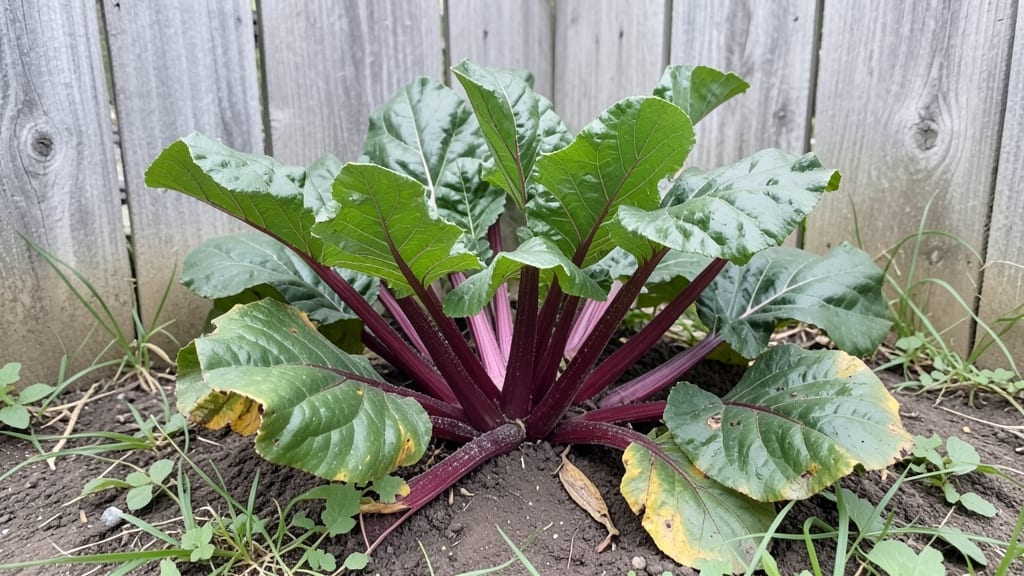
Growing crimson rhubarb plants adds a showstopping pop of color and flavor to your garden 🍃—this striking variety boasts deep purple stems that taste sweeter than classic red rhubarb.
Imagine harvesting vibrant purple-stemmed rhubarb that stands out in your garden like a jewel—Crimson Rhubarb isn’t just visually striking, but it’s also sweeter and more tender than traditional varieties. If you’ve ever wanted to grow this rare, eye-catching plant but didn’t know where to start, you’re in the right place.
Perfect for USDA Zone 6a, these plants thrive in spring planting (March-April) and reward you with harvests from June through September. Whether you’re drawn to its ornamental value or its culinary potential, Crimson Rhubarb delivers both beauty and flavor with minimal fuss.
In this guide, I’ll walk you through everything from soil prep to harvesting techniques, so you can grow a thriving patch of this stunning variety—and enjoy its unique taste in pies, jams, and drinks all season long.
Why crimson rhubarb stands out: key differences from regular rhubarb
If you’ve ever admired the bold purple-stemmed rhubarb in specialty grocery stores, you’re looking at Crimson Rhubarb. Unlike the classic green-stemmed varieties, this showstopper offers more than just visual appeal—it delivers sweeter, more tender stems with a vibrant color that’s perfect for both gardens and kitchens.
Gardeners love it for its ornamental value and culinary versatility, but what truly sets it apart?
The key differences between Crimson Rhubarb and traditional rhubarb lie in color intensity, flavor profile, and growth characteristics. While regular rhubarb relies on green or pinkish hues, Crimson Rhubarb’s deep red-purple stems make it a standout in any garden bed or container.
Beyond aesthetics, its milder tartness and thicker texture make it ideal for both cooking and fresh eating.
🚨 INSERT comparison table ELEMENT HERE 🚨
One of the most noticeable differences is the color intensity of Crimson Rhubarb’s stems, which ranges from deep purple-red to almost black-red when fully mature. This isn’t just for show—it’s a sign of higher anthocyanin levels, antioxidants that also contribute to its sweeter, less tart flavor. Many gardeners report that Crimson Rhubarb tastes almost like a cross between rhubarb and strawberry, making it a fantastic choice for fresh salads or lightly cooked dishes.
Growth-wise, Crimson Rhubarb tends to be more compact and bushier than traditional varieties. This makes it ideal for small gardens or containers, where space is limited.
Its shorter stature (typically reaching 1.5 to 2 feet) also means it’s less prone to wind damage or flopping over, which can be an issue with taller rhubarb varieties in exposed areas.
The disease resistance of Crimson Rhubarb is another major selling point. I’ve found it far less susceptible to rhubarb curculio and leaf spot diseases compared to classic green-stemmed varieties.
This means fewer pesticide applications and healthier plants overall. If you’re in a region with humid summers, this trait alone might make Crimson Rhubarb your top choice.
From a culinary standpoint, the possibilities are endless. The vibrant color of Crimson Rhubarb makes it perfect for garnishes, jams, and desserts, where its natural hue can replace artificial dyes.
Plus, its milder taste means you can enjoy it raw in fruit salads or lightly poached with a touch of honey—a luxury you won’t get with standard rhubarb.
If you’re considering adding Crimson Rhubarb to your garden, keep in mind its climate adaptability. It thrives in USDA Zones 3 through 8, making it suitable for cold northern climates as well as warmer southern regions.
Unlike regular rhubarb, which can struggle in hot, dry conditions, Crimson Rhubarb handles heat and humidity with greater ease, provided it gets consistent moisture.
For gardeners who love dual-purpose plants, Crimson Rhubarb is a dream. It’s as beautiful as it is functional, offering both ornamental value and edible rewards. Whether you’re growing it for its striking foliage or its delicious stems, this variety delivers on all fronts.
Once you try it, you’ll wonder why you didn’t switch sooner!
🌱
Step-by-step guide to planting and caring for crimson rhubarb
Growing crimson rhubarb is easier than you think, but it requires attention to soil quality, sunlight exposure, and seasonal care. Unlike traditional rhubarb, this purple-stemmed variety thrives in cooler climates and produces sweeter, more tender stems.
Whether you're a beginner or experienced gardener, these steps will help you cultivate a thriving patch of ornamental edible plants that double as a stunning garden feature.
Before you start, gather your planting supplies, including well-draining soil, organic compost, and mulch. Crimson rhubarb prefers slightly acidic soil with a pH between 6.0 and 6.8. If your soil is heavy clay or sandy, amend it with compost to improve moisture retention and drainage.
This variety is hardy in USDA zones 3-8, making it versatile for many climates.
How to Plant Crimson Rhubarb
- Step 1: Choose the Right Location Select a spot with full sun to partial shade (6+ hours of sunlight daily). Avoid low-lying areas where frost may settle, as this can damage young plants.
- Step 2: Prepare the Soil Loosen the soil to a depth of 12 inches and mix in 2-3 inches of compost. Crimson rhubarb dislikes soggy soil, so ensure good drainage by adding perlite or sand if needed.
- Step 3: Plant the Crowns Space crowns 3-4 feet apart in rows 4-5 feet apart to allow for airflow and easy harvesting. Dig a hole slightly deeper than the crown’s roots and place it so the top is 1 inch below soil level.
- Step 4: Water Thoroughly After planting, water deeply to settle the soil and encourage root growth. Keep the soil consistently moist but not waterlogged for the first 2-3 weeks.
- Step 5: Apply Mulch Cover the soil with 2-3 inches of mulch (straw or wood chips) to retain moisture, suppress weeds, and protect roots during winter.
Once planted, crimson rhubarb requires minimal maintenance but benefits from regular watering schedules and seasonal fertilization. Water deeply once a week during the growing season, increasing frequency to every 5-7 days in extreme heat.
Avoid overhead watering to prevent fungal diseases like leaf spot, which can discolor the striking purple foliage.
In early spring, apply a balanced fertilizer (10-10-10) to encourage lush growth. Feed again in mid-summer with a light dose to support stem production. Avoid heavy fertilization in fall, as this can stimulate tender growth that may not survive winter.
Prune damaged or yellowing leaves promptly to redirect the plant’s energy to stem production.
One common mistake gardeners make is harvesting too early or too aggressively. Wait until stems reach 10-12 inches in length and are firm to the touch before cutting. Never remove more than one-third of the stems at a time, or you’ll weaken the plant.
Crimson rhubarb is perennial, so proper care now ensures years of vibrant harvests.
To maximize yield, divide mature clumps every 3-4 years to prevent overcrowding. Dig up the entire plant in early spring, separate the crowns, and replant them in fresh soil.
This rejuvenates the plant and increases stem production. With the right care, your crimson rhubarb will reward you with edible beauty that’s as delicious as it is decorative!