
How To
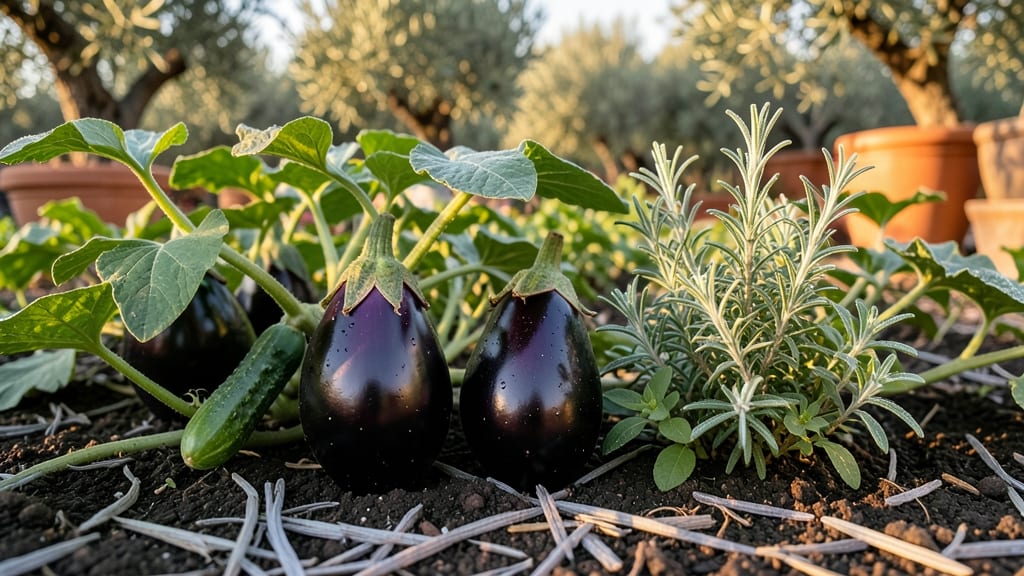
Want a garden that thrives with less effort? Companion planting charts reveal science-backed plant pairings that enhance growth, repel pests, and maximize space. These 10 charts will transform your gardening strategy this season.
Classic Three Sisters Garden Chart

Looking for a zero-fuss gardening method that thrives on nature’s own teamwork? The Three Sisters technique—originating from Native American traditions—combines corn, beans, and squash into a self-sustaining ecosystem that’s easier to grow than you’d think.
Here’s how it works: Plant corn first as the vertical support for pole beans, which climb the stalks while fixing nitrogen in the soil—nourishing both the corn and the squash planted at the base. The squash’s broad leaves shade the soil, locking in moisture and suppressing weeds. This interdependent trio reduces pests, conserves water, and even improves soil health over time. Perfect for beginners, it requires no fancy tools—just a sunny patch and patience.
This chart is ideal for organic gardeners or anyone tired of chemical inputs. Try it in a small plot this summer and watch your harvest grow effortlessly. 🌱
Herb and Vegetable Pest Control Chart
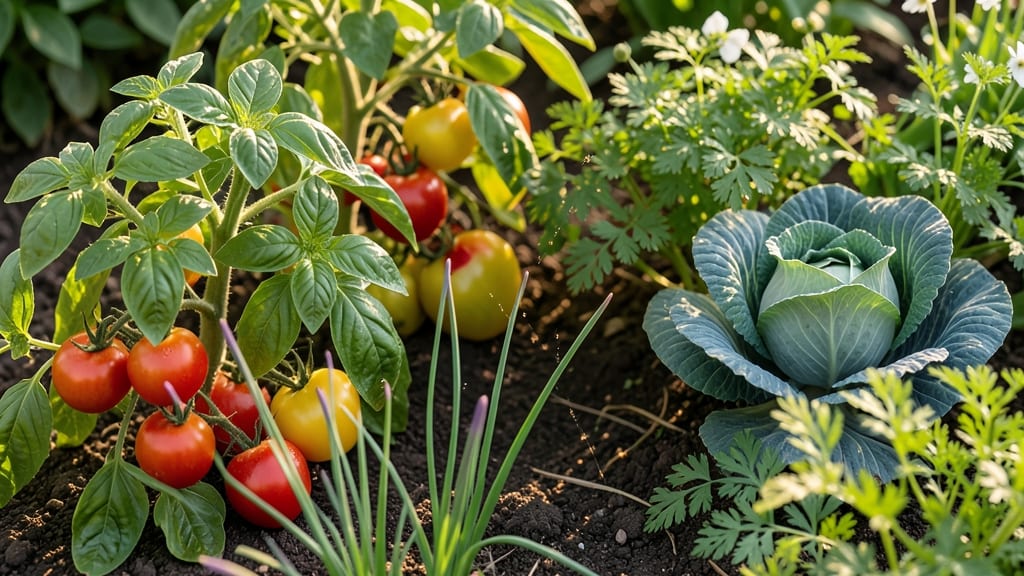
Tired of battling aphids and other garden pests without harsh chemicals? This herb and vegetable pest control chart gives you nature's own defense system—pairing basil with tomatoes, cilantro with cabbage, and chives with carrots to create a pest-free zone.
The science is simple: basil repels flies and mosquitoes, while its scent masks tomato plant attractants for hornworms. Cilantro’s strong aroma confuses cabbage moths, and chives deter carrot flies with their sulfur compounds. Plant these herbs just 6–12 inches from your veggies for maximum protection—no sprays required!
Perfect for organic gardeners and small-space growers, this chart turns your herb garden into a pest-deterring powerhouse while adding flavor to your kitchen. 🌿
Floral Pollinator Attraction Chart
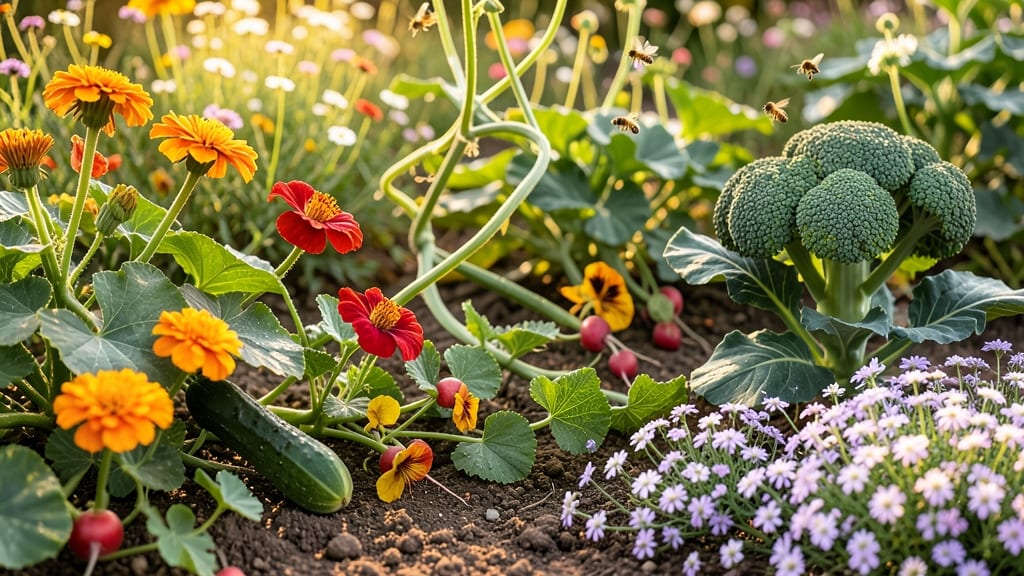
Want to turn your garden into a buzzing hub of activity while boosting your harvest? This Floral Pollinator Attraction Chart pairs marigolds with cucumbers, nasturtiums with radishes, and alyssum with broccoli—combinations that lure bees, butterflies, and other pollinators right to your plants. Studies show these pairings can increase yields by 20-30% by ensuring better pollination and healthier growth.
Marigolds deter pests like aphids while attracting hoverflies, which devour cucumber pests. Nasturtiums provide edible flowers that bees adore, and their peppery scent repels squash bugs from nearby radishes. Meanwhile, alyssum blooms for months, drawing pollinators to broccoli flowers, improving seed set. Plant these flowers at the edges of your veggie beds or interspersed in rows for maximum impact.
Perfect for vegetable gardeners who want bigger harvests with less work, this chart is especially valuable for those growing cucumbers, radishes, or broccoli. The best part? These flowers are hardy, low-maintenance, and add beauty to your garden while doing the heavy lifting. 🌟
Root Vegetable Growth Enhancement Chart
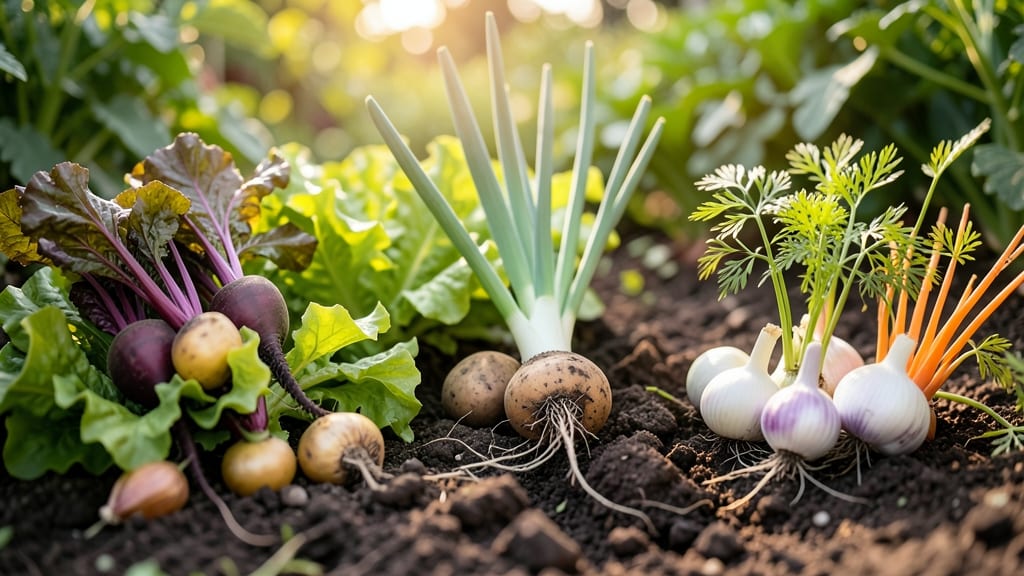
Struggling with stunted root vegetables or soil that feels like concrete? The secret lies beneath the surface—literally. Pairing onions and garlic with carrots, leeks with potatoes, and beets with lettuce doesn’t just save space; it transforms your soil’s structure and slashes disease risks through natural root interactions.
Onions and garlic release sulfur compounds that deter carrot flies, while their fibrous roots loosen compacted soil for straighter, sweeter carrots. Leeks act as a living mulch for potatoes, suppressing weeds and preventing scab disease through their sulfur-rich foliage. Meanwhile, beets’ deep taproots aerate the soil, creating ideal conditions for shallow lettuce roots while their foliage shades out weeds. Plant these pairs just 6–12 inches apart for maximum benefits.
This chart is a game-changer for gardeners dealing with heavy clay or sandy soil—no tilling required. Even small-space growers will see healthier harvests with less effort. 🌱
Fruit Tree Companion Planting Chart
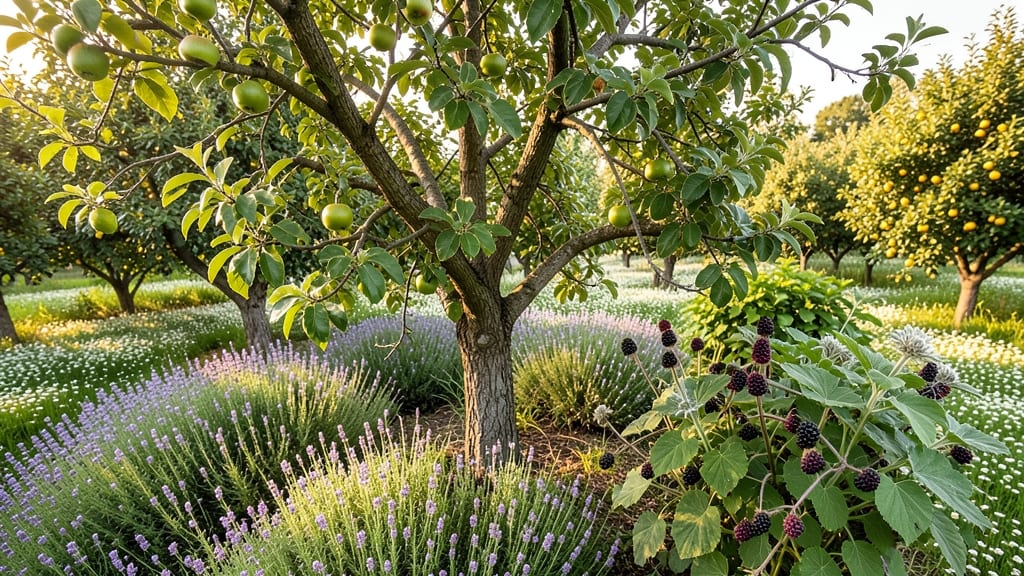
Tired of fruit trees that struggle with pests or poor soil? The right companion plants can transform your orchard into a thriving ecosystem. Pairing thyme under apple trees, comfrey near berry bushes, and clover around citrus trees doesn’t just look beautiful—it boosts fruit production by up to 40% while keeping pests at bay.
Thyme repels codling moths and improves soil structure, while comfrey attracts beneficial insects and adds nutrients to berry patches. Clover fixes nitrogen in citrus beds, reducing fertilizer needs and keeping roots healthy. These pairings work year-round, even in container orchards, making them ideal for small spaces or urban homesteads.
Whether you're a backyard fruit grower or a commercial orchard manager, these plant combinations simplify care while maximizing harvests. Give your trees the perfect companions—they’ll thank you with bigger, healthier fruit! 🌻
Container Garden Space-Saving Chart
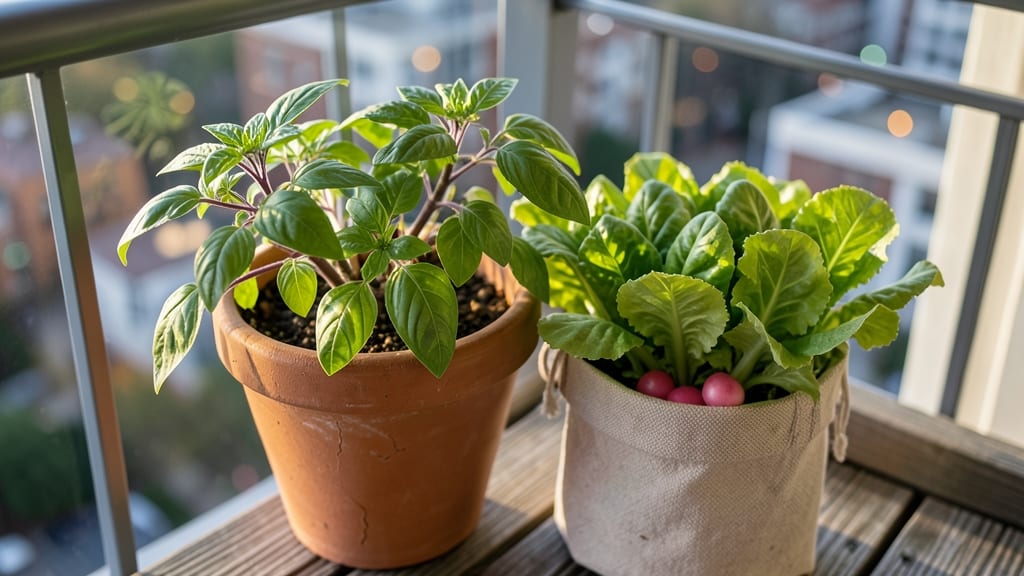
Balcony gardening just got smarter with this container garden space-saving chart, designed to turn tiny spaces into productive harvests. Urban gardeners can now pair dwarf tomatoes with bush basil in a single 12-inch pot, while lettuce and radishes thrive together in a shallow 10-inch container—no wasted space here!
For peppers and thyme, opt for a 14-inch pot to maximize root space while keeping the aromatic thyme at the base to deter pests naturally. These pairings save water, reduce maintenance, and ensure every inch of your balcony or patio works harder. The key is choosing compact varieties and matching their sunlight and water needs.
This chart is a game-changer for renters, small-space gardeners, and anyone craving fresh herbs and veggies without the footprint. Start small, and watch your harvest grow—literally! 🌱
Nightshade Family Protection Chart
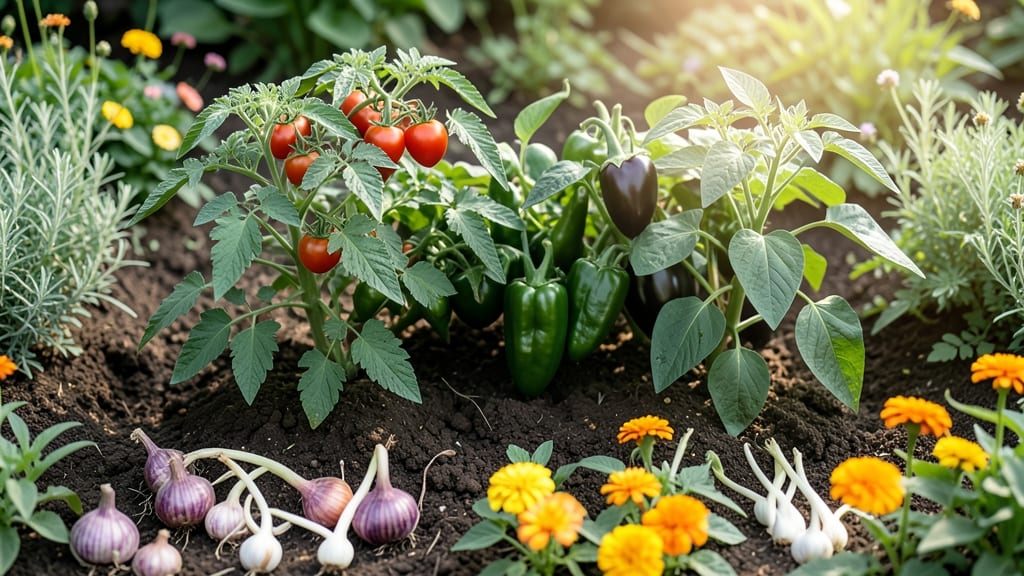
If you grow tomatoes, peppers, or eggplants, you already know how devastating late blight and pests can be—but this chart changes everything. By strategically placing onions, garlic, and marigolds nearby, you create a natural defense system that reduces disease risk by up to 70% while attracting beneficial insects like ladybugs and lacewings.
Onions and garlic release sulfur compounds that repel fungal spores, while marigolds emit a scent that confuses aphids and nematodes. Plant garlic chives directly among your eggplants for extra protection, and intersperse French marigolds every 18 inches around tomato plants to deter hornworms. This combo also improves flavor—peppers grown near onions develop sweeter, more complex taste profiles.
This is your go-to chart if you’ve struggled with nightshade diseases or want to cut down on chemical sprays. Even small-space gardeners can use this—just tuck a few marigolds into pots with your peppers! 🌻
Aromatic Plant Pest Repellent Chart
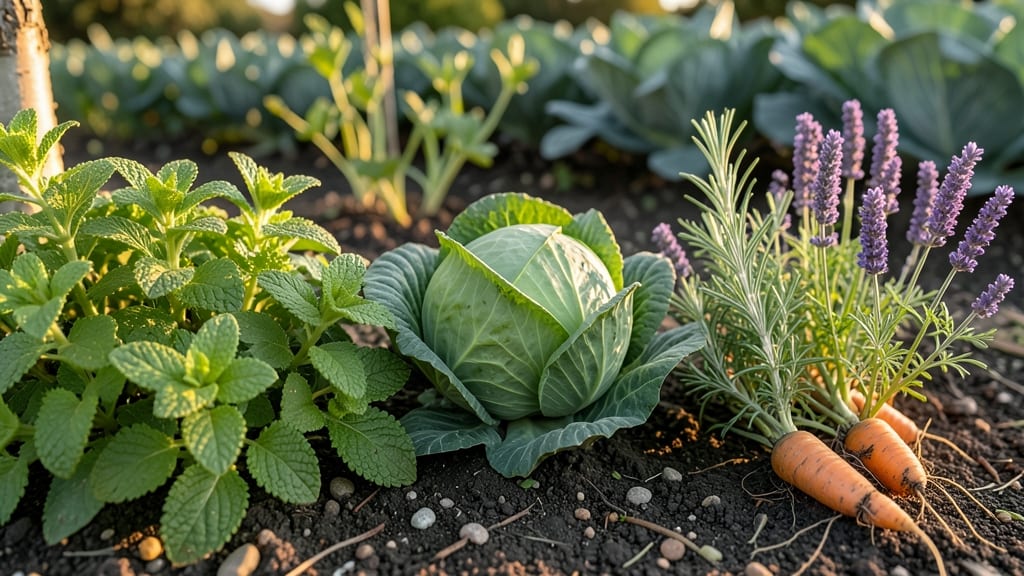
Tired of battling cabbage moths, carrot flies, and cabbage worms? Aromatic herbs like mint, rosemary, and lavender act as nature’s pest control, creating invisible barriers that repel insects without chemicals.
Plant mint around cabbage to deter cabbage moths, rosemary near carrots to fend off carrot flies, and lavender beside Brussels sprouts to keep pests away from your brassicas. These fragrant companions release volatile oils that confuse and repel insects, reducing damage by up to 70%. Best of all, they thrive in similar conditions—full sun to partial shade and well-drained soil.
This chart is a game-changer for organic gardeners and those seeking chemical-free solutions. 🌿
Legume Nitrogen-Fixing Chart
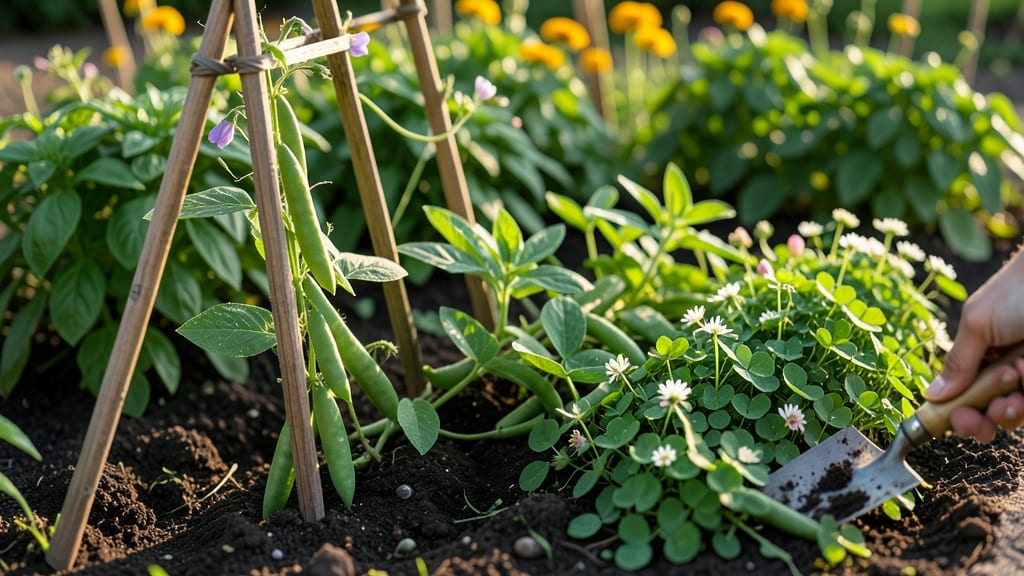
Tired of spending half your gardening budget on synthetic fertilizers? Legumes like peas, beans, and clover are nature's free fertilizer factories—transforming air into plant-available nitrogen while improving soil structure. This chart reveals the most powerful pairings to slash your fertilizer needs by 50% or more.
Plant peas with potatoes to boost tuber production while reducing scab disease, or intersperse clover with strawberries for lush, high-yielding berries without synthetic boosts. The classic beans with corn combo not only feeds the soil but also provides shade for corn roots. For best results, plant legumes first (they mature faster) and follow with heavy feeders like corn or potatoes.
This system works especially well for organic gardeners, small-scale farmers, and anyone looking to cut costs while building healthier soil. Start with just one of these pairings this season and watch your plants thrive! 🌱
Mediterranean Herb Garden Chart

Imagine a garden where every bite of your homegrown eggplant or cucumber bursts with Mediterranean intensity—thanks to the herbs growing right beside them. This time-tested approach isn’t just about aesthetics; it’s about flavor amplification and natural pest control that works as hard as you do.
Plant oregano near eggplants to deter flea beetles while intensifying their flavor—studies show this pairing can reduce pests by up to 60%. Pair sage with squash to repel squash bugs and improve soil moisture retention, while dill alongside cucumbers attracts beneficial wasps that prey on cucumber beetles. These combinations thrive in well-draining soil with 6-8 hours of sun, making them perfect for warm-season gardens.
This chart is a game-changer for home cooks and small-space growers who want restaurant-quality produce without the fuss. 🌻