
Planting
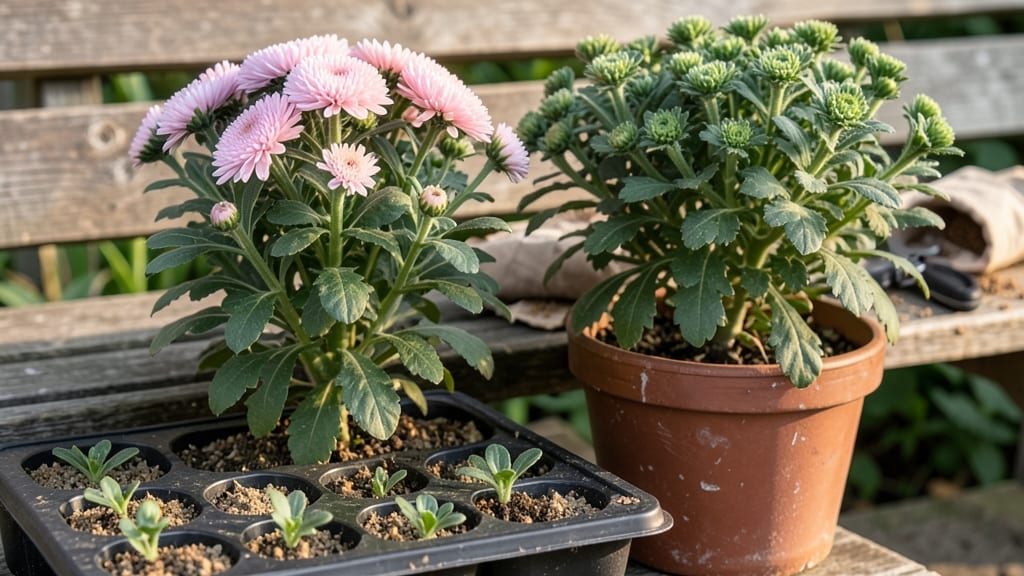
The chrysanthemum planting time is all about catching that sweet spot between late summer and early fall 🌼 — a window that guarantees those bold fall blooms you’ve been dreaming of.
Want vibrant chrysanthemums blooming in your garden from late summer to frost? Timing your planting right is the secret to stunning fall color—but get it wrong, and you’ll miss the floral show entirely.
In USDA Zone 6a, where I garden, the magic happens between August and September, when soil stays warm enough for roots to establish before the first frost. Too early, and your plants bolt; too late, and they won’t have time to mature.
Below, I break down the exact months for your zone, how to adjust for early vs. late varieties, and the one trick that guarantees bigger blooms—no guesswork, just foolproof timing.
Optimal chrysanthemum planting months by US hardiness zones
Timing your chrysanthemum planting is everything when you want those vibrant fall blooms. These hardy plants thrive when planted at the right time, but the perfect window varies dramatically across US hardiness zones 3-11.
In colder zones like 3-5, you'll want to plant earlier to give roots time to establish before frost, while warmer zones 9-11 can handle later plantings. Let's break down the best months for each zone to ensure your chrysanthemums put on their best show.
Most gardeners focus on late summer planting (August-September), but early varieties can go in as soon as June in warm zones. The key is to plant 4-6 weeks before your first frost date—this gives plants enough time to root while still flowering before cold sets in.
For example, in Zone 6, that means planting in mid-August, while Zone 10 gardeners can plant as late as October.
Here's where it gets tricky: soil temperature matters just as much as air temperature. Chrysanthemums prefer soil temps between 60-70°F for root establishment. In northern climates, wait until the ground warms to at least 60°F before planting, even if it's technically the right month.
Southern gardeners should avoid planting when soil temps exceed 85°F, as this stresses young plants.
Another critical factor is day length. Chrysanthemums are short-day plants, meaning they need 12-14 hours of darkness to trigger blooming. This is why late summer planting works best—longer nights signal the plant to flower.
If you plant too early in Zone 7 or warmer, your chrysanthemums might bolt (send up flower stems) prematurely and produce weak blooms.
Now let's get practical with a zone-by-zone planting schedule that accounts for these variables.
Notice how the planting window shifts later as you move south? In Zone 3, you might get two planting opportunities: early for quick blooms or late for fall color.
Meanwhile, Zone 10 gardeners can plant through October because frost rarely arrives. This flexibility is why chrysanthemums are such versatile garden stars.
For container gardening, adjust these timelines by 2-3 weeks earlier—potted plants dry out faster and need more time to establish roots. Also, choose dwarf varieties (like 'Little Albert') for containers, as they handle transplant shock better.
If you're in Zone 6 or warmer and want to experiment, try planting early varieties in May—just be prepared for potential bolting if days get too long.
One common mistake I see is planting too late in northern zones. If you wait until September in Zone 5, your chrysanthemums may not bloom before frost.
The 4-6 week rule before first frost is your best guide, but always verify with your local cooperative extension service—microclimates can shift planting windows by weeks. For example, a urban heat island might allow later planting in Zone 6.
Regional variations also play a role. In the Pacific Northwest (Zone 7-8), cooler summers mean planting July 15-August 15 works best, while Deep South gardeners (Zone 9-11) can push planting
How to time your chrysanthemum planting for maximum blooms
Timing your chrysanthemum planting is everything when you want a show-stopping fall display. These hardy flowers need 4-6 weeks of warm soil before your first frost date to establish roots and produce vibrant blooms.
Plant too early, and they’ll bolt; too late, and frost will nip them before they shine. Let’s break down the perfect planting window for your mums.
First, check your USDA hardiness zone—this determines your first frost date. Most gardeners plant chrysanthemums between August and early September, but this shifts slightly depending on your zone.
For example, in Zone 5, aim for late July to mid-August, while Zone 8 gardeners can plant until early October. The key is counting back 120 days from your frost date.
- Step 1: Find your first frost date (use the USDA zone map or local almanac).
- Step 2: Count back 120 days for standard varieties or 90 days for early bloomers.
- Step 3: Adjust for container vs ground planting—containers need 2-3 weeks earlier to warm up.
- Step 4: Plant early varieties (like 'Bonanza') 4-5 weeks before your target date.
- Step 5: Plant late varieties (like 'Medallion') 2-3 weeks before your target date.
Not all chrysanthemum varieties bloom at the same time, so choose based on your desired fall timeline. Early-season mums, like 'Bright Golden Anne,' bloom in late September, while late-season varieties, like 'Mambo,' shine until November.
For a continuous display, mix 3-4 varieties spaced 2-3 weeks apart in planting.
Containers add a twist—potted chrysanthemums need earlier planting because soil warms slower. Start them 3-4 weeks ahead of ground-planted mums. Use black pots to absorb heat faster, and place containers in full sun to speed up root growth. This extra time ensures they’ll thrive and bloom alongside in-ground plants.
Watch for soil temperature—chrysanthemums need at least 60°F to sprout. Use a soil thermometer to check before planting. If your soil is cooler, mulch with straw to warm it faster.
Overly cold soil delays germination, leading to weak stems and fewer blooms. Pro tip: Water deeply after planting to settle roots and reduce transplant shock.
Once planted, fertilize lightly with a balanced 10-10-10 mix to encourage strong root and bloom development. Avoid heavy nitrogen—it promotes leaves over flowers. Pinch back new growth in late June to encourage bushier plants and more blooms.
With the right timing and care, your chrysanthemums will reward you with weeks of color as summer fades into fall. 🌼