Pruning
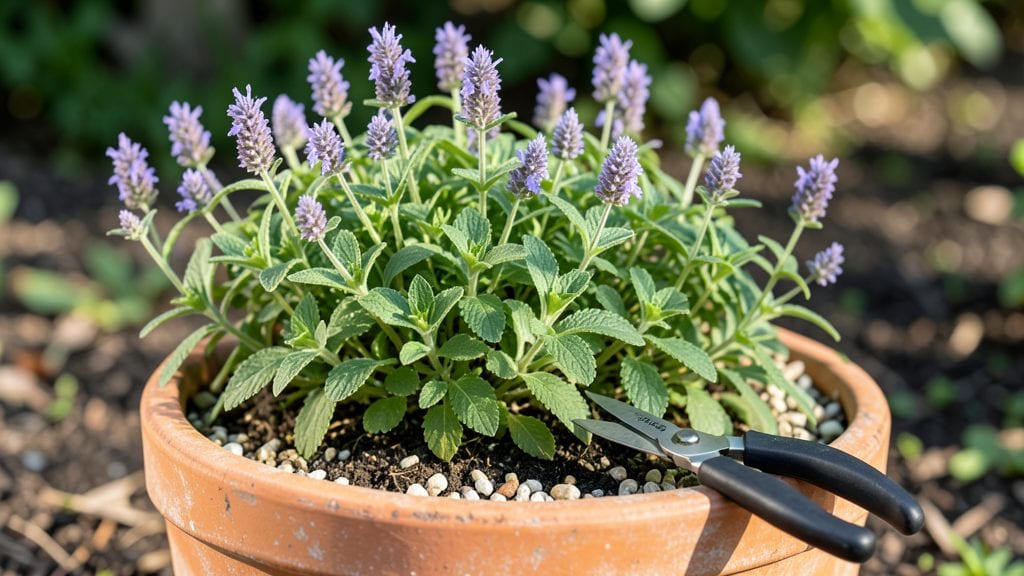
Master the art of catmint plant pruning—three simple cuts now mean lavender-blue blooms all summer long, because my catmint never stops flowering when pruned right. The trick isn't complicated: timing matters, and cutting at the wrong time turns your plant into a leggy mess.
I've been growing catmint for eight years, and these three cuts keep mine blooming from June until frost, even in hot, dry summers.
You only need sharp pruners and 10 minutes twice a year to transform your catmint from a floppy shadow into a bushy, blooming powerhouse. Most people wait until flowers fade, but that's too late—cut back one-third of the oldest stems in early spring before new growth starts.
The plant rewards you with thick, sturdy branches that hold more flowers, not just the usual few spikes.
By midsummer, you'll see dense clusters of fragrant blooms covering every inch, and the plant stays compact enough to fit in small gardens. The secret? Deadhead spent flowers in late summer to encourage one last flush of blooms before winter.
My neighbors still ask how I keep mine looking so good—now you'll know the trick too.
Works for both Nepeta varieties and catmint hybrids, and adapts to containers or garden beds. Once you master these cuts, your catmint will outperform every other perennial in your yard—simple, but not obvious until you try it.
📚 In This Guide
- What you need
- Instructions
- Tips and common mistakes
- Wrapping up and next steps
What you need
- ● Pruning shears or bypass pruners – Choose sharp, clean tools with bypass blades (avoid anvil pruners—they crush stems). Size: 5-7 inches for medium-sized catmint.
- ● Hand pruners (for small stems) – A pair of bypass pruners (3-4 inches) for trimming delicate new growth or hard-to-reach spots.
- ○ Gloves (optional but recommended) – Wear gardening gloves (nitrile or leather) to protect your hands from catmint’s fuzzy leaves and thorns.
- ● Disinfectant (70% isopropyl alcohol or bleach solution) – 1 part bleach to 9 parts water to sterilize tools between cuts and prevent disease.
- ● Sharpie or permanent marker – For labeling pruned branches if you’re propagating cuttings.
- ○ Garden twine or plant ties (optional) – If your catmint is leggy, use soft twine to gently stake it for support.
- ● Know your catmint’s growth stage – Prune after flowering (late summer/early fall) for year-round blooms, or early spring to shape the plant.
- ● Check the weather – Avoid pruning if rain is forecasted within 24 hours to prevent fungal issues.
- ● Clear the workspace – Remove weeds, debris, or dead foliage around the plant to keep it healthy post-prune.
Instructions for catmint plant pruning: year-round blooms with 3 simple cuts
Pruning catmint isn’t complicated—just three strategic cuts keep it blooming all season.
First Cut After Initial Blooming
Once the first flush of flowers fades, cut back the stems by about one-third of their height. This encourages a second round of blooms by redirecting the plant’s energy into new growth rather than seed production. Use clean, sharp pruners to make the cut just above a set of healthy leaves—this prevents dead stems from forming.
I like to do this in early summer, around June, when the first flowers start to look tired. You’ll notice fresh green shoots emerging within a week or two. This is your plant’s way of saying, “Thanks for the trim—I’ve got more flowers coming!”
Mid-Season Trim for Bushier Growth
Around mid-summer, give your catmint another light trim to shape it and promote fuller growth. Cut back any leggy stems or overgrown branches by half their length, but avoid cutting into old wood—catmint blooms best on new growth. This step keeps the plant compact and prevents it from looking sparse.
After this trim, your catmint should look bushier and more uniform. If you see any dead or diseased stems, remove them completely to keep the plant healthy. This is also a good time to check for pests—catmint is generally pest-resistant, but a quick inspection ensures nothing is hitching a ride on your plant.
Final Cut Before Winter Dormancy
In late fall, after the last blooms have faded, give your catmint a final trim. Cut back the stems to about 4-6 inches tall. This helps protect the plant from harsh winter winds and reduces the risk of disease by removing old, spent growth. Avoid cutting into the bare stems—leave a little green growth if possible.
This last cut sets your catmint up for a strong comeback in spring. Mulch around the base with 2-3 inches of organic mulch to insulate the roots and retain moisture. You’ll see fresh green shoots pushing through the soil in early spring, ready for another season of blooms.
Bonus: Light Pruning Throughout the Season
Between the main cuts, keep an eye out for any stems that look overgrown or leggy. A quick trim with sharp pruners keeps the plant looking neat and encourages more blooms. Pinch back the tips of new growth in early summer to promote bushier growth—this is especially helpful if your catmint starts to stretch toward the light.
Catmint is forgiving, so don’t stress over perfect pruning. The key is consistency—three main cuts a year, plus a little maintenance in between, will keep your plant thriving and blooming for years. You’ll love how easy it is to maintain once you get the rhythm down.
Tips & tricks for perfect catmint pruning
Keeping your catmint blooming all season comes down to a few simple but strategic moves—here’s how to get it right every time.
Timing is Everything: The June first cut is crucial because that’s when your catmint naturally starts to shift energy from blooms to seed production. If you wait until flowers are completely brown and crispy, you’ve missed the window for maximum regrowth. Look for flowers that are about 60% faded—they’ll still have some color but will be starting to look tired. This timing ensures your plant has enough energy left to produce another flush of blooms within a week or two.
Cutting Technique Matters: Always make clean cuts just above a set of healthy leaves, never leaving bare stems. This prevents dead stems from forming and encourages new growth from the leaf nodes. For the mid-summer trim, focus on cutting back leggy stems by half their length—this creates a bushier plant without sacrificing future blooms. I’ve seen people accidentally cut into old wood, which can leave the plant looking bare and reduce next year’s flowers, so be mindful of where you’re cutting.
Seasonal Preparation Pays Off: The late fall trim isn’t just about tidying up—it’s about protecting your plant for winter. Cutting back to 4-6 inches tall helps prevent wind damage and reduces disease risk by removing old growth. The 2-3 inches of organic mulch you add afterward acts like a cozy blanket for the roots, insulating them through cold months. This simple step makes all the difference when you see those first spring shoots pushing through in early spring.
Tools and Maintenance: Invest in a good pair of sharp pruners—dull blades can crush stems and invite disease. Sterilize your tools with rubbing alcohol between cuts to prevent spreading any potential pathogens. For the bonus light pruning, pinch back tips of new growth in early summer to encourage bushier growth. This is especially helpful if your catmint starts stretching toward the light, which often happens in low-light conditions or when plants get too leggy between main trims.
Pro Tips for Catmint Plant Pruning
- Keeping your catmint blooming all season comes down to a few simple but strategic moves—here’s how to get it right ev...
- Timing is Everything: The June first cut is crucial because that’s when your catmint naturally starts to shift energy...
- Cutting Technique Matters: Always make clean cuts just above a set of healthy leaves, never leaving bare stems. This ...
Frequently asked questions
Got questions about keeping your catmint thriving with the right pruning? Here are some of the most common ones—plus straightforward answers to help you avoid guesswork and keep those blooms coming!
When is the best time to prune catmint for maximum blooms?
Prune catmint twice a year: once in early spring (just as new growth appears) to shape the plant and remove dead stems, and again in late summer or early fall (after the first flush of blooms) to encourage a second round of flowers. Avoid pruning in fall if you live in a cold climate—wait until spring to prevent frost damage.
Can I prune catmint too much? What are the signs?
Yes! Over-pruning—especially cutting back more than 1/3 of the plant—can stress catmint and reduce flowering. Signs of over-pruning include bare stems, sparse foliage, or no new growth. If this happens, trim lightly in the next pruning session and fertilize to encourage recovery. Think of it like a haircut: better safe than sorry!
What if I miss the spring pruning window? Can I still prune later?
If you miss spring, don’t panic—just prune in early summer instead. Focus on removing dead or leggy stems and shaping the plant. While you might lose the first flush of blooms, catmint is resilient and will still produce flowers later in the season. Late pruning won’t harm the plant, but it may delay regrowth slightly.
Do I need special tools to prune catmint? Can I use regular scissors?
You don’t need anything fancy! While clean, sharp pruning shears (bypass or anvil) are ideal, sharp garden scissors or even clean kitchen shears work in a pinch. Just ensure your tools are sterilized with rubbing alcohol to prevent disease. Avoid dull tools—they can crush stems and invite pests. Pro tip: A small pair of hand pruners is perfect for tight spots!
Will pruning catmint attract more cats? How can I keep them away?
Pruning won’t increase cat attraction—it’s the plant’s natural oils (nepetalactone) that cats love! To deter them, try these tricks: plant catmint in a raised bed or container, sprinkle citrus peels or coffee grounds nearby, or use a pet-safe deterrent spray. If your cats are persistent, consider growing catmint in a spot they can’t reach—like a hanging basket!
Wrapping up and next steps
Pruning your catmint plant doesn’t have to be complicated—just remember three simple cuts to keep it thriving year-round! 🌿 With the right timing and tools, you’ll enjoy lush foliage and vibrant blooms for seasons to come. Now that you’re armed with the know-how, grab those shears and get pruning!
Ready to take it further? Experiment with deadheading spent flowers or try shaping your catmint for a polished look. Happy gardening—your plants (and neighbors!) will thank you! 🌸