
Planting
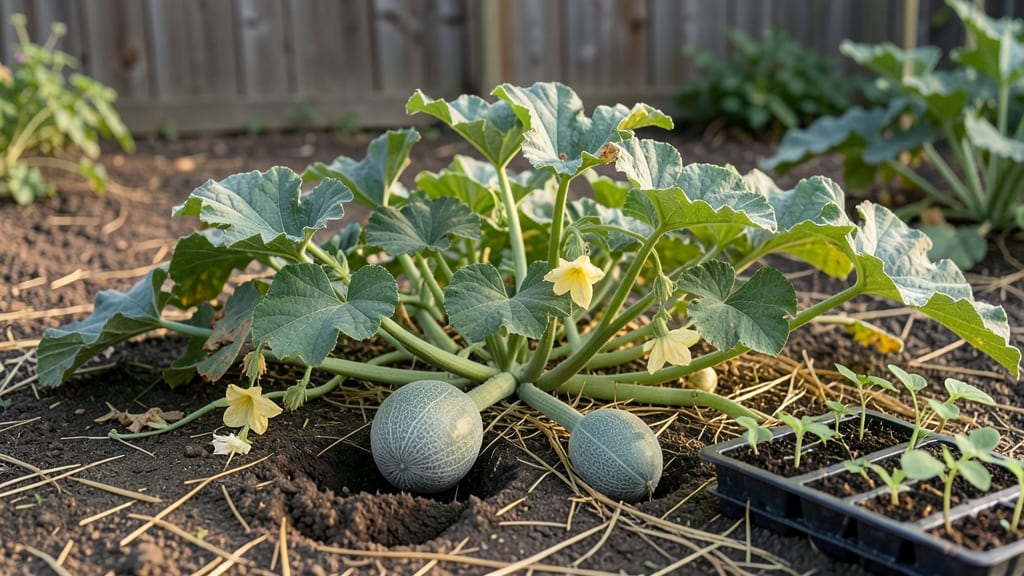
Timing your cantaloupe planting season right means the difference between sweet, juicy fruit and bitter disappointment 🍈—and in Zone 6, those 60 days to harvest fly by fast.
Picture this: you’ve waited all winter for that first ripe melon, only to find your vines struggling in cool soil or bolting too early. The secret? Planting when soil hits 70°F (21°C) and all frost risk has passed—typically mid-April to mid-May here.
Get it wrong, and you’re left with tough, seedy melons that taste more like disappointment than summer.
But here’s the good news: with the right prep—warm soil, proper spacing, and a little patience—you can turn your garden into a cantaloupe goldmine. Below, I’ll walk you through the exact steps to time your plantings like a pro, whether you’re a first-timer or a seasoned grower.
You’ll learn when to start seeds indoors (if you’re eager), how to read your soil’s temperature without a fancy thermometer, and the one spacing trick that keeps vines from competing for sweetness. Let’s get growing!
Best cantaloupe planting season by US climate zones
Cantaloupes thrive in warm weather, but planting them at the wrong time can lead to bitter fruit or wasted effort. The key is aligning your planting season with your USDA climate zone and soil temperatures—typically 70°F (21°C) or warmer.
In cooler zones, early varieties can help you beat the heat, while warmer climates may need shade to prevent bolting. Let’s break down the ideal planting windows by zone to maximize your harvest.
Your last frost date is the first rule of thumb, but cantaloupes also need consistent warmth. For example, in Zone 4, you’ll plant later than in Zone 10, where frost is rarely a concern.
Even a light frost can kill cantaloupe vines, so timing is everything. Below, you’ll find a detailed comparison to help you plan your planting season based on your location.
Pro Tip: Use a soil thermometer to confirm temperatures before planting. Cantaloupes won’t germinate well in cold soil, even if air temperatures are warm.
In Zones 4-5, where winters are harsh, opt for early-maturing varieties like 'Hale's Best' to avoid bolting before harvest. These zones require patience—planting too early risks frost damage, while waiting too long may shorten the growing season. A row cover can buy you extra weeks of warmth if needed.
For Zones 6-7, the window is wider, but don’t rush—soil must be warm enough to prevent slow germination. Test your soil with a thermometer; if it’s below 65°F (18°C), wait a week or two.
In these zones, staggered plantings every 2 weeks can extend your harvest into early fall.
Warmer climates like Zones 8-9 offer flexibility, but heat can also be a problem. Plant in early spring or late summer to avoid the peak of summer’s intensity. Use shade cloth during extreme heat to prevent bolting, where plants flower prematurely without setting fruit.
In Zones 10-11, frost is rarely a concern, but cantaloupes still need consistent warmth. Plant in winter or early spring for a summer harvest, or try a second crop in late summer for a fall harvest. These zones can even support year-round plantings in microclimates with irrigation and shade.
If you’re unsure about your zone, use the USDA Plant Hardiness Zone Map to find your exact location. Remember, cantaloupes need at least 75 days of warmth to mature, so plan accordingly.
For cooler zones, consider starting seeds indoors 4-6 weeks before the last frost to give them a head start.
Once your cantaloupes are planted, monitor soil moisture closely—consistent watering is critical during flowering and fruiting. Mulch around plants to retain moisture and regulate soil temperature, which helps prevent bitter fruit.
With the right timing, your cantaloupe vines will reward you with sweet, juicy fruit that’s the pinnacle of summer gardening. Happy planting! 🍈
How to extend the cantaloupe season for bigger harvests
Want to enjoy cantaloupe from early summer through fall? The key is strategic planting and season extension techniques. By starting seeds indoors, using protective covers, and staggering plantings, you can push your harvest window by 4-6 weeks—or even longer in cooler climates.
This approach also helps avoid the bitter, tough fruit that results when plants mature too quickly in hot weather.
Cantaloupes thrive in warm soil (70°F+) and need consistent warmth to develop sweetness. Without these conditions, vines bolt (send up flowers too fast) or produce small, flavorless fruit. The solution? Controlled environments and gradual exposure to outdoor conditions.
I’ve used these methods in my garden to extend my cantaloupe season by nearly two months—here’s exactly how.
- Start seeds indoors 4-6 weeks before your last frost date using heat mats (soil must stay at 85°F). Use biodegradable pots to avoid transplant shock.
- Hardening off seedlings over 7-10 days by placing them outside in partial shade for 2 hours daily, increasing exposure gradually.
- Use floating row covers after transplanting to protect from early frost and pests while allowing sunlight and airflow.
- Stagger plantings every 2 weeks for a continuous harvest—plant the first batch indoors, then follow with outdoor sowings as soil warms.
- Apply mulch (straw or black plastic) to retain soil heat and moisture, especially in cooler zones (USDA 4-6).
- Monitor for cucumber beetles and squash bugs—use neem oil or row covers during critical growth stages (flowering/fruiting).
One of my biggest mistakes was skipping the row covers in early spring. Without them, a late frost wiped out my first planting. Since then, I’ve made it a rule to keep covers on until nighttime temperatures stay above 55°F.
This simple step added 3 extra weeks to my harvest window last year. For even longer seasons, consider a low tunnel greenhouse—it can push your cantaloupe season into late October in many regions.
Don’t forget to prune suckers (the small shoots between the main vine and fruit) to direct energy toward fruit development rather than excessive vine growth. I prune mine when vines reach 12-18 inches long, which helps the remaining fruit grow larger and sweeter.
Pair this with drip irrigation to keep soil consistently moist without overwatering—another common pitfall that leads to blossom-end rot or cracked fruit.
For cooler climates (Zones 4-6), choose earlier maturing varieties like ‘Earlidew’ (58 days) or ‘Ambrosia’ (70 days). These varieties tolerate briefer warm spells better than long-season types. In warmer zones (7-11), you can plant successive batches every 3 weeks through early summer for a non-stop harvest until fall.
Just be mindful of overcrowding—cantaloupes need 3-4 feet of space per plant to thrive.
With these techniques, you’ll transform cantaloupe from a short-season crop into a long-lasting treat. My earliest harvests now come in June, and I’m still picking fruit in September—all while avoiding the bitter, tough fruit that plagues rushed plantings.
The secret? Patience and planning—just like any great garden! 🌱