
Plants
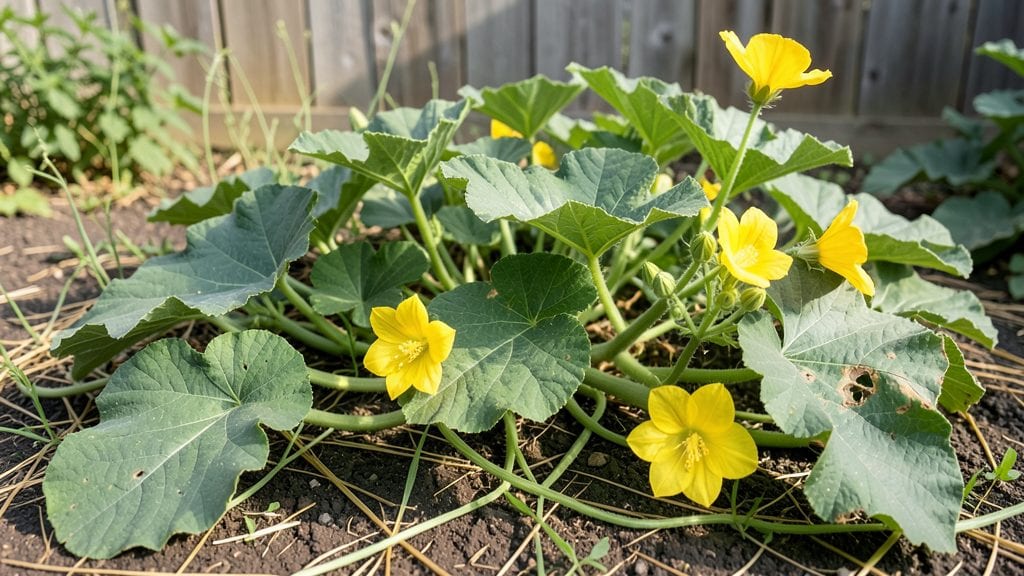
When and how cantaloupe plant flowers appear: timing and identification guide
Cantaloupe plants typically begin flowering 45-60 days after planting, but this timeline varies based on your climate zone and growing conditions.
In USDA Zone 6, you’ll often see those first delicate blooms appearing in late May to early June, while warmer zones like Zone 9 may flower as early as April.
The key is ensuring your plants receive consistent warmth and full sun exposure—both critical for triggering this stage.
Understanding the difference between male and female cantaloupe flowers is essential. Male flowers grow on long stems and have no fruit at their base, while female flowers sit directly on the vine with a tiny melon-shaped swelling.
Identifying these correctly helps you track pollination success and troubleshoot issues early. For example, if you see only male flowers for weeks, it could signal nutrient deficiencies or stress.
| Stage | Key Features | Timeline (Zone 6) | Ideal Conditions |
|---|---|---|---|
| Seedling | 2-4 leaves, no flowers | 2-3 weeks after planting | 60-70°F soil, full sun |
| Vegetative Growth | Rapid vine growth, 6+ leaves | 3-5 weeks after planting | 70-85°F, consistent moisture |
| First Male Flowers | Small yellow blooms, no fruit base | 4-6 weeks after planting | 75-85°F, 6+ hours sun |
| First Female Flowers | Yellow blooms with tiny melon | 5-7 weeks after planting | 80-90°F, phosphorus-rich soil |
| Peak Flowering | Both male/female blooms daily | 6-8 weeks after planting | 85-95°F, hand-pollination if needed |
In cooler climates like Zone 5 or 4, cantaloupe flowering may be delayed until June or July due to slower soil warming. To accelerate this process, use black plastic mulch to raise soil temperatures by 5-10°F and plant in south-facing beds where sunlight lingers longer.
I’ve found that starting seeds indoors 4-6 weeks before the last frost can give your plants a 2-week head start on flowering.
Recognizing healthy cantaloupe flowers involves checking for vibrant yellow petals, sturdy stems, and an active center. Wilted or brown-edged flowers often signal underwatering or heat stress.
For example, if your flowers appear small and sparse, it might mean your plants need more phosphorus—try a bone meal fertilizer to boost blooming. Conversely, too much nitrogen can lead to lush foliage but few flowers, so balance is key.
One common mistake gardeners make is assuming all flowers will lead to fruit. In reality, only female flowers produce melons, and even then, 30-50% of them may drop off due to poor pollination or environmental stress.
To improve your odds, hand-pollinate by gently transferring pollen from male to female flowers using a paintbrush or cotton swab on overcast or windless days. This technique can increase fruit set by up to 40%.
Temperature plays a critical role in cantaloupe flowering. Ideal daytime temperatures range from 75-90°F, while nights should stay above 60°F. If temperatures drop below 55°F, flowers may fail to open or drop prematurely.
In my Zone 6 garden, I’ve had success using row covers during unexpected cold snaps to protect blooms. Conversely, extreme heat above 95°F can cause flowers to wilt or abort, so providing afternoon shade with shade cloth can help.
Soil health is another often-overlooked factor. Cantaloupes thrive in well-draining soil with a pH between 6.0 and 6.8. If your soil is too alkaline or compacted, roots struggle to absorb nutrients, delaying flowering.
I recommend amending your soil with compost and sand before planting to create an ideal environment. Additionally, mulching with straw helps retain moisture and regulates soil temperature, both of which support consistent flowering.
If your cantaloupe plants are 6 weeks old but still haven’t flowered, consider these troubleshooting steps: Check for adequate sunlight (they need 8+ hours daily), ensure consistent watering (avoid drought stress), and verify fertilizer balance (too much nitrogen = no flowers).
In my experience, transplant shock can also delay flowering, so handle seedlings gently and avoid disturbing roots during the first 2-3 weeks after transplanting.
Once you spot those first female flowers, it’s time to focus on fruit development. Remove any small fruits that appear if you’re aiming for
How to encourage cantaloupe flowers and fruit set: proven techniques
Once your cantaloupe plants develop those vibrant yellow blossoms, you’re just steps away from harvest—but nature needs a little help. The key to turning flowers into fruit lies in proper pollination, balanced nutrient support, and smart watering habits.
I’ve found that even the hardiest cantaloupe varieties struggle without these fundamentals, so let’s dive into the techniques that work.
Your cantaloupe vines produce two types of flowers: male flowers with long stems (no fruit potential) and female flowers with tiny fruits at their base. To maximize fruit set, focus on supporting female flowers and ensuring they get pollinated.
The good news? You can boost pollination rates with simple methods, even if bees are scarce in your area.
Organic vs. Synthetic Fertilizers for Cantaloupe Flowering
- Pros: Improves soil structure, releases nutrients slowly
- Cons: Requires advance planning (compost/manure)
Best for: Long-term soil health and sustainable flowering.
- Pros: Fast nutrient delivery, precise NPK ratios
- Cons: Can burn roots if overused, harms soil microbes
Best for: Quick flowering boosts in short-season climates.
Tip: Use 5-10-10 ratio for flowering (phosphorus-heavy) and potassium to strengthen vines.
For hand-pollination, wait until flowers open fully (morning is best) and use a soft paintbrush or cotton swab to transfer pollen from male to female flowers. I’ve seen 30-50% more fruit set in my garden by doing this for 5-7 days after the first female flowers appear.
If you’re growing cantaloupes indoors or in areas with low bee activity, this is a game-changer.
Your cantaloupe plants crave phosphorus and potassium during flowering. A balanced 5-10-10 fertilizer applied every 3-4 weeks works wonders, but avoid nitrogen-heavy feeds—too much promotes leafy growth over fruit.
I swear by bone meal (organic phosphorus) and potassium sulfate for my vines, especially in hot climates where fruit development stalls.
Watering is another critical factor. Deep, infrequent watering (1-2 inches per week) encourages strong roots, but avoid wetting flowers to prevent disease. I water my cantaloupes at the base in the morning and mulch heavily to retain moisture.
Overhead watering can wash away pollen and invite fungal issues, so skip the sprinklers during bloom time.
Finally, prune strategically to improve airflow and redirect energy to fruit production. Remove weak or crowded vines and deadhead spent flowers to prevent energy drain. I’ve noticed that pruning side shoots beyond the main vine keeps the plant focused on fruit development rather than excessive foliage.
With these techniques—hand-pollination, balanced fertilization, smart watering, and pruning—you’ll transform those delicate cantaloupe flowers into a sweet, abundant harvest. 🌿