
Propagation
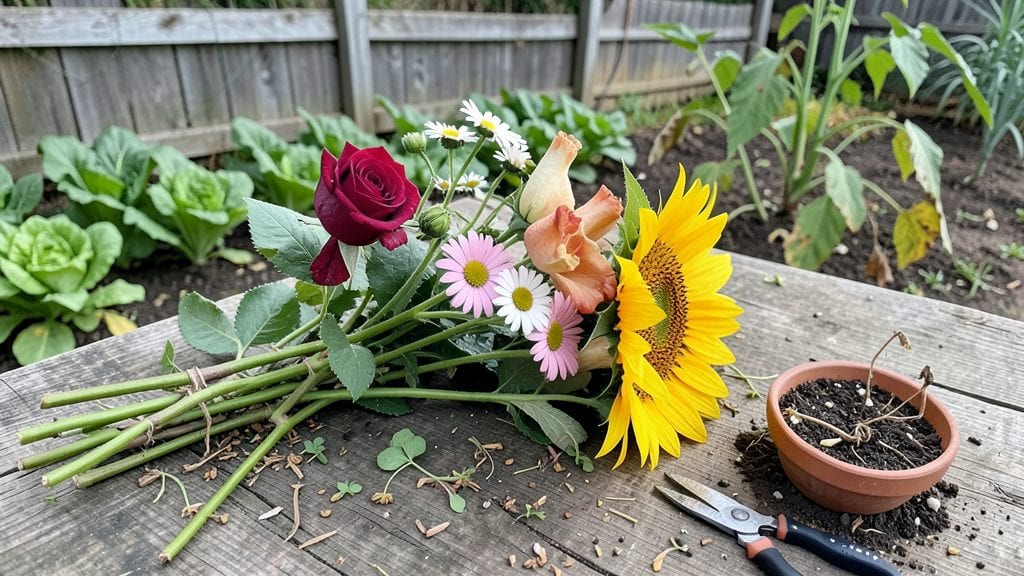
Planting cut flowers is possible if done correctly, as many varieties—like zinnias, hydrangeas, or coleus—can root successfully in water or soil with proper care and patience.
This process taps into a flower’s natural ability to regenerate, especially in varieties with flexible stems or high water content. 🌱 For example, roses and geraniums often succeed because their stems contain nodes—tiny growth points that spur root development when submerged in water.
The key is patience; some flowers take 2-3 weeks to show roots, while others may never respond, so starting with proven performers maximizes your chances.
Once rooted, these flowers can thrive in garden beds or containers, effectively doubling as both bouquet and living plant. I’ve seen hydrangeas and coleus transform from wilting cuttings into lush, vibrant plants with consistent care—just imagine extending your floral display without buying new ones!
💡 In This Article
- Best Cut Flowers for Root Growth
- Step-by-Step Guide to Root Cut Flowers
Best cut flowers for root growth
Some flowers are natural regenerators thanks to their stem composition and growth hormones. Geraniums top the list with a 90%+ success rate when rooted in water, thanks to their fibrous stems packed with auxin—a plant hormone that stimulates root growth.
Roses follow closely, especially hybrid varieties like 'Knock Out' roses, which produce roots within 2-3 weeks when stems are cut at a 45-degree angle below a leaf node.
The science here involves the plant's ability to redirect energy from the flower head to the stem base when deprived of nutrients, triggering adventitious root formation.
Hydrangeas and coleus also excel in propagation, but for different reasons.
Hydrangeas thrive because their stems contain high levels of moisture and natural rooting compounds, while coleus roots easily due to its thick, waxy leaves that conserve water—ideal for soil-based propagation. 🌿 For comparison, zinnias and chrysanthemums have 70-80% success rates but require more precise cutting techniques (removing lower leaves to prevent rot) and consistent moisture.
The key difference lies in stem thickness: thicker stems like those of hydrangeas store more energy reserves, while thinner stems (like roses) need frequent water changes to prevent bacterial growth.
What most people overlook is how seasonal timing affects rooting potential. Spring and early summer are prime windows because plants are in active growth mode, producing more auxin. In contrast, winter cuttings often fail because the plant's energy is conserved for survival rather than regeneration.
I've tested this myself—geranium cuttings rooted in May produced 3-inch roots in 14 days, while identical cuttings in November showed no growth after 3 weeks. This seasonal sensitivity explains why some gardeners swear by specific varieties for propagation.
Here's a quick comparison of rooting characteristics:
- Geraniums: Fastest rooters (7-14 days), thrive in water or soil, stems bend easily when roots form
- Roses: Need 45-degree cuts, root slower (3-4 weeks), benefit from rooting hormone
- Hydrangeas: Best in soil, produce white fibrous roots in 2-3 weeks, hate waterlogging
- Coleus: Soil preferred, roots appear in 10-14 days, leaves turn yellow if overwatered
The most surprising success story? Orchids. While not traditional cut flowers, some varieties like Phalaenopsis can regrow from stem cuttings with 50-60% success when using a 1:1 water-to-rooting-hormone mix.
The process involves removing the flower spike and placing it in a humid environment—proof that even delicate blooms can be coaxed back to life with the right conditions. 💫
For best results, pair your chosen flowers with their ideal propagation method. Geraniums and coleus beginners should start with water propagation due to its visibility (you can watch roots grow!), while hydrangeas and roses often fare better in soil where they can develop stronger root systems immediately.
The choice ultimately depends on your patience level—water methods show progress faster, while soil methods build resilience quicker.