
Neem Oil
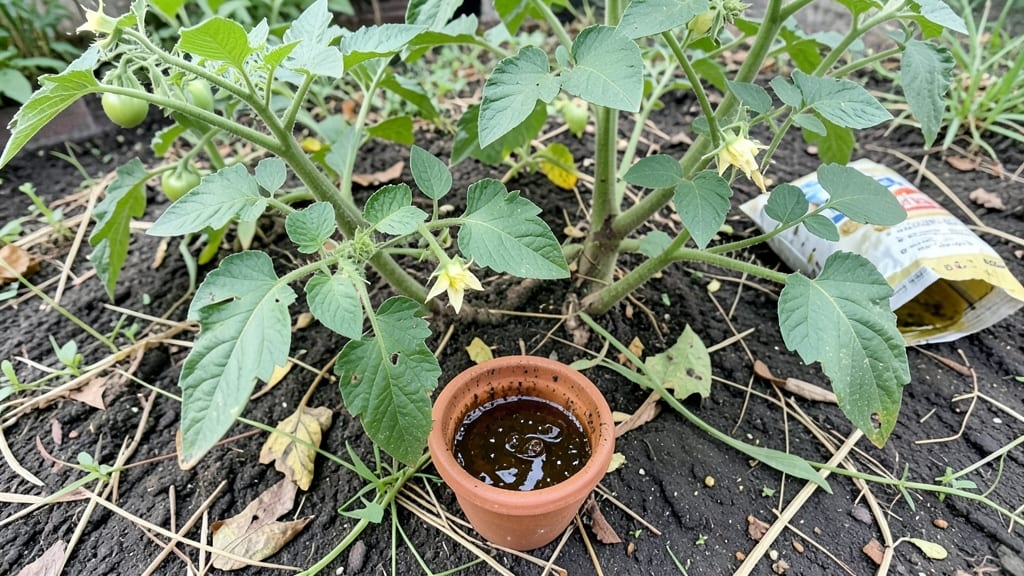
Neem oil can be used on tomato plants safely as an organic pesticide and fungicide when diluted properly—apply at dusk or dawn to avoid harming bees, and use no more than 1 tablespoon per gallon of water every 7-14 days to prevent phytotoxicity or overapplication risks.
Neem oil’s natural compounds—like azadirachtin—act as a double threat to tomato pests by disrupting insect hormones and starving fungal growth, making it a garden superhero for organic growers. 🌱 Unlike harsh chemicals, it’s gentle on plants but requires precision: overuse can stress your tomatoes, so I always mix it with a bit of mild soap (like Castile) to help it stick to leaves and work faster.
Timing is everything—spraying during peak sun can burn leaves, while early morning or evening applications let the oil settle without harming pollinators. I’ve found that pairing neem oil with companion plants like basil or marigolds around tomato beds creates a pest-repelling ecosystem that cuts down on repeat treatments.
💡 In This Article
- How Neem Oil Works Against Tomato Plant Pests and Diseases
- Best Practices for Applying Neem Oil to Tomato Plants
How neem oil works against tomato plant pests and diseases
The real power of neem oil lies in its active compound, azadirachtin, which acts like a biological disruptor for pests. This limonoid compound interferes with insect hormones, preventing them from molting properly and ultimately starving their appetite.
For example, aphids and whiteflies—common tomato nuisances—ingest azadirachtin, which blocks their ability to feed effectively, leading to population decline within 3-5 days of exposure. Unlike synthetic pesticides that kill on contact, neem oil works more like a slow-acting metabolic poison, making it safer for beneficial insects when used correctly.
Neem oil also contains triterpenoids and salannin, which create a protective film on plant surfaces that repels insects and inhibits fungal spores. This is why it’s effective against early blight, a fungal disease that causes dark spots on tomato leaves.
The oil’s fungicidal properties work by disrupting the cell membranes of fungal spores, preventing them from germinating. Studies show that neem oil can reduce early blight severity by up to 70% when applied preventatively, compared to 30-40% for synthetic fungicides like copper sprays, which often leave harmful residues.
Here’s what happens at the cellular level: azadirachtin binds to insect receptors, mimicking juvenile hormones and preventing normal development. For whiteflies, this means their larvae fail to mature into adults, breaking their life cycle.
Meanwhile, the oil’s fatty acids create a suffocating barrier for fungal spores, similar to how cooking oil seals a pot’s surface. This dual action makes neem oil a versatile defense, unlike synthetic pesticides that target only one type of pest or pathogen at a time.
The key advantage of neem oil is its selective toxicity. While it disrupts harmful insects, it doesn’t kill bees or ladybugs—the natural predators of tomato pests—when applied at the recommended 1 tablespoon per gallon dilution.
In contrast, neonicotinoids (a common synthetic pesticide) are neurotoxins that harm bees at even trace levels. Neem oil’s safety margin is why organic gardeners prefer it: it’s like using a scalpel instead of a sledgehammer in your garden’s ecosystem.
However, neem oil’s effectiveness drops in direct sunlight, which causes the active compounds to degrade within 4-6 hours. That’s why timing your application to dawn or dusk is critical—it gives the oil time to absorb before UV rays break it down.
This photodegradation also means you shouldn’t mix neem oil with other UV-sensitive additives, like some essential oils, which could reduce its potency by up to 50%.
For fungal diseases like early blight, neem oil’s preventive power shines when applied every 7-10 days during humid conditions. The oil’s film creates a hydrophobic layer that repels water, reducing the conditions fungi need to thrive.
Think of it like applying sunscreen to your skin—consistent application prevents damage before it starts. Unlike copper fungicides, which can build up in soil and harm microbes, neem oil breaks down naturally, leaving no long-term harm to your garden’s soil ecosystem.
What most gardeners don’t realize is that neem oil’s scent—often described as bitter and earthy—also plays a role in pest control. The strong aroma deters insects like spider mites, which avoid areas where neem oil has been applied.
It’s a multi-sensory defense: the chemical disruption + physical barrier + olfactory repellent create a three-pronged attack that synthetic pesticides simply can’t match. 🌿