
Pests
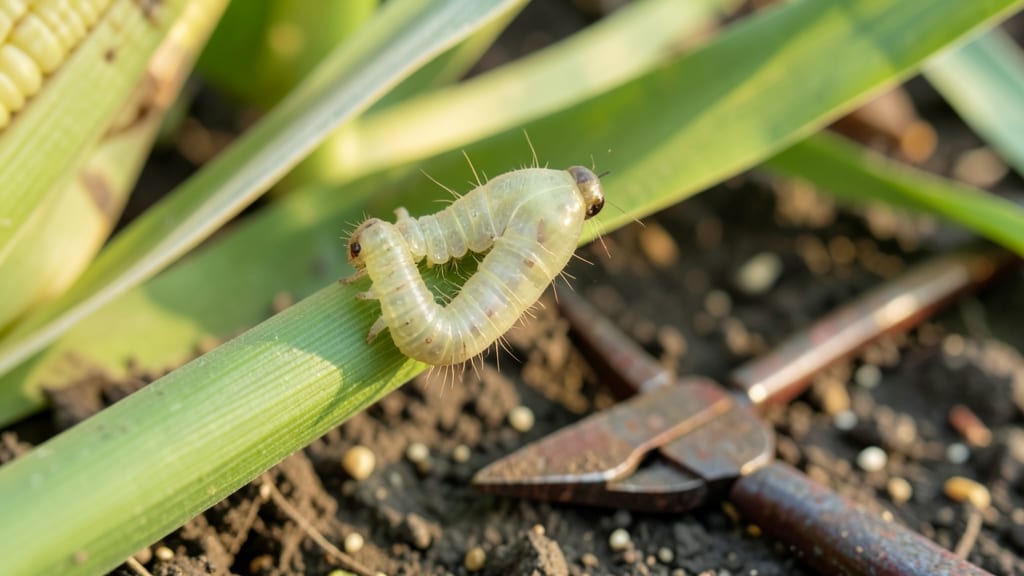
Bugs on corn plants can turn your golden harvest into a sad, chewed-up mess if you don’t act fast. I’ve watched entire ears get destroyed by tiny pests, and the key to saving your crop is knowing exactly what’s attacking—and how to stop it before the damage spreads.
Corn earworms, rootworms, and aphids each leave their own telltale signs, and the fixes aren’t one-size-fits-all.
The worst offenders don’t just nibble—they ruin the whole plant. Earworms burrow into silks, rootworms gnaw on stems, and aphids drain leaves, leaving corn stunted and weak. The good news?
Most of these pests can be beaten with simple, organic methods—like handpicking, neem oil, or even a few strategic companion plants. I’ve tried them all, and some work faster than you’d think.
You’ll learn to spot the early warning signs—chewed leaves, wilted stalks, or tiny holes in husks—and act before the bugs multiply. With the right approach, your corn can go from struggling to thriving in just a few weeks. Let’s get your plants back on track.
This works for backyard gardens, raised beds, or even container-grown corn—no matter how your plants are growing, the fixes are adaptable. The goal? A harvest full of plump, pest-free ears. Ready to take action?
Root Causes of Corn Plant Infestations
When tiny invaders start feasting on your corn plants, it’s rarely a random attack—there’s usually a specific reason why these pests have chosen your field. Understanding the why behind the infestation is the first step to stopping it before it ruins your harvest.
Below, we break down the most common triggers, from environmental factors to crop management mistakes, so you can address the problem at its source.
Corn is a heavy feeder, and planting it in the same spot year after year depletes the soil of nutrients while leaving behind pest eggs, larvae, or disease spores.
Many corn pests, like the corn rootworm or European corn borer, thrive in fields where their previous generations left behind hidden threats.
- How it happens: Without rotation, pests build up in the soil, and their populations explode when fresh corn plants appear.
- Actionable fix: Rotate crops with non-host plants like soybeans, alfalfa, or clover to break the pest life cycle. Aim for a 3-year rotation minimum.
- Pro tip: 💡 If rotation isn’t possible, try cover crops like rye or buckwheat to disrupt pest habitats.
Corn pests love humidity and heat—ideal conditions for rapid reproduction. Warm nights and frequent rainfall create the perfect breeding ground for insects like the fall armyworm or corn earworm, which can multiply exponentially in weeks.
- How it happens: Stagnant water in fields or dense plantings trap moisture, signaling pests that it’s time to lay eggs.
- Actionable fix:
- Improve drainage to reduce standing water.
- Use mulch to regulate soil temperature and moisture.
- Monitor weather forecasts and apply early-season insecticides if prolonged warmth is predicted.
- Pro tip: 🌡️ Plant corn slightly earlier or later in the season to avoid peak pest activity during the most vulnerable growth stages.
Stressed corn plants are like neon signs for pests. Whether from nitrogen deficiency (yellowing leaves) or over-fertilization (weak stems), imbalanced nutrition weakens the plant’s natural defenses, making it an easy target for chewers and suckers.
- How it happens:
- Under-fertilized soil leads to stunted growth, giving pests like corn leaf aphids a feast on tender new shoots.
- Over-fertilized soil can cause sap-sucking insects to flock to the plant’s sugary secretions.
- Actionable fix:
- Test soil before planting and adjust pH (ideal: 6.0–6.8 for corn).
- Use balanced fertilizers (e.g., 10-10-10) and avoid excessive nitrogen late in the season.
- Apply compost or organic matter to improve soil health naturally.
- Pro tip: 📊 Use foliar sprays with silica to strengthen plant cell walls and deter pests.
Cornfields aren’t the only buffet for pests—weeds and volunteer crops (like last year’s corn stalks) provide shelter and food for insects, allowing them to multiply before moving to your main crop. Pests like the corn earworm and grubs often hitch a ride from nearby weeds or debris.
- How it happens: Weeds host alternative food sources and hide pest eggs or larvae until corn emerges.
- Actionable fix:
- Mow or till fields before planting to eliminate weed hosts.
- Use pre-emergent herbicides to prevent weed regrowth.
- Remove corn stalks and debris after harvest to eliminate overwintering sites.
- Pro tip: ✨ Plant cover crops like winter rye to smother weeds naturally between seasons.
Some pests are simply seasonal visitors, arriving in waves based on their biological clocks. For example:
- European corn borer: Emerges in late spring to early summer, timing its attack with corn’s tasseling phase.
- Fall armyworm: Peaks in late summer when corn is silking, drawn by the plant’s sweet exudates.
- Corn rootworm: Larvae hatch in early summer, attacking roots when corn is most vulnerable.
How it happens: If you’re not aware of these cycles, you might miss the window for preventive action.
Actionable fix:
- Use scouting calendars to time interventions (e.g., apply Bt corn or insecticides at peak egg-laying periods).
- Set up pheromone traps early in the season to monitor pest activity.
- Rotate Bt traits in seeds to delay resistance development in pests like the corn borer.
Pro tip: 🎯 Interplant corn with marigolds or basil—some herbs repel pests naturally during critical growth stages.
Practical fixes for corn plant pests
When bugs invade your corn plants, acting fast is key to protecting your crop. Below are targeted solutions for the most common pests, along with prevention tips to keep your plants healthy and thriving. Each approach is designed to be effective, easy to implement, and safe for your garden.
These sneaky caterpillars tunnel into corn ears, causing irreversible damage. Here’s how to stop them:
- 🔥 Use pheromone traps: Place traps near your cornfield to monitor and reduce adult moth populations. Replace lures every 2-4 weeks for maximum effectiveness.
- 🍳 Handpick eggs and larvae: Inspect corn silks daily (especially in the evening) and remove any eggs or small caterpillars you find. Drop them into soapy water to kill them instantly.
- 👨🍳 Apply organic sprays: Spray Bacillus thuringiensis (Bt) (a natural bacteria) on corn silks when tassels emerge. Reapply every 7-10 days if rain washes it away.
- 🌡️ Time your harvest: Pick corn early if earworms are a recurring issue. Immature ears are less appealing to moths.
These beetles chew through roots, stunting plants and reducing yields. Try these methods:
- 🔪 Rotate crops: Avoid planting corn in the same spot year after year. Rootworms thrive in corn residue, so rotate with non-host plants like soybeans or alfalfa.
- 🌱 Use trap crops: Plant a small patch of corn early in the season as a "decoy." Rootworms will infest it first, leaving your main crop relatively untouched.
- 💡 Apply neonicotinoid seed treatments: Treat corn seeds with neonicotinoids before planting to deter rootworms. Follow label instructions carefully for safety.
- 🎯 Introduce beneficial nematodes: Soil-dwelling Heterorhabditis bacteriophora nematodes attack rootworm larvae. Apply them in early summer when larvae are active.
These tiny pests suck sap from leaves, causing yellowing and stunted growth. Fight back with these strategies:
- 💦 Spray with water: Blast aphids off plants with a strong stream of water in the early morning. Repeat every 3-4 days for severe infestations.
- 🌿 Use insecticidal soap: Mix 1-2 tablespoons of mild liquid soap with 1 quart of water. Spray directly on pests (avoid hot sun to prevent leaf burn).
- 🐝 Encourage predators: Ladybugs, lacewings, and parasitic wasps love aphids. Plant nearby flowers like marigolds or dill to attract them.
- 🌡️ Mulch with reflective materials: Cover the soil with aluminum foil or reflective mulch to disrupt spider mite life cycles. Reapply after rain.
An ounce of prevention is worth a pound of cure. Implement these habits to minimize future infestations:
- 🌱 Plant resistant varieties: Choose corn hybrids bred to resist common pests, like Bt corn or varieties resistant to specific diseases.
- ⏰ Monitor regularly: Inspect plants weekly for early signs of pests (eggs, chewed leaves, or honeydew). Catch problems before they spread.
- 🌿 Maintain garden hygiene: Remove crop residue after harvest and till the soil to eliminate overwintering pests.
- 🌿 Use row covers: Protect young plants with fine mesh netting to block flying insects until they’re established.
With these solutions, you’ll be well-equipped to tackle bugs on your corn plants and safeguard your harvest. Stay proactive, and your corn will thrive! 🌽✨
Frequently asked questions
What are the most destructive bugs that attack corn plants?
The worst offenders include corn earworms (which burrow into ears), corn rootworms (that chew roots), and fall armyworms (which devour leaves). Aphids and spider mites also cause significant damage by draining plant sap. Identifying these pests early is key to saving your harvest.
How do I tell if my corn plants have pests?
Look for chewed leaves, wilted stalks, or tiny holes in husks. Earworms leave silk clippings near the ear, while rootworms cause stunted growth and wilting. Aphids often leave sticky honeydew on leaves. Check plants weekly during peak pest seasons.
Can I use homemade sprays to kill bugs on corn?
Yes! Mix 1 tablespoon of mild liquid soap with 1 quart of water for aphids, or use neem oil spray (1 teaspoon oil + 1 quart water) for earworms. Spray in the early morning to avoid leaf burn. Always test sprays on a small area first.
Will companion planting really keep bugs away?
Planting marigolds, basil, or nasturtiums near corn repels many pests naturally. These herbs mask corn's scent and attract beneficial predators like ladybugs. Try interplanting for best results.
How late in the season can I still treat corn for pests?
You can treat right up until harvest, but focus on organic methods like handpicking or neem oil that won't leave residues. Avoid chemical sprays within 2-3 days of picking corn. Always follow label instructions for safety.