
Plants
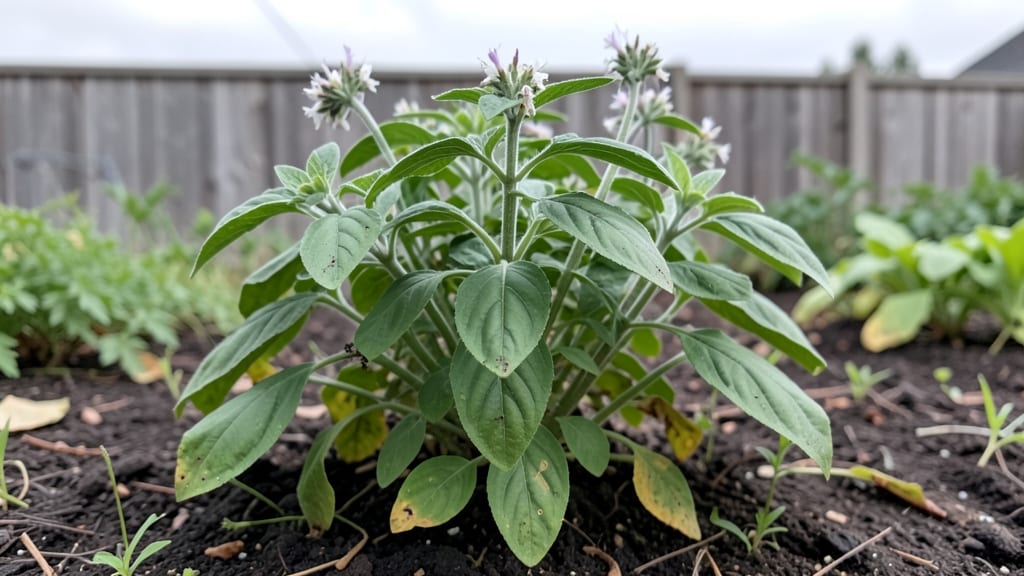
Growing a boxwood basil plant 🌿 means bringing a fragrant, compact herb into your garden or windowsill that stays lush all season long.
You’ve probably seen traditional basil wilt under summer heat or bolt too fast, but this variety plays by its own rules—staying bushy, flavorful, and ready for harvest from spring through fall. The secret? A little extra care in soil prep, watering, and knowing exactly when to pinch those stems.
If you’ve ever struggled with basil that turns bitter or flops over, this guide flips the script with simple, science-backed tips for keeping your boxwood basil thriving. We’ll cover everything from the right pot size to pruning tricks that boost harvests.
By the end, you’ll have a self-sustaining herb garden that tastes better than store-bought and never lets you down—no green thumb required.
Boxwood basil plant care guide: soil, light, and watering essentials
Boxwood basil stands out with its compact, bushy growth and intense flavor, making it a favorite for container gardens and kitchen windowsills. Unlike traditional basil, it thrives in partial shade while still delivering that signature aromatic punch.
To unlock its full potential, focus on three critical factors: well-draining soil, optimal sunlight exposure, and consistent moisture control. These elements work together to create the perfect environment for lush, productive plants.
One of my favorite tricks is using a custom soil blend that mimics its natural habitat. Boxwood basil despises soggy roots, so I always mix 50% potting soil with 30% perlite and 20% compost.
This combination ensures aeration and drainage while providing essential nutrients. For containers, I add a layer of gravel at the bottom to prevent waterlogging—a common mistake that leads to root rot.
The summary table below breaks down the essential care requirements for boxwood basil, so you can visualize the perfect growing conditions at a glance.
When it comes to light exposure, boxwood basil is more flexible than its traditional cousins. While it loves full sun for maximum flavor, it also thrives in partial shade, especially in hotter climates where afternoon sun can scorch leaves.
I’ve found that placing plants in morning sun with afternoon shade yields the best results—lush growth without leaf burn. For container growers, a south-facing window or grow lights (6-8 hours daily) works perfectly.
Watering is where many gardeners trip up. Boxwood basil needs consistent moisture but hates soggy soil. I water mine every 2-3 days in summer, checking the top inch of soil first—if it’s dry, it’s time to water.
In containers, I increase frequency to daily during heatwaves since pots dry out faster. A pro tip: water at the base of the plant in the morning to prevent fungal issues from evening moisture.
Humidity plays a surprising role in boxwood basil’s health. In dry climates, I increase humidity by placing a pebble tray with water beneath containers or misting leaves lightly in the morning.
Avoid overhead watering at night, as this encourages powdery mildew. For indoor growers, a humidifier nearby can make all the difference, especially during winter when indoor air gets dry.
One common mistake I see is overcrowding plants. Boxwood basil needs 6-12 inches of space between stems to circulate air properly. Poor airflow leads to fungal diseases and stunted growth.
When planting, space seedlings 8-10 inches apart and thin seedlings to avoid competition. For containers, I use 5-gallon pots for single plants or 7-gallon pots for multiple stems.
To keep your boxwood basil thriving, monitor its leaf color as a health indicator. Dark green, glossy leaves mean optimal conditions, while yellowing suggests overwatering or nutrient deficiency.
Brown edges? That’s usually low humidity or salt buildup from tap water. Always use room-temperature water and consider a rainwater collection system for the best results.
With these soil, light, and watering essentials mastered, your boxwood basil will reward you with year-round greenery and bold, fresh flavor. The key is consistency—stick to the care routine, and you’ll enjoy a productive herb garden that’s as beautiful as it is useful. Happy growing!
How to prune and harvest boxwood basil for maximum yield
Pruning your boxwood basil isn’t just about keeping it tidy—it’s the secret to a bushier plant with continuous harvests. When done right, regular pruning encourages lateral growth and prevents leggy stems, while proper harvesting ensures your plant stays productive.
The key? Timing and technique. I’ve found that morning pruning (when leaves are dry) yields the best results and keeps pests at bay.
Start pruning once your boxwood basil reaches 6-8 inches tall—this is when it’s ready for its first haircut. Use clean, sharp pruners to avoid damaging stems, and always cut just above a leaf node.
This simple step signals the plant to branch out, giving you more leaves for harvests. Over time, you’ll notice a fuller, more compact plant that’s perfect for containers or garden beds.
Step-by-Step Pruning & Harvesting Guide
- Step 1: Wait until your boxwood basil has 6-8 true leaves and is 6-8 inches tall before pruning.
- Step 2: Use sterilized pruners to cut just above a leaf node (where leaves grow). This encourages branching.
- Step 3: Remove flower buds as soon as they appear—they drain energy from leaf production.
- Step 4: Harvest outer leaves first to promote new growth from the center. Pinch stems between your fingers for small leaves.
- Step 5: Repeat pruning every 2-4 weeks during the growing season to maintain shape and yield.
When harvesting, focus on leaf-only cuts for ongoing growth. For stem harvests, cut just above a node and use the stems in teas or pest-repellent sprays. I’ve found that harvesting every 2-3 weeks keeps my plants thriving, while neglecting pruning leads to woody stems and fewer leaves.
In late summer, reduce pruning to let the plant focus on storing energy for next year’s growth.
Seasonal adjustments are crucial for year-round production. In spring, prune aggressively to encourage new growth after the last frost. During summer’s heat, increase watering and prune more frequently to prevent stress.
By fall, taper off pruning to prepare the plant for dormancy or harvest remaining leaves before the first frost. This rhythm keeps your boxwood basil productive from early summer to frost.
One common mistake I see is over-pruning, which stresses the plant. Limit cuts to one-third of the plant’s height at a time, and always leave at least 4-6 leaves per stem. Another tip: rotate your plant occasionally to ensure even sunlight exposure, which prevents lopsided growth.
With these techniques, you’ll enjoy a bushy, flavorful boxwood basil that’s ready for harvest all season long.
For container-grown basil, pruning is even more critical since space is limited. Use smaller pruning cuts and harvest more frequently to keep the plant compact. In ground beds, you have more leeway, but the same principles apply—prune to encourage bushiness and harvest regularly.
With patience and practice, your boxwood basil will reward you with abundant, aromatic leaves all season.