
Vegetables
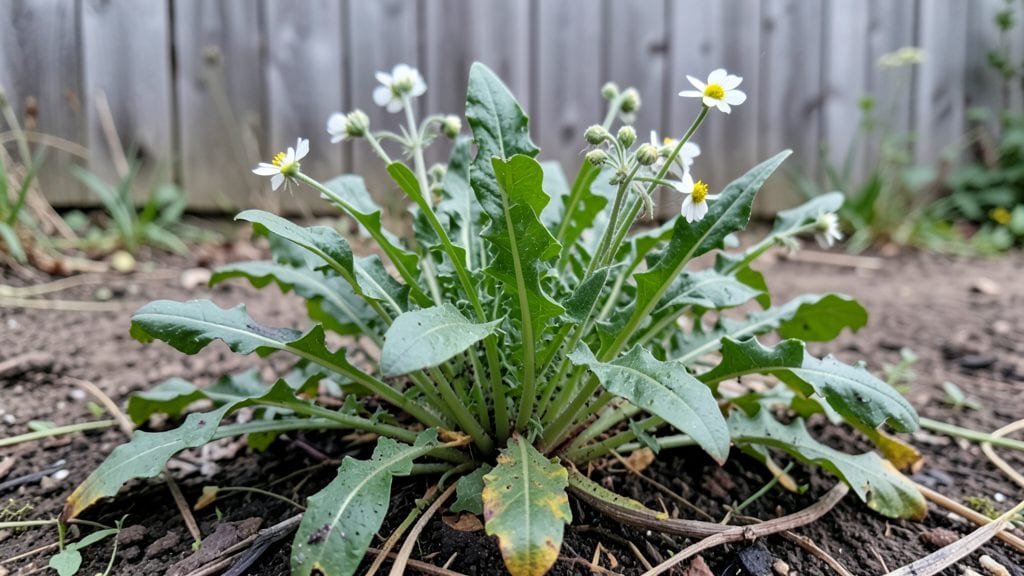
Your arugula plant’s flowers might look pretty, but they’re actually the enemy of your leafy harvest—removing them at the right time keeps your 🌱 greens thriving all season.
Those delicate white blooms signal your plant is shifting energy from leaves to seeds, which means fewer tender greens for you. I’ve seen gardeners mistake flowers for a sign of success, only to watch their harvests dwindle.
The secret? Pinch them off early to redirect that energy back to the leaves you actually want to eat.
Here’s what you need to know: why flowering happens, how to remove those blooms without harming the plant, and whether those flowers can even be used in cooking. Spoiler: they’re edible, but your leaves will thank you if you skip them.
By the end, you’ll know exactly when to prune for maximum growth and how to keep your arugula producing fresh, peppery leaves for weeks longer.
Why arugula flowers signal it's time to prune for better leaf production
Arugula plants produce those delicate white flowers as a natural response to environmental triggers, signaling a shift in their growth priorities. When your arugula bolts—sending up flower stalks—it’s not just a pretty sight; it’s a biological cue that the plant is redirecting its energy.
This process, called bolting, happens when arugula senses long daylight hours or rising temperatures, typically in late spring or early summer. Without intervention, those flowers will mature into seeds, leaving your once-lush leaves bitter and tough.
The moment you spot arugula flowers, your plant is prioritizing reproduction over leaf production. This is because flowering triggers the plant to produce seed pods instead of tender, peppery leaves. The energy that once fueled leaf growth now fuels the development of flowers and seeds.
For gardeners, this means fewer harvests and a shorter window for enjoying fresh arugula. Understanding this shift helps you act quickly to preserve your crop.
Removing arugula flowers redirects the plant’s energy back to leaf production, giving you a second chance at a bountiful harvest. When you prune the flower stalks, you’re essentially telling the plant, “Keep growing leaves, not seeds!”
This technique is especially useful for heat-sensitive varieties like ‘Astro’ or ‘Sylvetta’, which bolt quickly in warm weather. By cutting back the flowers, you can extend your harvest window by 2-4 weeks, depending on growing conditions.
Temperature plays a critical role in bolting. Arugula is a cool-season crop, and when daytime temperatures rise above 75°F (24°C), it triggers the flowering process. Even a single hot day can accelerate bolting, especially in young plants.
If you’re growing arugula in summer months, provide afternoon shade to delay flowering and keep your plants focused on leaf growth. This simple adjustment can make a huge difference in your harvest.
Light exposure also influences when arugula flowers. While arugula thrives in partial shade, too much direct sunlight—especially in hot climates—can speed up bolting. If your plants are receiving more than 6 hours of sunlight daily, consider relocating them to a shadier spot or using shade cloth.
This small change can help maintain optimal growing conditions and delay the onset of flowers.
Plant maturity is another key factor. Older arugula plants are more likely to bolt than younger ones. If you’re growing arugula from seed, succession planting—sowing new seeds every 2-3 weeks—ensures a steady supply of young, tender leaves.
This strategy keeps your plants in the vegetative stage longer, giving you a longer harvest window before flowering becomes an issue.
Once arugula starts flowering, the leaves often become bitter and fibrous, making them less enjoyable to eat. The peppery flavor that makes arugula so beloved fades as the plant shifts its focus to reproduction.
By removing the flowers promptly, you preserve that tender, crisp texture and extend the time you can enjoy fresh harvests. This is particularly important for gardeners who rely on arugula for salads and garnishes.
Understanding the biology behind bolting empowers you to make informed decisions in your garden. Arugula flowers aren’t just a sign of maturity—they’re a signal that your plant is changing its priorities.
By acting quickly and redirecting its energy, you can keep your arugula producing delicious leaves for weeks longer than if you ignore the flowers. This simple pruning technique is one of the easiest ways to maximize your harvest and enjoy fresh arugula all season long.
If you’re growing arugula in containers, pay extra attention to flowering cues. Container-grown arugula often bolts faster due to limited root space and exposure to heat. Regularly check your plants and remove any flower stalks immediately.
This proactive approach ensures you get the most out of your container garden and avoid disappointment when your arugula suddenly stops producing leaves.
In summary, arugula flowers are a natural part of the plant’s life cycle, but they mark a turning point in its growth. By recognizing the signs of bolting—tall stems, white flowers, and small seed pods—you can take action to preserve your harvest.
With the right timing and techniques, you’ll enjoy a steady supply of fresh, tender arugula leaves long after your neighbors’ plants have bolted.
Step-by-step guide: how to remove arugula flowers without harming the plant
Removing arugula flowers might seem counterintuitive—after all, they’re a natural part of the plant’s life cycle. But those delicate white blooms signal your plant is shifting energy from leaf production to seed development. Pinching them off redirects resources back to your peppery greens, keeping your harvest abundant.
The key is timing and technique to avoid stressing your arugula plants while maximizing regrowth.
I’ve found that morning pruning is ideal because the plant’s cell turgor is highest, making it easier to handle without damaging stems. Plus, removing flowers early in the day gives your arugula plenty of time to recover before evening temperatures drop.
Whether you use your fingers or clean pruning shears, the goal is to be gentle yet decisive—arugula is resilient, but rough handling can invite pests or disease.
How to Remove Arugula Flowers Safely
- Gather your tools: Wear garden gloves (optional) and use either clean pruning shears or your fingers for small flowers.
- Choose the right time: Prune in the early morning when the plant is hydrated and flowers are fully open.
- Locate the flower stem: Find the main flower stalk (often white or pale green) emerging from the leaf rosette.
- Pinch or cut: Use your thumb and forefinger to pinch off the flower stalk just above a leaf node (where leaves grow). For larger stalks, use sterilized shears to avoid tearing.
- Remove secondary buds: Check for smaller side buds and pinch those off too—they’ll develop into more flowers if left unattended.
- Dispose of flowers: Toss the removed flowers in your compost bin (they won’t regrow if composted properly).
- Monitor regrowth: Within 7–10 days, new leaves should emerge from the leaf axils where you pinched.
🌱 Pro Tip: If your arugula bolts multiple times, consider harvesting the outer leaves first to reduce stress on the plant.
After removing the flowers, your arugula plants will redirect their energy toward producing more leaves. I’ve seen regrowth within 7–10 days if the plant is otherwise healthy.
To encourage this, keep the soil consistently moist (about 1/2 inch of water every 2–3 days) and ensure your arugula gets partial shade—too much direct sun can accelerate bolting again.
One common mistake is removing too much foliage along with the flowers. Always leave at least half the leaf surface intact to maintain photosynthesis. If you accidentally damage the plant, don’t worry—arugula is fast-growing and will bounce back with proper care.
Just avoid fertilizing immediately after pruning, as this can stress the plant further.
For container-grown arugula, the process is the same, but be extra gentle to avoid disturbing the root system. If your plants are in full sun or experiencing heat stress, consider providing afternoon shade to delay future flowering.
With consistent pruning, you can enjoy continuous harvests well into the growing season.
Remember, the goal isn’t to eliminate all flowers—just to manage them so your arugula keeps producing those tender, peppery leaves you love. By following these steps, you’ll turn those white blooms into a harvest-extending strategy instead of a sign of the end of your crop. Happy pruning! ✂️