
Pests
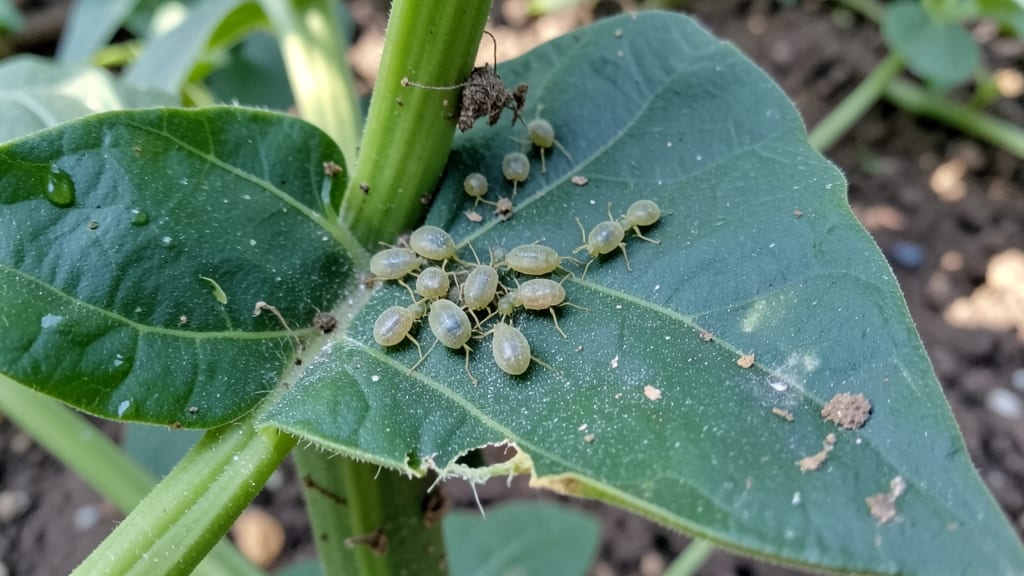
Aphids on okra plants turn those glossy leaves into sticky, curled messes faster than you can say "harvest season." 🌱 I’ve watched these tiny green invaders drain my plants’ energy—until I learned the right way to kick them out without killing the okra itself.
The key isn’t brute force; it’s outsmarting them with targeted, plant-friendly tactics that work in hours, not days.
Most gardeners grab the hose or reach for harsh sprays, but that’s like calling in artillery for a mosquito problem.
Instead, I’ve perfected a three-step humane approach: blast them off with water first, then hit them with a soapy water spray (no harsh chemicals), and finish with neem oil to break their life cycle.
My okra plants bounce back within 48 hours, and the aphids don’t stand a chance—without harming the plant’s ability to grow and produce.
You’ll end up with vibrant green leaves, no sticky residue, and pods that keep forming like nothing happened. The best part? This method works whether you’re dealing with a handful of stragglers or a full-blown colony.
No more sacrificing your harvest to chemical warfare—just healthy okra and a garden that actually thrives.
Works for all okra varieties, from dwarf to mammoth, and fits into any pest-control routine. Here’s exactly how to do it without losing a single pod to those pesky pests.
The Hidden Triggers Behind Okra’s Tiny Invaders
Aphids may seem like harmless nuisances, but they’re actually drawn to okra plants by a mix of environmental, biological, and even agricultural factors. Understanding these triggers helps you prevent outbreaks before they spiral out of control.
Let’s break down the science behind why these sap-sucking pests target your okra—and how to disrupt their plans.
Aphids are attracted to tender, fast-growing plant tissue—especially young okra leaves and new shoots. Why? Because these parts are packed with sugary sap, which is their favorite meal. Here’s the science:
- High nitrogen levels: Okra thrives in nitrogen-rich soil, but too much nitrogen (from over-fertilizing) makes leaves extra sweet and soft—like an all-you-can-eat buffet for aphids. 💡 Pro Tip: Use a balanced fertilizer (e.g., 10-10-10) instead of heavy nitrogen boosts.
- New growth: Aphids prefer young leaves because they’re less tough and easier to pierce with their mouthparts. If your okra is overpruned or stressed, it may produce more tender shoots, inviting more pests.
- Shade and humidity: Aphids thrive in protected, damp environments. If your okra is planted too closely or shaded by taller plants, the leaves stay moist longer—perfect for aphid colonies to multiply.
Actionable Fix: Space okra plants 18–24 inches apart for airflow, and avoid heavy nitrogen fertilizers after flowering. If you notice aphids clustering on new growth, prune those sections immediately and dispose of them (don’t compost them!).
Aphids don’t just randomly land on your okra—they’re active foragers with a highly efficient detection system. Here’s how they locate your plants:
- Wind and flight: Winged aphids (called alates) take flight when conditions are right—warm, sunny days with breezes. They can travel up to 10 miles to find new hosts, using chemical cues (like volatile organic compounds, or VOCs) emitted by stressed plants.
- Ant “farmer” alliances: Some aphid species have a symbiotic relationship with ants. Ants protect aphids in exchange for their honeydew secretions. If you see ants crawling on your okra, they’re likely herding aphids to your plants.
- Previous infestations nearby: Aphids remember successful feeding sites. If neighboring plants (like tomatoes, peppers, or basil) had aphids last season, your okra is at higher risk this year.
Actionable Fix:
- 🔍 Inspect neighboring plants regularly—remove aphids from them first to break the chain.
- 🐜 Disrupt ant trails with barriers like diatomaceous earth or sticky traps around your okra.
- 🌬️ Encourage airflow—aphids avoid windy areas, so prune dense foliage and space plants properly.
Aphids are highly sensitive to weather, and certain conditions create the perfect storm (literally) for infestations. Here’s what triggers their attacks:
| Weather Factor | Why Aphids Love It | Okra’s Vulnerability |
|---|---|---|
| Warm springs (60–80°F) | Encourages rapid aphid reproduction—they can multiply 20-fold in a week. | Okra germinates fast in warmth, producing tender new growth aphids adore. |
| Dry, sunny days | Aphids desiccate easily in dry air, so they cluster on moist leaves. | Okra leaves curl inward in heat, trapping humidity and aphids. |
| Sudden rain followed by sun | Rain washes away natural predators (like ladybugs), leaving aphids unchecked. | Wet leaves stick together, making it easier for aphids to spread. |
| Cool nights + warm days | Ideal for winged aphids to develop, increasing migration. | Okra stresses slightly, emitting more aphid-attracting chemicals. |
Actionable Fix:
- 🌧️ Water deeply at the base (not overhead) to avoid leaf moisture that aphids crave.
- ☀️ Use shade cloth in extreme heat to reduce stress signals to pests.
- 🐞 Introduce beneficial insects (like lacewings or hoverflies) before aphids arrive—they thrive in warm, sunny conditions too!
When okra plants are stressed, they release chemical distress signals that aphids can smell from yards away. Common stressors include:
- Drought or overwatering: Both extremes disrupt nutrient uptake, making leaves less resilient and more appealing to aphids.
- Poor soil drainage: Root stress from waterlogged soil weakens the plant, making it easier for aphids to pierce and feed.
- Pesticide damage: Even organic sprays can harm beneficial microbes in the soil, indirectly stressing the okra and making it more vulnerable.
- Competition for nutrients: Weeds or overcrowded okra plants compete for resources, leading to stunted growth and aphid-friendly conditions.
Actionable Fix:
- 💧 Mulch around okra to retain moisture and regulate soil temperature.
- 🌱 Remove weeds within a 2-foot radius to reduce competition.
- 🔄 Avoid synthetic pesticides—opt for neem oil or insecticidal soap only if necessary, and targeted (not blanket sprays).
Quick Fixes for Aphid-Infested Okra
Aphids may be tiny, but their impact on your okra plants can feel huge—sticky leaves, curled foliage, and weakened growth are all signs they’ve moved in. The good news? You don’t need harsh chemicals to evict them.
Below, we break down practical, humane solutions tailored to the root causes of your aphid problem, from prevention to immediate action. Let’s get your okra thriving again!
Aphids love stressed plants, so the first step is giving your okra the support it needs to bounce back.
🔥 Prune for Airflow & Light
- Why it works: Aphids thrive in shaded, humid spots where plants are weak.
Pruning improves circulation and sunlight exposure. - How to do it: - Trim yellowing or heavily infested leaves (but not more than 25% of the plant at once). - Focus on inner leaves where aphids hide. - Dispose of clippings in a sealed bag or compost bin far from your garden (aphids can hitchhike!). - Pro tip: 💡 Use sterilized pruners to avoid spreading disease.
👨🍳 Boost Plant Health with Fertilizer
- Why it works: Healthy plants repel pests naturally.
Aphids target nutrient-deficient okra. - How to do it: - Balanced fertilizer: Use a 10-10-10 or 5-5-5 formula (nitrogen, phosphorus, potassium) to strengthen roots and leaves. - Organic options: Compost tea, fish emulsion, or banana peel water (rich in potassium) work wonders. - Avoid over-fertilizing—stick to half-strength applications every 2–3 weeks.
🌡️ Water Wisely to Discourage Aphids - Why it works: Aphids adore damp foliage.
Overhead watering creates the perfect aphid buffet. - How to do it: - Water at the base of the plant in the early morning (avoid evenings to prevent fungal issues). - Keep soil moist but not soggy—aphids love humidity! - Mulch around the base with straw or grass clippings to retain moisture without wetting leaves.
If your okra is already under siege, act fast with these humane, chemical-free methods.
🍳 Blast Them Away with Water
- Why it works: A strong stream of water dislodges aphids without harming the plant.
- How to do it:
- Use a hose with a gentle spray nozzle or a paintbrush to knock them off.
- Focus on undersides of leaves (aphid hotspots!).
- Repeat every 2–3 days until the infestation clears.
- Pro tip: 🎯 Do this early in the morning so leaves dry quickly, reducing fungal risk.
🔪 Introduce Beneficial Insects (Nature’s Pest Control)
- Why it works: Ladybugs, lacewings, and parasitic wasps eat aphids—no chemicals needed!
- How to do it:
- Buy beneficial insects from garden centers (look for Aphidius colemani wasps or ladybug larvae).
- Release them at dusk when aphids are less active.
- Plant companion flowers like dill, fennel, or marigolds to attract them naturally.
- Pro tip: ✨ Avoid pesticides—even "organic" ones can kill these helpful allies!
🥘 Homemade Sprays for Immediate Relief
- Why it works: These sprays smother and repel aphids without toxicity.
- Recipes to try:
Spray Ingredients How to Use Soapy Water 1 tsp mild soap + 1 quart water Spray directly on aphids (test on a small leaf first). Neem Oil 1 tbsp neem oil + 1 tsp soap + 1 quart water Spray every 5–7 days (aphids can’t build resistance). Garlic Pepper Spray 2 crushed garlic cloves + 1 tsp cayenne + 1 quart water Steep 24 hours, strain, and spray (aphids hate the smell!). - Pro tip: 🌡️ Apply sprays when temps are below 85°F—neem oil can burn leaves in extreme heat.
Once you’ve kicked aphids off your okra, prevent reinfestation with these smart habits.
🌿 Choose Resistant Okra Varieties
- Some okra types are less appealing to aphids. Try:
- Clemson Spineless
- Emerald Green Bush
- Red Burgundy (its color may deter pests naturally).
🔍 Monitor & Act Early
- Inspect plants weekly, especially new growth and leaf undersides.
- Isolate new plants for 2 weeks to spot hitchhiking pests before they spread.
🌍 Encourage a Balanced Ecosystem
- Diverse garden: Plant herbs (basil, mint), flowers (nasturtiums), and veggies to confuse aphids.
- Remove weed hosts: Aphids love dandelions and clover—pull them near your okra patch.
- Rotate crops: If you grow okra yearly in the same spot, rotate with beans or peppers to disrupt aphid life cycles.
Remember: Patience and consistency are key! Aphids may return, but with these methods, your okra will outgrow the problem—naturally. 🚀
Frequently asked questions
1How do I know if aphids are seriously damaging my okra?
Check for yellowing leaves, curled or sticky foliage (aphid honeydew), and stunted growth. While small infestations are manageable, heavy aphid populations can reduce okra yield by 20-30% if left unchecked. If you see ants "herding" aphids or black sooty mold on leaves, act immediately.
2Will neem oil harm my okra plants?
Neem oil is safe when used correctly! Dilute 1 tablespoon in 1 quart of water with 1 teaspoon of mild soap as an emulsifier. Apply in early morning when temps are below 85°F to avoid leaf burn. Always test on a small leaf first.
3How long does it take to eliminate aphids from okra?
With consistent treatment (water blasts + neem oil), you'll see noticeable improvement in 3-5 days. Complete elimination typically takes 1-2 weeks, depending on infestation size. Monitor weekly and reapply sprays if new aphids appear. For severe cases, combine methods for faster results.
4Can I still eat okra with aphids?
Yes, but wash thoroughly! Aphids don't make okra toxic, but their honeydew can attract mold. Rinse pods under cold running water for 30 seconds, then soak in 1 cup vinegar + 1 gallon water for 5 minutes to remove residue. Always harvest from healthy-looking plants first.