
Pests
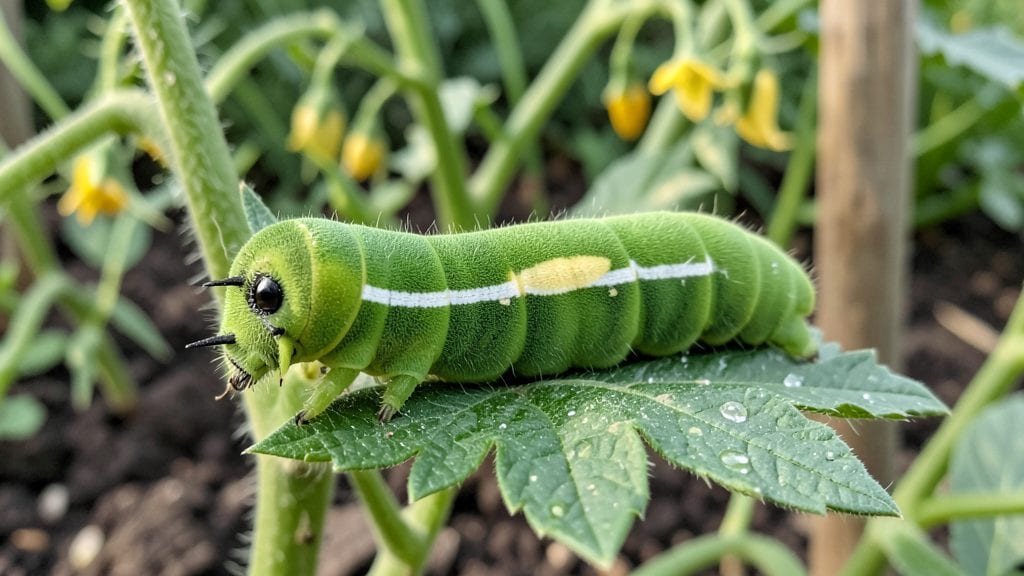
Tomato plant caterpillars can turn your lush vines into a skeleton show in days. ✨ I’ve watched my prized heirlooms defoliated overnight by these hungry striped invaders, and I learned the hard way that ignoring them means losing your harvest.
The good news? You can stop them without harsh chemicals or killing the caterpillars outright—just the right techniques at the right time.
Most of these pests are hornworms or tomato fruitworms, and they’re sneaky. You’ll spot chewed leaves first, then the caterpillars themselves hiding along stems or burrowing into fruit.
The key is acting fast: handpicking works for small gardens, but larger plots need row covers or organic sprays like Bt (Bacillus thuringiensis)—a bacteria that targets caterpillars without harming bees or butterflies.
Prevention starts before planting: interplant tomatoes with basil or marigolds, which deter egg-laying moths. For existing plants, yellow sticky traps catch adult moths before they reproduce. Even if you find caterpillars, don’t panic—these methods protect your tomatoes while keeping the garden ecosystem balanced.
This approach works for backyard gardens, containers, or raised beds. The goal isn’t to eradicate every caterpillar (some become beneficial predators) but to keep the damage minimal. Let’s get your tomatoes back to thriving in no time.
The Hidden Lures Behind Leaf Munchers
If your tomato plants are being stripped bare by tiny, voracious caterpillars, you’re not alone. These pests don’t just appear out of nowhere—they’re drawn to your garden by a mix of environmental cues, plant chemistry, and even your own gardening habits.
Understanding why they target your tomatoes is the first step to outsmarting them without resorting to harsh chemicals. Let’s break down the science behind their appetite for your harvest.
Tomato plants are a caterpillar’s all-you-can-eat buffet because they’re packed with nutrients and soft, tender leaves. But it’s not just about taste—it’s about chemistry. Many tomato varieties produce compounds like solanine and tomatine, which deter some pests.
However, young or stressed plants (due to drought, poor soil, or over-fertilization) produce fewer defensive chemicals, making them easier targets.
Additionally, caterpillars like the hornworm and tomato fruitworm have evolved to recognize tomato plants by their scent.
Healthy, thriving tomatoes emit volatile organic compounds (VOCs) that signal “I’m a good meal!” to moths, which then lay eggs on your leaves. Actionable fix: Rotate crops yearly, choose resistant varieties (like ‘Mountain Merit’ or ‘Defiant PhR’), and ensure your plants are well-watered and fed to boost their natural defenses.
Caterpillars don’t just wander onto your plants—they’re the offspring of moths that actively seek out the best spots to deposit their eggs. Female moths (like the manduca sexta, or tobacco hornworm) use their antennae to detect tomato plants from up to 2 miles away.
Once they land, they prefer to lay eggs on the undersides of leaves, where humidity and shade protect the eggs from drying out.
Timing is everything: Moths are most active at dusk and dawn, when temperatures are cooler and predators like birds are less active.
If your garden is near wild plants (like nightshades or other solanaceae), moths may mistake your tomatoes for a wild feast rather than a cultivated crop. Actionable fix: Install yellow sticky traps to catch adult moths, prune lower leaves to reduce egg-laying sites, and avoid planting tomatoes near their wild relatives.
Caterpillars thrive in warm, humid conditions, which is why they’re often a summer garden nightmare. Tomatoes need warmth to grow, but so do their pests.
When daytime temperatures hover around 75–85°F (24–29°C) and nights stay mild, caterpillars develop faster, hatch in larger numbers, and go through multiple generations per season.
Rainfall also plays a role: While drought-stressed plants attract some pests, excess moisture can wash away natural predators (like parasitic wasps) and create the perfect microclimate for egg survival.
Even frost-free zones with long growing seasons give caterpillars more time to feast. Actionable fix: Use row covers early in the season to block moths, mulch to regulate soil moisture, and plant traps crops (like basil or marigolds) to divert pests away from your tomatoes.
Sometimes, the problem isn’t nature—it’s us. Over-fertilizing with nitrogen-rich feeds (like fresh manure) makes tomato leaves softer and more palatable, signaling caterpillars that your plants are easy prey. Similarly, monocropping (planting only tomatoes year after year) depletes soil diversity and attracts pests that specialize in solanaceae.
Even how you water can be a factor: Splashing water onto leaves at night can drown beneficial insects while creating damp conditions that caterpillars love. Actionable fix: Use a balanced fertilizer (like 10-10-10), practice crop rotation, and water at the base of plants in the morning to keep foliage dry.
Now that you know why these leaf-munching bandits show up, the next step is humane removal tactics—without sacrificing your harvest. Stay tuned for science-backed solutions that keep your tomatoes (and your conscience) intact!
Quick Fixes for Caterpillar Chewers
Caterpillars munching on your tomato plants can feel like a nightmare, but don’t worry—there are humane, effective ways to protect your harvest without resorting to harsh chemicals. Below, we’ve matched the most common causes of caterpillar infestations with practical, step-by-step solutions to keep your plants safe and thriving.
(The classic "tomato bandits" that strip leaves overnight!)
🔥 Handpick Them (Best for Small Infestations)
- 👨🍳 Scout at dawn or dusk – Caterpillars are sluggish in cooler temps, making them easier to spot.
- 🥘 Drop them in soapy water – Fill a bucket with water + a few drops of dish soap (kills instantly).
- 🔪 Use tongs or gloves – Avoid squishing them (their droppings can spread bacteria).
✨ Pro Tip: Check the undersides of leaves—hornworms love to hide there!
🌿 Encourage Natural Predators
- 🐞 Ladybugs & lacewings eat caterpillar eggs. Buy them online or attract them with dill or fennel plants.
- 🦎 Parasitic wasps (like Cotesia glomeratus) lay eggs inside caterpillars—let them do their job! (Yes, it’s gross but effective.)
🧴 Organic Sprays (Last Resort)
- 💡 Bacillus thuringiensis (Bt) – A natural bacteria that targets caterpillars’ digestive systems. Spray at dusk (avoids harming bees).
- 🌡️ Spicy pepper spray – Mix 1 tbsp cayenne + 1 tsp dish soap + 1 quart water. Reapply after rain.
(They tie leaves together and skeletonize foliage!)
🧹 Remove Egg Masses Early
- 🔍 Inspect new growth – Sawfly eggs look like tiny yellow dots on stems.
- 🧴 Scrape off with a fingernail – Drop them into soapy water before they hatch.
🕷️ Use Sticky Traps or Row Covers
- 🕸️ Yellow sticky traps – Attract and trap adult sawflies before they lay eggs.
- 🌿 Lightweight row covers – Cover young plants to block egg-laying moths.
🌿 Beneficial Nematodes (For Soil-Bound Larvae)
- **💡 Apply Heterorhabditis bacteriophora – Microscopic worms that infect and kill underground caterpillar larvae.
- 🌧️ Water deeply after application** to help them spread.
(An ounce of prevention saves a pound of frustration!)
🌱 Plant Smart
- 🍅 Interplant with basil, marigolds, or onions – These repel moths naturally.
- 🌿 Avoid monoculture – Space tomato plants 2–3 feet apart to reduce hiding spots.
🕒 Timing is Everything
- 🌅 Plant late (after the last frost) to miss early moth flights.
- 🍅 Harvest early – Pick tomatoes before they fully ripen to reduce attractants.
🧹 Sanitation Stops Reinvasion
- 🗑️ Remove fallen leaves & debris – Caterpillars pupate in soil, so clean up after harvest.
- 🌱 Rotate crops – Don’t plant tomatoes in the same spot yearly (moths remember!).
Final Thought: The key is early action—the sooner you spot caterpillars, the easier they are to control. Try one or two methods first, then adjust based on what works best for your garden. Happy (and pest-free) growing! 🌱🍅
Frequently asked questions
What are the most common tomato plant caterpillars I should watch for?
The two biggest culprits are hornworms (green with white stripes) and tomato fruitworms (small, green, and often hidden in fruit). Both can defoliate plants in days, but hornworms are especially aggressive and can grow up to 4 inches long!
How do I tell if caterpillars are damaging my tomatoes before they appear?
Look for chewed leaves with jagged edges, black droppings on foliage, or tied-together leaves (a classic hornworm tactic). Check undersides of leaves too—eggs and tiny caterpillars love hiding there before they grow visible.
Is it safe to release caterpillars into the wild after removing them?
No—many tomato caterpillars (like hornworms) become beneficial predators when they mature into moths. Instead, drop them in soapy water or relocate them to a wildflower area far from your garden to give them a chance to complete their life cycle naturally.
Will neem oil or garlic spray work against tomato caterpillars?
Neem oil can help deter egg-laying moths but won’t kill existing caterpillars. Garlic spray is ineffective against them. For best results, use Bacillus thuringiensis (Bt)—a natural bacteria that targets caterpillars’ digestive systems without harming other insects.
How often should I check my tomato plants for caterpillars?
Inspect your plants every 2-3 days during peak season (late spring to early fall). Focus on new growth, undersides of leaves, and fruit clusters—these are their favorite hiding spots. Morning checks work best when caterpillars are sluggish.