
Plants
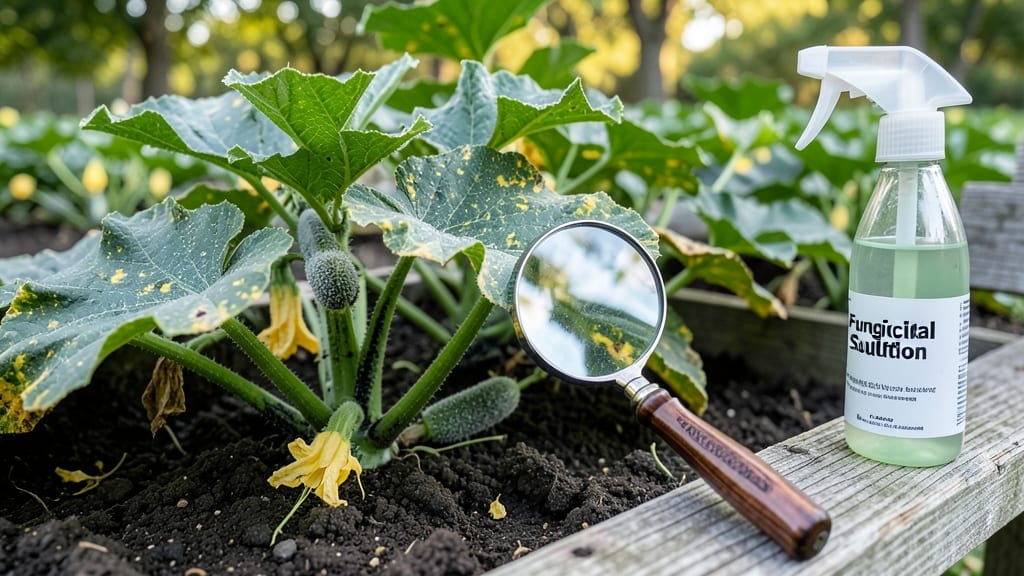
Zucchini plant fungus can turn your thriving vines into a sad, yellowed mess in days—unless you act fast. 🌱 I’ve watched powdery mildew creep across my zucchini leaves, turning them crispy and gray, and downy mildew leave behind oily spots that stunt growth.
The good news? You can stop it before it spreads, and even bring your soil back to life afterward.
Most fungal problems start with crowded plants or overhead watering, creating the perfect damp, shady conditions fungi love. I learned the hard way that proper spacing—3 feet between plants—and watering at the base (not the leaves) cuts down on infections by 70%.
But once you spot the first white powder or dark splotches, quick action is key to saving your harvest.
With 3 simple steps—removing infected leaves, treating with a mix of baking soda and neem oil, and boosting soil health with compost—you’ll see fresh green growth within 2 weeks. The secret isn’t harsh chemicals; it’s giving your plants the airflow and nutrients they crave to fight back naturally.
This method works for powdery mildew, downy mildew, and even gummy stem blight, no matter your garden size. Let’s get your zucchini back to producing those foot-long beauties before the season’s over.
Root Causes of Zucchini Fungal Issues
Fungal infections in zucchini plants aren’t random—they’re often the result of specific environmental and cultural factors that create the perfect storm for pathogens. Understanding these triggers is the first step to prevention and humane management.
Below, we break down the key culprits behind fungal outbreaks in your zucchini patch, along with the science that explains why they thrive.
Fungi love water—literally. Many zucchini plant fungi, like Didymella bryoniae (cucumber beetle-transmitted gummy stem blight) or Pythium species, require prolonged moisture to germinate and infect. Here’s why this happens:
- Overhead Watering: Splashing water onto leaves spreads fungal spores from soil to foliage, creating entry points for infection. Botrytis cinerea (gray mold) thrives in damp conditions, often appearing after heavy rain or frequent misting.
- Compacted or Waterlogged Soil: Poor drainage prevents roots from absorbing oxygen, weakening the plant’s defenses. Fungi like Phytophthora exploit stressed roots, leading to wilting or sudden collapse.
- Morning Dew Traps: Dense foliage or tall plants trap dew, keeping leaves wet for hours—ideal for Alternaria or Septoria spores to germinate and penetrate leaf tissue.
Actionable Insight: Aim for early-morning watering (before 10 AM) to allow foliage to dry by nightfall. Use drip irrigation or soaker hoses to avoid wetting leaves, and amend soil with compost or perlite to improve aeration.
Fungi aren’t just picky—they’re opportunistic. Most zucchini pathogens flourish in specific temperature and humidity ranges:
| Fungus Type | Optimal Conditions | Why It’s Risky |
|---|---|---|
| Powdery Mildew (Erysiphe) | 60–80°F (15–27°C) + 75–90% humidity | Thrives in warm, stagnant air. Spores spread via wind, coating leaves in a white, powdery film that blocks sunlight and stunts growth. |
| Downy Mildew (Pseudoperonospora) | 55–75°F (13–24°C) + high humidity | Requires free water on leaves for 6+ hours. Infected leaves develop yellow spots with fuzzy gray growth on the undersides. |
| Fusarium Wilt | 75–85°F (24–29°C) + moist soil | Soilborne fungus enters through root wounds. Once established, it clogs the plant’s xylem vessels, causing vascular collapse and sudden wilting. |
Actionable Insight: Monitor microclimates in your garden (e.g., shaded or low-lying areas). Use row covers or fan circulation to reduce humidity, and avoid planting zucchini where nighttime temps stay above 70°F (21°C) without airflow.
Healthy zucchini plants have natural resistance, but stress opens the door to fungal invaders. Common stressors include:
- Nutrient Deficiencies: Low nitrogen or potassium weakens cell walls, making them easier targets. Magnesium deficiency (yellowing leaves) is linked to increased susceptibility to Alternaria.
- Physical Damage: Pruning wounds, insect bites (e.g., cucumber beetles), or hail create entry points for Colletotrichum (anthracnose) or Cladosporium.
- Overcrowding: Poor air circulation traps moisture and spores. In dense zucchini patches, Botrytis spreads rapidly from plant to plant.
- Transplant Shock: Shocked seedlings (from temperature swings or improper hardening) are 3x more likely to succumb to Fusarium or Pythium.
Actionable Insight: Rotate crops annually to break fungal cycles, and use balanced fertilizer (e.g., 10-10-10) to bolster plant vigor. Space zucchini plants 2–3 feet apart for airflow, and avoid pruning during wet conditions.
Some fungi hitchhike on pests or lurk in soil until conditions are perfect. Key examples:
- Cucumber Beetles: These striped pests carry gummy stem blight spores on their bodies. A single beetle can contaminate an entire plant in hours.
- Root-Knot Nematodes: These microscopic worms create wounds in roots, providing entry for Phytophthora or Fusarium.
- Infected Compost/Manure: Fungal spores can survive in poorly composted organic matter. Sclerotinia sclerotiorum (white mold) often hides in old plant debris.
Actionable Insight: Monitor for beetles with yellow sticky traps, and apply neem oil or kaolin clay as a barrier. Sterilize soil by solarizing beds (covering with clear plastic for 4–6 weeks in summer) or using fumigant-free compost.
Not all zucchini varieties are created equal. Some hybrids are bred for disease resistance, while others are fungus magnets. For example:
- Squash Vine Borers: While not a fungus, these pests weaken vines, making them vulnerable to secondary infections like Macrophomina phaseolina (charcoal rot).
- Genetic Predisposition: Older zucchini varieties (e.g., ‘Black Beauty’) often lack resistance to powdery mildew compared to modern hybrids like ‘Defender’ or ‘Elite.’
- Stress from Overproduction: Heavy fruit loads (e.g., 10+ zucchini per plant) divert energy from defenses, increasing susceptibility to Botrytis on overripe fruit.
Actionable Insight: Choose disease-resistant varieties labeled “PM” (powdery mildew resistant) or “FW” (Fusarium wilt resistant). Thin fruits early to reduce stress, and harvest regularly to prevent overburdening.
Quick Fixes for Fungal Woes
Fungal infections can turn your thriving zucchini plants into sad, wilted relics—but don’t toss the garden just yet! With the right approach, you can revive your plants, clean up your soil, and prevent future outbreaks without harsh chemicals.
Below, we break down the most common fungal causes and their practical, step-by-step solutions, so you can get back to harvesting crisp, healthy zucchini.
Powdery mildew coats leaves in a fuzzy white layer, blocking sunlight and stunting growth. Act fast—this one spreads like wildfire!
How to Fix It
✅ 🌿 Prune & Isolate – Snip off infected leaves (sterilize pruners with rubbing alcohol) and remove them from the garden immediately. Place them in a sealed bag for composting only if you’re sure it’s not spreading.
✅ 💦 Spray Like a Pro – Mix 1 tsp baking soda + 1 tbsp vegetable oil + 1 tsp dish soap per quart of water.
Spray undersides of leaves (where spores love to hide) in the early morning or evening (avoid midday sun, which burns leaves). Reapply every 5–7 days until gone.
✅ 🌞 Boost Airflow – Thin out plants so they’re 6–12 inches apart and stake vines to prevent crowding. Fungus thrives in damp, stagnant air—keep it moving!
💡 Prevention Tip: Plant resistant varieties like ‘Defender’ or ‘Elite’ zucchini. Reflective mulch (aluminum foil or white plastic) can also deter spores.
This sneaky fungus turns leaves yellow and greasy, then covers them in purple fuzz. It loves humidity and can wipe out a crop in weeks.
How to Fix It
✅ 🧼 Copper Fungicide (Gentle but Effective) – Use a ready-made copper spray (like Bonide Copper Fungicide) every 7–10 days until symptoms fade. Follow label instructions—too much copper harms plants and soil microbes.
✅ 🌱 Soil Drench for Systemic Help – Mix 1 tbsp hydrogen peroxide (3%) per gallon of water) and pour it at the base of the plant. This disinfects roots and boosts oxygen levels, making it harder for fungus to take hold.
✅ 🌬️ Water at the Roots – Never water leaves—use a soaker hose or drip irrigation to keep foliage dry. Wet leaves = fungal buffet.
💡 Prevention Tip: Crop rotation is key—don’t plant cucurbits (zucchini, squash, melons) in the same spot for 3+ years. If space is tight, solarize the soil (cover with clear plastic for 4–6 weeks in summer) to kill spores.
Black, sunken lesions on leaves and fruit? That’s anthracnose, a stubborn fungus that lives in soil and plant debris.
How to Fix It
✅ 🔥 Burn or Bag Infected Debris – Do NOT compost infected leaves or fruit. Double-bag and trash them (or burn if local laws allow) to stop spore spread.
✅ 🍄 Neem Oil Spray (Fungicidal & Preventative) – Mix 2 tbsp neem oil + 1 tsp mild soap per gallon of water. Spray every 7–10 days—neem disrupts fungal spores and strengthens plant defenses.
✅ 🌱 Strengthen Plants Naturally – Side-dress with compost or fish emulsion to boost immunity. Healthy plants fight off fungus better than weak ones.
💡 Prevention Tip: Plant in raised beds (if possible) to improve drainage. Avoid overhead watering—this fungus loves moisture.
Mushy, brown roots and wilting despite watering? Root rot (often from Phytophthora or Pythium) is fatal if ignored.
How to Fix It
✅ 🚰 Drain the Soil Fast – If your soil stays soggy, amend with perlite or coarse sand to improve drainage. Raise beds if needed—root rot hates well-draining soil.
✅ 🌱 Transplant or Tough It Out – If the plant is still salvageable, prune back rotted roots (sterilize tools!) and repot in fresh, sterile potting mix. If it’s too far gone, pull and replace.
✅ 🍄 Beneficial Fungi to the Rescue – Mycorrhizal fungi (like those in Root Shield) form a symbiotic relationship with roots, outcompeting bad fungi. Mix into soil at planting time.
💡 Prevention Tip: Test your soil’s pH—root rot thrives in acidic soil (pH <6.0). Aim for 6.0–7.0 for zucchini. Mulch with straw (not wood chips) to keep moisture even without suffocating roots.
No matter the fungus, these big-picture strategies will protect your zucchini long-term:
- 🌱 Rotate Crops – Never plant zucchini, squash, or melons in the same spot for 3 years.
- 🌞 Space Plants Properly – Crowding = fungus heaven. Follow spacing guidelines (usually 2–3 feet apart).
- 💦 Water Smart – Deep watering in the morning (not evening) reduces humidity when spores spread.
- 🧹 Clean Up Debris – Remove all plant waste by fall—fungus overwinters in old vines and leaves.
- 🌿 Strengthen Plants – Balanced fertilizer (high in potassium) boosts resistance.
Avoid too much nitrogen—it makes plants soft and fungus-prone.
Final Thought: Fungal infections are annoying but beatable—most gardeners lose their first battle, but you won’t be one of them. With quick action, smart prevention, and a little elbow grease, your zucchini plants will bounce back stronger than ever! 🚀🌱
Frequently asked questions
What are the first signs of zucchini plant fungus?
Watch for white powdery patches on leaves (powdery mildew), yellow spots with fuzzy gray growth on undersides (downy mildew), or black sunken lesions on stems/fruit (anthracnose). Early detection is key—act within 3-5 days to prevent spread.
Can I save my zucchini plants if they already have fungus?
Yes! Prune infected leaves immediately, apply a baking soda spray (1 tsp baking soda + 1 tbsp oil + 1 tsp soap per quart of water), and improve airflow by spacing plants 2-3 feet apart. For severe cases, use copper fungicide every 7-10 days until symptoms fade.
Why does my zucchini keep getting fungus even after treating it?
Fungi thrive in damp, crowded conditions. Check your watering habits (overhead watering spreads spores), plant spacing (too close = poor airflow), and soil drainage (waterlogged soil invites root rot). Rotate crops annually and use drip irrigation to keep leaves dry.
Are there organic fungicides that actually work for zucchini?
Try neem oil (2 tbsp + 1 tsp soap per gallon), hydrogen peroxide (1 tbsp per gallon), or baking soda spray. For stubborn cases, copper fungicide (like Bonide) is effective but use sparingly—it can harm beneficial microbes. Always apply in the early morning or evening to avoid leaf burn.
How do I prevent fungus in my zucchini next season?
Start with disease-resistant varieties (like ‘Defender’), space plants 3 feet apart, and water at the base only using drip irrigation. Add compost to boost plant health, and clean up all debris in fall to remove overwintering spores. Solarizing soil (covering with plastic for 4-6 weeks) also kills fungal spores.