
Diseases
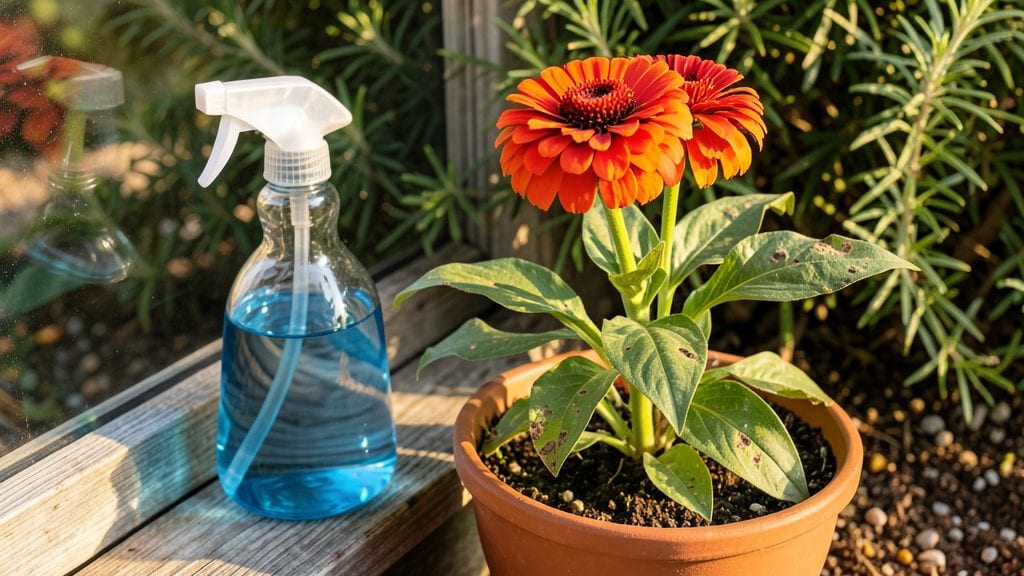
Zinnia plant diseases can turn vibrant blooms into sad, spotted messes if you don’t catch them early. 🌻 I’ve seen powdery mildew turn my zinnias into ghostly white skeletons and bacterial leaf spot turn leaves into Swiss cheese—both fixable, but only if you act fast.
Most zinnia diseases start with poor airflow or wet foliage. Powdery mildew thrives in humid conditions, while bacterial spots spread when water splashes leaves. Rust appears as orange pustules, usually after rainy spells. The good news? All three respond to organic fixes like neem oil, copper sprays, and proper spacing.
You’ll spot early signs in just a few days—white dust, brown spots, or yellowing leaves—and with quick action, your zinnias can bounce back. Prune affected areas immediately, improve airflow, and water at the base to keep foliage dry.
Prevention is easier than cleanup: plant zinnias where they get morning sun and afternoon shade, space them 6–12 inches apart, and avoid overhead watering. If a plant is too far gone, pull it to stop the spread—better to lose one than watch the whole patch fail.
Root Causes of Zinnia Struggles
Zinnias are hardy, cheerful flowers that brighten up gardens—but they’re not immune to trouble. Understanding why these diseases strike is the first step to protecting your plants. Below, we break down the key culprits behind zinnia ailments, from sneaky pathogens to environmental missteps.
Zinnias thrive on space and circulation. When plants grow too close together, humidity lingers, creating the perfect breeding ground for fungal diseases like powdery mildew and gray mold (Botrytis). Poor airflow also slows drying time after watering, trapping moisture on leaves—ideal for pathogens to latch on.
Why it matters: Fungal spores thrive in still, damp air. Without airflow, spores spread faster, turning mild cases into full-blown infections.
Zinnias hate soggy roots. Overwatering or soil that doesn’t drain well leads to root rot (often caused by Phytophthora or Pythium fungi) and weakens the plant’s defenses. Waterlogged roots can’t absorb nutrients, making zinnias more susceptible to other diseases.
Key triggers:
- 🔥 Compacted soil (clay-heavy or poorly amended)
- 🍳 Frequent shallow watering (keeps topsoil damp)
- 👨🍳 No mulch or raised beds (traps moisture at the base)
Stressed zinnias are like open doors for diseases. Nutrient deficiencies, pests (like aphids or spider mites), or sudden temperature swings weaken their immune response. For example, Alternaria leaf spot (a common zinnia foe) exploits plants already struggling from drought or poor soil.
Common stress signals:
- 🌡️ Yellowing leaves (nitrogen deficiency)
- 🎯 Stunted growth (phosphorus or potassium lack)
- ✨ Wilting despite moist soil (root damage from pests or disease)
Most zinnia diseases are caused by opportunistic pathogens—microbes waiting for the right conditions to strike. Here’s how they sneak in:
| Disease | How It Spreads | Trigger Factors |
|---|---|---|
| Powdery Mildew (Erysiphe spp.) | Spores float on wind or touch; thrive on leaf surfaces | High humidity, low light, crowded plants |
| Gray Mold (Botrytis cinerea) | Infects through wounds (e.g., damaged petals) or decaying tissue | Wet foliage, poor airflow, old flower heads left on stems |
| Bacterial Leaf Spot (Xanthomonas) | Water splashes bacteria from soil to leaves | Overhead watering, rainy seasons, contaminated tools |
Pro tip: 💡 Many pathogens overwinter in garden debris or soil. Rotate planting areas and clean up fallen leaves to starve them out!
Zinnias love warmth, but extreme heat (above 90°F) + high humidity create a disease cocktail. For instance:
- 🔥 Heat stress opens leaf stomata, letting fungi like Alternaria slip inside.
- 🥘 Heavy rain washes spores onto plants and erodes protective wax layers on leaves.
- ⏰ Sudden storms after dry spells shock plants, making them vulnerable.
Actionable fix: Choose disease-resistant zinnia varieties (like ‘Benary’s Giant’ or ‘Crystal’) if your climate is prone to these extremes.
Quick Fixes for Zinnia Troubles
When your zinnias show signs of distress, acting fast is key to saving your blooms. Below are practical, organic solutions tailored to the most common zinnia diseases—plus prevention tips to keep your garden thriving. 🌱💦
Cause: Fungal spores thrive in humid, shaded conditions, leaving white powdery patches on leaves.
How to Fix It: 🔥 Remove Infected Foliage Cut off heavily infected leaves with sterilized scissors (wipe with rubbing alcohol between cuts). Dispose of them in the trash—not the compost—to prevent spreading spores.
🍳 DIY Fungicide Spray Mix 1 tsp baking soda + 1 quart water + 1 tsp horticultural oil or dish soap. Spray both sides of leaves in the early morning or evening (avoid direct sunlight to prevent leaf burn). Reapply every 7–10 days until symptoms fade.
👨🍳 Boost Airflow
- Space plants 12–18 inches apart to improve air circulation.
- Prune nearby foliage that blocks sunlight or airflow.
- Consider a fan on low speed (if indoors) to keep humidity in check.
🌡️ Prevention Pro Tips ✨ Water at the base (never overhead) to keep leaves dry. 🎯 Choose resistant varieties like ‘Benary’s Giant’ or ‘Crystal Palace’—they tolerate humidity better. 💡 Mulch with straw to reduce soil splashes onto leaves.
Cause: Fungal or bacterial leaf spots (brown/black spots with yellow halos) spread via water, tools, or wind.
How to Fix It: 🔪 Prune Aggressively Snip off spotted leaves and destroy them immediately. For bacterial leaf spot, sterilize pruners with a 10% bleach solution (1 part bleach to 9 parts water) between cuts.
🥘 Copper Fungicide Remedy Use an organic copper fungicide (like Bonide Copper Fungicide) following label instructions. For a homemade version, mix 1 tbsp copper sulfate + 1 gallon water (wear gloves—copper can irritate skin).
⏰ Rotate Your Routine
- Water in the morning so leaves dry quickly.
- Avoid overhead irrigation—use drip lines or soaker hoses.
- Disinfect tools after each use (even if just touching healthy plants).
💡 Prevention Tip: 🌱 Crop rotation—don’t plant zinnias in the same spot year after year (fungi linger in soil).
Cause: Tiny pests suck sap, causing yellowing, curled leaves, and sticky residue (honeydew).
How to Fix It: 💦 Blast Them Off
- Spray with water (a strong stream from the hose dislodges aphids).
- Neem oil spray: Mix 1 tbsp neem oil + 1 tsp mild soap + 1 quart water. Spray every 5–7 days until pests vanish.
🕷️ Introduce Predators
- Ladybugs and lacewings eat aphids naturally. Buy them online or attract them with dill or fennel plants nearby.
- Release predatory mites (like Phytoseiulus persimilis) for spider mite control.
🌿 Homemade Traps
- Sticky traps (yellow cards coated with petroleum jelly) catch flying pests.
- Soap spray: Mix 1 tsp castile soap + 1 quart water—spray directly on pests (avoid beneficial insects).
💡 Prevention Tip: 🎯 Inspect new plants before bringing them home—quarantine for 2 weeks to spot hitchhiking pests.
Cause: Overwatering or poor drainage leads to soft, black roots and wilting stems.
How to Fix It: 🔄 Repot Immediately
- Gently remove the plant and trim mushy roots with sterilized scissors.
- Repot in fresh, well-draining soil (mix potting soil + perlite or sand in a 2:1 ratio).
- Use a pot with drainage holes—zinnias hate soggy feet.
💧 Adjust Watering
- Water only when the top 1–2 inches of soil are dry.
- Avoid saucers under pots—empty excess water after 10 minutes.
🌡️ Fungal Treatment
- Hydrogen peroxide spray: Mix 1 tbsp 3% H₂O₂ + 1 quart water. Spray roots lightly before repotting to kill fungus.
- Mycorrhizal fungi (available at garden centers) can help roots recover.
💡 Prevention Tip: ✨ Raise pots on feet or use gravel in the bottom of containers to prevent waterlogging.
Even after treating diseases, strengthen your zinnias with these year-round habits:
- Fertilize lightly with fish emulsion or compost tea every 4–6 weeks (over-fertilizing weakens plants).
- Deadhead regularly to encourage new blooms and reduce stress.
- Rotate crops—don’t plant zinnias in the same spot annually.
By tackling issues early and organically, your zinnias will bounce back with vibrant blooms all season long! 🌸💪
Frequently asked questions about zinnia plant health
What are the first signs of powdery mildew on zinnias?
Look for white, powdery patches on leaf surfaces, especially on the undersides. These spots start small but spread quickly in humid conditions, eventually covering entire leaves and stems. If you see this, act fast—prune affected areas immediately and boost airflow around your plants.
Can I still use zinnias with leaf spots in my bouquets?
Only if the spots are small and superficial. Dark brown/black spots with yellow halos (like bacterial leaf spot) can spread to cut flowers. For bouquets, use only healthy zinnias and trim leaves before arranging. If spots are severe, discard the plant to prevent cross-contamination.
How often should I spray neem oil to prevent pests?
Apply neem oil every 5–7 days during pest season (spring to fall). Mix 1 tbsp neem oil + 1 tsp mild soap + 1 quart water and spray in the early morning or evening. Stop spraying 2 weeks before harvest to avoid bitter flavors in edible flowers.
Why do my zinnias keep getting root rot even with good drainage?
Check for hidden issues: Overwatering, compacted soil, or blocked drainage holes can still cause problems. Test soil moisture with your finger—water only when the top 1–2 inches are dry. If repotting, use a mix of potting soil + perlite (2:1 ratio) and ensure pots have drainage holes.
Are there zinnia varieties that resist diseases better?
Yes! Varieties like 'Benary’s Giant' and 'Crystal' tolerate humidity better and resist powdery mildew. For bacterial leaf spot, choose 'Profusion Series' (bred for disease resistance). Always buy from reputable nurseries to avoid bringing in infected plants.