
Companion Plants
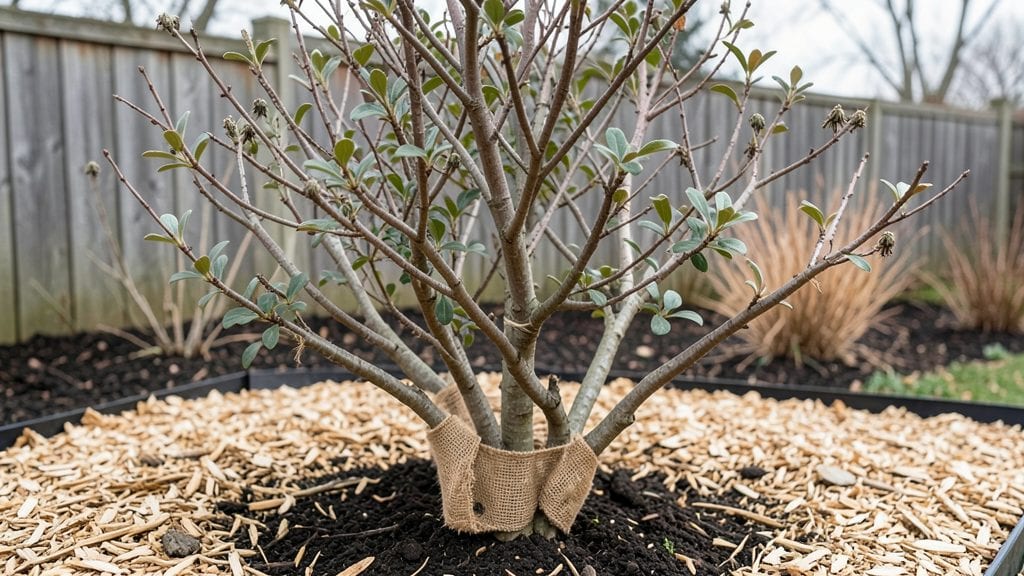
Winterizing blueberry plants isn't just about survival—it's about setting them up for a bigger harvest next spring. I’ve learned the hard way that skipping this step leaves bushes vulnerable to frost cracks, winter burn, and weak new growth, even in cold-hardy zones like mine (Zone 5).
The key is protecting roots, pruning strategically, and insulating just enough to let them breathe.
You’ll need sharp pruners, 3–4 inches of mulch (straw or pine needles work best), and a burlap wrap for young plants in harsh winters. No fancy tools—just what you’ve got in the shed.
The goal is to mimic how blueberries grow in their native acidic, well-drained soils, even when the ground freezes. Think of it as giving them a cozy blanket without smothering them.
By spring, you’ll see thicker canes, more buds, and fewer dead branches—proof the winter prep paid off. The plants wake up stronger, resistant to pests, and ready to produce those sweet, juicy berries you’ve been dreaming of.
And yes, this works for both bush and dwarf varieties, so no excuses to skip it.
Regional tweaks matter: In Zone 6+, focus on mulch depth; in Zones 3–4, add a low tunnel or row cover for extreme cold snaps. The biggest mistake? Over-pruning or using the wrong mulch (like grass clippings). Let’s get those blueberries ready for whatever winter throws at them.
📚 In This Guide
- What you need
- Instructions
- Tips and common mistakes
- Wrapping up and next steps
What you need
- ● Pruning shears or loppers – Sharp, clean tools (sterilized with rubbing alcohol) for trimming dead or weak branches.
- ● Organic mulch – 2–4 inches of pine straw, straw, or shredded leaves (avoid fresh wood chips—they can compact and suffocate roots).
- ● Burlap or frost cloth – 4–6 feet wide, enough to wrap around the plant and extend to the ground.
- ○ Stakes or wire mesh – Optional but helpful for securing frost cloth in windy areas.
- ● Garden twine – For tying up branches or securing protective coverings.
- ● Garden hose or watering can – For a final deep watering before winter.
- ● Gloves and long sleeves – Protection from thorns and cold while working.
- ● Anti-desiccant spray – A wax-based product to prevent winter drying of leaves (e.g., Wilt-Pruf).
- ● Straw or evergreen boughs – For extra insulation around the base of the plant.
- ● Soil amendment (compost or peat moss) – Mix into the soil before mulching for added nutrients.
- ● Thermometer – To monitor soil temperatures if you’re in an extremely cold climate (below 0°F).
Step-by-Step instructions for winterizing blueberry plants
Protecting blueberries from winter’s harshest elements keeps them thriving for years. Here’s how to shield your bushes without overcomplicating the process.
Prune and Clean Up Before Frost
Start by removing any dead, diseased, or weak wood with clean, sharp pruners. I focus on opening the center of the plant to improve airflow and sunlight penetration—this prevents fungal issues that winter dampness can worsen. Cut back any canes that produced berries this year; they’re done for the season and won’t regrow fruit.
Rake up fallen leaves and debris around the base of the plant. Leaving them in place traps moisture against the stems, which can lead to rot or fungal diseases like mummy berry. If you spot any signs of pests or disease on the canes, disinfect your pruners with rubbing alcohol between cuts to avoid spreading anything else.
Apply a Layer of Mulch for Insulation
Spread a 3-4 inch layer of organic mulch—like shredded bark or pine needles—around the base of the plant, keeping it 6 inches away from the trunk. This insulates the roots from freezing temperatures while allowing water to drain away. Avoid piling mulch directly against the stem, as this can cause rot.
I like to use pine straw because it’s lightweight and naturally acidic, which blueberries love. If you’re in a region with heavy snowfall, you can add an extra 2-3 inches of mulch after the first frost to provide even more protection. Just make sure the soil beneath stays dry enough to prevent waterlogging.
Protect the Canes from Freezing Winds
Bundle the canes together loosely and secure them with jute twine or soft plant ties. This helps them retain heat and prevents them from snapping under the weight of snow or ice. If your blueberries are in a windy area, consider wrapping the canes with burlap or frost cloth for extra defense against cold winds.
Leave the tops of the plants uncovered unless your region experiences extreme sub-zero temperatures (below 10°F). Blueberries are generally hardy down to -15°F, but younger plants or newly planted bushes benefit from a little extra protection. If you do cover them, prop up the material slightly to avoid trapping moisture.
Water Deeply Before the Ground Freezes
Give your blueberries a deep watering about 2 weeks before the first hard frost. This ensures the roots are hydrated and can draw moisture from the soil even when the ground is frozen. Avoid overwatering, though—soil that’s too wet can freeze solid and damage roots.
I like to water in the late afternoon so the plants have time to absorb moisture before nightfall. If your area gets heavy snow, the natural water it provides can sometimes replace the need for additional watering. Just check the soil occasionally—if it’s dry and frozen, give it a light drink to keep the roots from drying out completely.
Monitor and Adjust Throughout Winter
Keep an eye on your blueberries during winter storms. If snow accumulates heavily on the canes, gently brush it off to prevent breakage. Avoid disturbing the mulch unless it’s been pushed away by wind or animals—this can expose the roots to sudden temperature swings.
In early spring, as temperatures rise, remove any protective wraps or covers gradually. Sudden warmth can cause the plants to wake up too quickly, leading to frost damage if a late freeze hits. Once the ground thaws, check the mulch layer and replenish it if it’s broken down or washed away.
Tips & tricks for winterizing blueberry plants
Winterizing blueberries properly saves you from springtime disappointments and keeps your bushes productive for years. Here are the key strategies I’ve learned from years of trial and error.
Pruning Precision: When you’re cutting back canes in Step 1, look for the telltale signs of dead wood—it’s usually grayish-brown and doesn’t snap when bent. Live wood should bend slightly before breaking. I’ve found that cutting at a 45-degree angle just above a bud helps prevent water from pooling on the cut, which reduces disease risk. Also, don’t be afraid to be aggressive with pruning—blueberries respond well to it, especially when you’re opening up that center for better airflow.
Mulch Depth Matters: The 3-4 inch layer of mulch in Step 2 is non-negotiable for root protection, but placement is just as important. I’ve seen gardeners accidentally smother their plants by piling mulch right against the stems. Keep that 6-inch clearance from the trunk—it prevents rot while still insulating the roots. For extra protection in snowy areas, that additional 2-3 inches after the first frost can make all the difference, but only if the soil beneath stays well-drained.
Cold Weather Protection: Remember those temperature thresholds from Step 3? Blueberries can handle down to -15°F, but younger plants or newly planted bushes need extra care when temperatures drop below 10°F. I’ve learned the hard way that covering the tops with frost cloth can trap too much moisture if not properly ventilated. If you do cover, leave the edges open slightly or prop up the material to allow airflow—this prevents ice buildup that can damage the canes.
Timing Your Watering: That 2-week window before the first hard frost in Step 4 is critical. I’ve found that late afternoon watering gives the roots time to absorb moisture before nightfall, which helps prevent winter desiccation. If your soil freezes solid, you can give it a light drink in early winter, but avoid heavy watering once the ground is frozen—it can actually damage roots by creating ice lenses in the soil.
Pro Tips for Winterizing Blueberry Plants
- Winterizing blueberries properly saves you from springtime disappointments and keeps your bushes productive for years.
- Pruning Precision: When you’re cutting back canes in Step 1, look for the telltale signs of dead wood—it’s usually grayish-brown and doesn’t snap when bent.
- Mulch Depth Matters: The 3-4 inch layer of mulch in Step 2 is non-negotiable for root protection, but placement is just as important.
Frequently asked questions
Got questions about keeping your blueberries thriving through winter? You’re not alone!
Here are some of the most common concerns—and straightforward answers—to help you winterize with confidence.
When is the best time to winterize blueberry plants?
Start preparing your blueberries for winter once nighttime temperatures consistently drop below 40°F (4°C). In most regions, this happens in late fall (October–November). If you’re in a colder zone (Zone 4 or below), begin earlier—around September—to give roots and canes time to harden off. Pro tip: Wait until after the first hard frost to prune, as new growth can be vulnerable to cold damage.
Do I need to cover my blueberry bushes for winter?
It depends on your climate! In Zones 5–7, a 6–8 inch layer of mulch (straw, leaves, or pine needles) is usually enough. For Zones 3–4, add a breathable cover like burlap or frost blankets—just avoid plastic, which can trap moisture and rot canes. Pro tip: Secure covers loosely to allow airflow and prevent mold.
Can I use regular garden soil or compost as mulch?
Nope! Avoid fresh soil or compost near the base of your blueberries—it can smother roots or attract pests. Instead, opt for organic, well-draining mulch like:
- Straw or hay (avoid clumping varieties)
- Pine needles (acidic, great for blueberries!)
- Shredded leaves (lightweight and insulating)
- Wood chips (apply sparingly—too much can deplete soil nitrogen)
My blueberry leaves are still green—should I prune now?
Hold off on pruning until late winter or early spring (just before new growth starts). Pruning too early can stimulate tender new shoots that won’t survive frost. If you must prune now, focus on removing dead or diseased canes—but leave the rest for spring. Pro tip: Use sterilized shears to prevent spreading disease.
What if I missed winterizing—can I still save my plants?
Don’t panic! If you skipped winterizing, act fast:
- Apply mulch immediately to insulate roots.
- Water deeply before the first hard freeze (but avoid soggy soil).
- Wrap young plants in burlap or frost cloth if temps drop below 20°F (-7°C).
Wrapping up and next steps
Winterizing your blueberry plants is the secret sauce 🌟 for keeping them thriving year after year! By following these steps—from mulching and pruning to protecting young plants—you’ll give your bushes the best chance to bounce back strong in spring. Your effort today ensures a bountiful harvest tomorrow!
Now that you’re armed with knowledge, take action! Start with one task this weekend—whether it’s adding mulch, wrapping tender stems, or inspecting your plants for pests. Ready to dive deeper? Explore our seasonal care calendar for blueberries to stay ahead of the game all year round. 🌱✨