
Plants
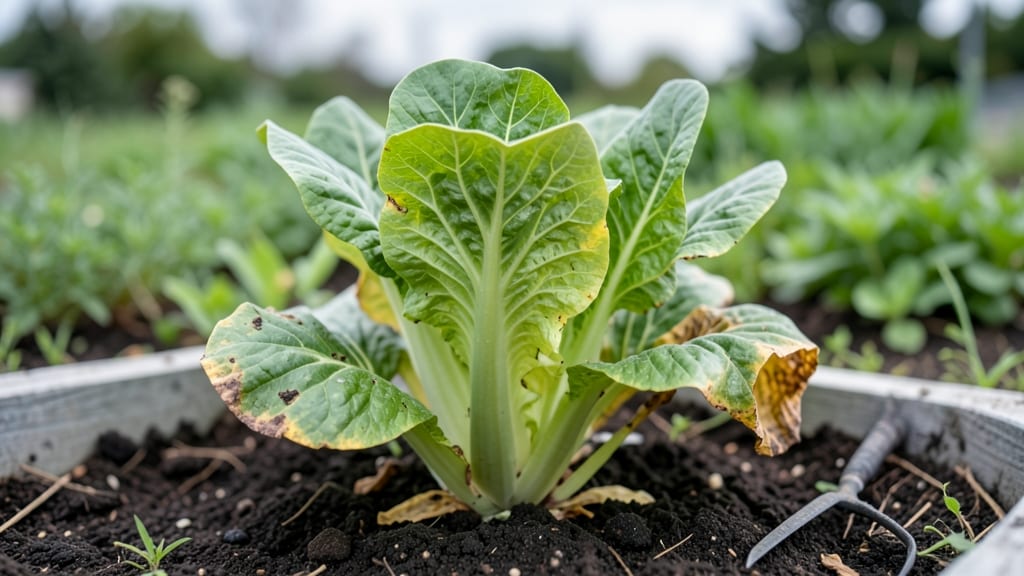
Your plant’s sudden wilt doesn’t mean it’s dead—it’s just calling for help. 🌱 I’ve nursed back drooping ferns, limp tomatoes, and even "hopeless" houseplants using these three targeted fixes that work in minutes.
The key is identifying whether it’s thirst, stress, or something more serious before the roots give up for good.
Most wilting starts with simple fixes: check the soil first—if it’s bone-dry, give it a deep drink until water runs out the bottom. If it’s soggy, let it dry out and trim any mushy roots.
Heat stress? Move it to shade immediately. The worst mistake? Ignoring it—plants can recover in hours if you catch it early, but wait too long and you’re dealing with permanent damage.
By the time you’re done, you’ll see crisp new leaves within 24 hours. The secret isn’t guesswork—it’s matching symptoms to solutions: droopy stems? Prune and prop up. Yellow leaves? Adjust watering.
Brown edges? Check for pests. This method works for everything from peace lilies to backyard tomatoes, and it’s the difference between throwing out a plant and watching it bounce back stronger.
Once you’ve revived it, keep it thriving with a quick routine: morning watering, afternoon shade in summer, and a weekly check for pests hiding in the soil.
The plants that survive wilting episodes become tougher—it’s like giving them a second chance at life. Let’s get that droop under control before it’s too late.
Root Causes Of Plant Droop
Understanding why your plant suddenly looks sad and droopy is the first step to reviving it. Wilting isn’t just a random act of plant rebellion—it’s a clear distress signal. Here’s a breakdown of the most common reasons your green friend might be wilting, along with the science behind each one.
Plants need water, but too much of a good thing can suffocate their roots. When soil stays soggy for too long, oxygen can’t reach the roots, leading to root rot—a fungal infection that cuts off the plant’s water and nutrient supply.
Without proper drainage, excess water pools around the roots, creating an anaerobic (oxygen-free) environment where harmful microbes thrive.
How to spot it:
- Yellowing leaves (especially lower ones)
- Mushy, black, or foul-smelling soil
- Roots that look slimy or mushy when inspected
Actionable fix: Let the soil dry out between waterings and ensure pots have drainage holes. If root rot has set in, trim affected roots and repot in fresh, well-draining soil.
Plants wilt when they lose more water than they can absorb. This happens when the soil dries out too quickly, often due to high temperatures, low humidity, or infrequent watering. Without enough moisture, cells in the leaves and stems lose turgor pressure—the internal "plumpness" that keeps them upright.
How to spot it:
- Dry, crispy soil
- Leaves that feel dry or papery to the touch
- Wilting that worsens in the heat of the day
Actionable fix: Water deeply when the top inch of soil feels dry. Move the plant to a cooler spot or use a humidity tray to retain moisture.
Plants are sensitive to sudden changes in temperature, whether it’s scorching heat, freezing cold, or drafty conditions. Extreme heat causes transpiration (water loss through leaves) to skyrocket, while cold can slow down metabolic processes, making it hard for the plant to absorb water efficiently.
How to spot it:
- Wilting that occurs suddenly after moving the plant
- Leaf scorch (brown, crispy edges)
- Drooping that improves at night (heat stress) or worsens in cold drafts
Actionable fix: Keep plants away from windows, vents, or doors that create drafts. Use shade cloth in summer and move them indoors before temperatures drop below 50°F (10°C).
Even if your plant has enough water, a lack of essential nutrients (like nitrogen, potassium, or magnesium) can weaken its structure, causing wilting. Transplant shock—stress from being moved or repotted—can also disrupt root function temporarily, leading to droopy leaves.
How to spot it:
- Pale or yellowing leaves (nitrogen deficiency)
- Weak stems that can’t support leaf weight
- Wilting that persists even after watering
Actionable fix: Fertilize with a balanced liquid fertilizer (like 10-10-10) every 4-6 weeks. If recently repotted, avoid fertilizing for 2-4 weeks to let roots recover.
Pests like aphids, spider mites, or fungal infections can damage a plant’s vascular system, blocking its ability to transport water and nutrients. Sawfly larvae, for example, chew on leaf tissue, while fungal pathogens like Verticillium wilt clog xylem vessels, causing sudden drooping.
How to spot it:
- Sticky residue on leaves (aphids)
- Fine webbing (spider mites)
- Dark streaks in stems (fungal wilt)
Actionable fix: Isolate the plant and treat with neem oil or insecticidal soap. For fungal issues, remove infected leaves and apply a copper-based fungicide.
When roots outgrow their pot, they become root-bound, circling the soil and competing for space. This restricts water and nutrient uptake, leading to wilting even when the plant appears well-watered.
How to spot it:
- Roots growing out of drainage holes
- Soil drying out too quickly
- Wilting that doesn’t improve with watering
Actionable fix: Repot the plant in a container 2 inches larger, using fresh potting mix. Gently tease out circling roots to encourage outward growth.
Revive Your Plant: Step-by-Step Fixes
When your plant starts to wilt, don’t panic—it’s often a sign of a fixable issue! Whether it’s thirst, stress, or disease, these practical solutions will help your green friend bounce back to health.
Below, we’ve mapped out cause-specific fixes with easy-to-follow steps and prevention tips to keep your plant thriving long-term.
Signs: Yellowing leaves, mushy stems, foul-smelling soil, or a plant that feels heavy despite wilting.
How to Fix It: 🔥 Step 1: Stop Watering Immediately
- Let the soil dry out completely before watering again. Overwatering suffocates roots and invites rot.
🍳 Step 2: Check the Roots
- Gently remove the plant from its pot and inspect the roots. Healthy roots are firm and white, while rotten roots are brown, mushy, or smell bad.
- Use a clean, sharp pair of scissors to trim away any black or squishy roots (⏰ sterilize your tools with rubbing alcohol first).
👨🍳 Step 3: Repot in Fresh Soil - If less than 30% of the roots are healthy, repot the plant in a clean pot with fresh, well-draining soil.
If most roots are healthy, you can save the plant by replanting it in the same pot with fresh soil and improving drainage.
🥘 Step 4: Adjust Your Watering Routine - Only water when the top 1–2 inches of soil are dry.
Stick your finger in the soil—if it’s damp, wait a few more days. - Pro Tip: 💡 Use a pot with drainage holes and a cache pot (tray) underneath to catch excess water.
Prevention Tips: ✅ Water less frequently—most plants prefer dry soil over soggy conditions. ✅ Use pots with drainage—terracotta or ceramic pots help wick away excess moisture. ✅ Check soil moisture before watering—don’t rely on a schedule.
Signs: Dry, crispy leaf edges, drooping stems, or soil pulling away from the pot’s sides.
How to Fix It: 🔥 Step 1: Give It a Deep Drink
- Water the plant thoroughly until water runs out of the drainage holes. This ensures the roots get the hydration they need.
🍳 Step 2: Soak the Roots (For Severe Cases)
- If the plant is extremely wilted, place the pot in a shallow tray of water for 15–30 minutes to rehydrate the roots gently.
👨🍳 Step 3: Mist the Leaves (For Humidity-Loving Plants)
- Some plants (like ferns or calatheas) need high humidity. Lightly mist the leaves with water or place a humidifier nearby.
🥘 Step 4: Adjust Your Watering Schedule
- Most plants need water every 1–2 weeks, but this depends on the plant type, pot size, and environment.
- Pro Tip: 💡 Group plants together to create a microclimate with higher humidity.
Prevention Tips: ✅ Water consistently—stick to a schedule based on your plant’s needs. ✅ Use a moisture meter—these handy tools tell you exactly when to water. ✅ Group thirsty plants together to retain moisture in the air.
Signs: Wilting despite proper watering, brown or bleached patches on leaves, or leaves curling toward the light.
How to Fix It: 🔥 Step 1: Move It to a Safe Spot
- If the plant was in direct sunlight, move it to bright, indirect light (like near a window with a sheer curtain).
- If it was in a drafty or cold area, relocate it to a stable, warm spot (ideal temps: 65–75°F for most houseplants).
🍳 Step 2: Trim Damaged Leaves
- Use clean scissors to snip off any brown, crispy, or sunburned leaves at the base. This helps the plant focus energy on recovery.
👨🍳 Step 3: Acclimate Gradually (For Sun-Loving Plants)
- If your plant needs sunlight (like succulents or cacti), slowly introduce it to brighter light over 7–10 days to avoid shock.
🥘 Step 4: Monitor for Recovery
- Keep an eye on the plant—if wilting persists, it may need more humidity (use a pebble tray) or better airflow (avoid cramped spaces).
Prevention Tips: ✅ Know your plant’s light needs—some thrive in shade, while others need full sun. ✅ Avoid cold drafts—keep plants away from windows, doors, and AC vents. ✅ Rotate the pot occasionally—this ensures even growth and prevents lopsided sun exposure.
Signs: Sticky residue (aphids), white webbing (spider mites), black spots, or moldy soil.
How to Fix It: 🔥 Step 1: Isolate the Plant
- Move the affected plant away from others to prevent spreading pests or disease.
🍳 Step 2: Inspect and Treat Pests
- For soft-bodied pests (aphids, mealybugs):
- Wipe leaves with a soapy water solution (1 tsp mild dish soap + 1 quart water).
- For spider mites or scale:
- Spray with neem oil (mix 1 tsp neem oil + 1 tsp mild soap + 1 quart water).
- For fungal issues (powdery mildew, black spot):
- Remove infected leaves and spray with a fungicide (like copper-based spray).
👨🍳 Step 3: Improve Air Circulation
- Prune crowded leaves to allow better airflow.
- Use a small fan on low setting near the plant (but not directly blowing on it).
🥘 Step 4: Repot if Necessary
- If the soil is heavily infested, repot the plant in fresh, sterile soil.
Prevention Tips: ✅ Quarantine new plants for 2–4 weeks before introducing them to your collection. ✅ Clean leaves regularly—dust buildup attracts pests. ✅ Avoid overwatering—wet soil encourages fungal growth.
Final Thought: 🎯 Most wilting is easily reversible with the right care! Start with these fixes, and your plant will likely perk up within a few days to a week.
If it doesn’t improve, it may be time to assess whether the plant is beyond saving—but don’t give up too soon! 🌱
Frequently asked questions about reviving droopy plants
Why does my plant wilt even when I water it regularly?
Overwatering is a common culprit—roots need oxygen, and soggy soil suffocates them, leading to root rot. Check if the pot has drainage holes and let the top 1-2 inches of soil dry out between waterings. If roots look mushy or smell foul, trim the damaged parts and repot in fresh, well-draining mix.
Can I save a plant that's been wilting for days?
It depends! If the stems are still slightly firm (not shriveled or brown), there’s hope. Give it a deep drink by soaking the pot in water for 15-30 minutes, then trim any damaged leaves. Move it to a cooler spot with indirect light and monitor closely. If the stems are crispy or black, the plant may be beyond recovery.
How do I tell if my plant needs water or shade?
Check the soil first—if it’s dry 1 inch down, it’s thirsty. For heat stress, look for brown leaf edges or wilting that improves at night. Move it to bright, indirect light (like an east-facing window) and avoid direct sun until it recovers. Most houseplants prefer temps between 65-75°F.
What’s the fastest way to revive a severely wilted plant?
For an emergency fix, place the pot in a shallow tray of water for 10-15 minutes to rehydrate the roots, then trim any mushy stems. Prop up drooping branches with toothpicks or chopsticks to prevent stem damage. Mist the leaves lightly if the air is dry, and keep it in stable conditions (no drafts or heat sources).
Are some plants more prone to wilting than others?
Yes! Succulents and cacti wilt quickly when thirsty, while tropical plants like ferns or peace lilies droop from low humidity. Vegetables like tomatoes or peppers wilt fast in heat but bounce back with shade and consistent watering. Always research your plant’s specific needs—some thrive on neglect, while others demand daily care.