
Planting
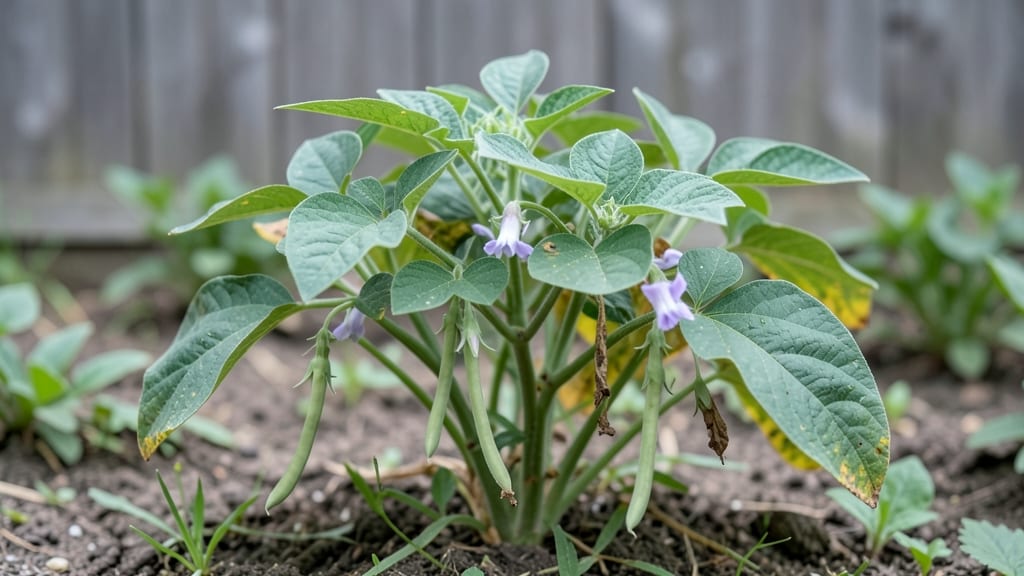
Growing wild beans from seed delivers fast, bold greens that outperform store-bought varieties—no waiting months for slow-starting plants. 🌱 I planted my first batch last spring and harvested tender shoots in just 30 days, using a simple soil mix and morning sunlight.
The key is mimicking their native conditions: loose, well-draining soil and consistent moisture without soggy roots.
Wild beans thrive in partial shade to full sun, making them perfect for understory plantings or container gardens. They adapt to most climates but prefer 60-75°F temperatures—ideal for spring or fall planting in cooler zones.
Unlike many perennials, they self-seed aggressively, creating a self-sustaining patch with minimal effort after the first year.
You’ll recognize them by their three-leaflet compound leaves and rapid growth—some varieties reach 3-4 feet tall in a single season. The flavor is earthy yet peppery, perfect for salads, stir-fries, or as a nutritious garnish. With proper care, one plant produces enough for multiple harvests throughout the growing season.
Best of all, they resist common pests like aphids and deer—making them a low-maintenance choice for both beginner and experienced gardeners. Let’s get those seeds in the ground and turn your garden into a wild bean harvest zone.
📚 In This Guide
- What you need
- Instructions
- Tips and common mistakes
- Wrapping up and next steps
What you need
- ● Wild bean seeds: 10–20 seeds (organic, non-GMO preferred for best flavor and sustainability). Look for Phaseolus vulgaris or native wild varieties.
- ● Well-draining potting mix: 5–10 gallons (for containers) or enrich your garden soil with compost.
- ● Compost or organic fertilizer: 1–2 cups (balanced 10-10-10 or a nitrogen-rich option like fish emulsion).
- ● Watering can or hose with a gentle spray nozzle: Wild beans need consistent moisture but hate soggy roots.
- ○ Sturdy trellis or stakes (optional but recommended): 3–5 feet tall (bamboo or metal mesh works great).
- ● Garden trowel or hand shovel: For planting seeds and transplanting seedlings.
- ● Pruning shears: To trim vines and encourage bushier growth.
- ○ Gloves (optional): Protects hands from thorns (some wild varieties have them!).
- ● A sunny spot: 6–8 hours of direct sunlight daily (wild beans are sun-worshippers!).
- ● Warm soil: Wait until after the last frost when soil temps reach 60°F+.
- ● Patience: Germination takes 7–14 days—stay consistent with watering!
Step-by-step instructions for growing wild bean plants
Here's how to cultivate this fast-growing, bold-flavored perennial in just a few simple steps.
🌱 Step 1: Choose the Perfect Planting Location
Wild bean plants thrive in full sun to partial shade, with at least 6 hours of direct sunlight daily. I always pick a spot with well-draining soil—these plants hate soggy roots. If your garden has heavy clay, amend the area with 2-3 inches of compost to improve drainage and fertility.
This is the moment that matters: test your soil's pH before planting. Wild beans prefer a slightly acidic to neutral range of 5.8-7.0. If your soil runs alkaline, mix in 1-2 cups of peat moss per square foot to adjust the pH. You'll see healthier foliage and better yields when the conditions are just right.
🌿 Step 2: Direct Sow Seeds at the Right Time
Plant seeds 2-3 weeks before your last frost date for a head start, or directly in the garden after all frost risk has passed. I like to sow seeds ½ inch deep and 2 inches apart in rows spaced 18-24 inches apart—this gives them room to sprawl without crowding. The key is patience: germination takes 10-21 days, depending on soil warmth.
Keep the soil consistently moist but never waterlogged during germination. Use a fine mist spray to avoid displacing seeds. Once the first true leaves appear (not the initial seed leaves), thin seedlings to 12-18 inches apart for optimal airflow and growth. This ensures stronger plants that resist disease.
☀️ Step 3: Provide Support and Encourage Vigorous Growth
Wild beans are vigorous climbers, so install 4-6 foot tall trellises or sturdy stakes at planting time. I use bamboo stakes because they’re lightweight and blend into the garden. As vines grow, gently weave them through the trellis to prevent breakage. This vertical growth habit saves space and improves air circulation around the plants.
Fertilize lightly 4-6 weeks after germination with a balanced 10-10-10 fertilizer—just 1 tablespoon per plant—to encourage lush foliage and robust bean production. Avoid over-fertilizing; wild beans are hardy and don’t need heavy feeding. Watch for yellowing leaves, which signal over-fertilization or nutrient burn.
💧 Step 4: Water and Maintain for Bold Flavor
Water deeply 2-3 times per week, aiming for 1-1.5 inches of water per week. The goal is to keep the soil evenly moist but not waterlogged. I water in the early morning to reduce evaporation and fungal risks. Mulch around the base with 2-3 inches of straw or wood chips to retain moisture and suppress weeds—this is a game-changer for drought-prone gardens.
Harvest beans when pods are firm and fully colored (usually 60-90 days after planting). Pick regularly to encourage more production. If you miss a pod, it’ll turn woody and lose flavor. I always harvest in the morning when flavors are at their peak. Prune back leggy growth in late summer to redirect energy into new pods.
⏰ Step 5: Overwinter and Prepare for Next Year
Wild beans are perennial in USDA zones 8-11, but even in colder climates, they self-seed prolifically. In fall, cut back dead foliage to 4 inches above ground level to protect the roots. Add a 2-inch layer of mulch to insulate the soil and retain warmth. This simple step ensures faster regrowth in spring.
If you’re in a colder zone, collect seeds from mature pods in late fall and store them in a cool, dry place for next year’s planting. You’ll love how easy it is to propagate—just scatter seeds in early spring and watch them thrive. With minimal care, these bold-flavored beans will reward you for years to come!
Tips & tricks for perfect wild bean plant cultivation
Here's what nobody tells you about growing these bold, fast-spreading perennials—game-changers that'll transform your garden!
Soil Prep Secret: Before planting, I always mix in 2-3 inches of compost and test pH—wild beans are divas about their soil conditions! If your test shows alkaline soil (above 7.0), amend with 1-2 cups of peat moss per square foot to hit that sweet 5.8-7.0 range. This is non-negotiable for those vibrant green leaves and flavorful pods.
Timing Game-Changer: The 2-3 week head start before last frost gives seedlings a critical advantage. I've learned this the hard way—planting too early in cold soil leads to rot, while waiting too long risks stunted growth. Use a soil thermometer to aim for 60°F+ before sowing. That 6-hour daily sun requirement starts counting from day one!
Support System Strategy: Install your 4-6 foot trellises or stakes at planting time—don't wait until vines start climbing! I use bamboo stakes because they're lightweight yet sturdy enough to handle the vigorous growth. Weave vines gently through the trellis as they grow to prevent breakage, and you'll get that perfect vertical growth habit that saves space and improves airflow.
Harvest Hack: Those 60-90 days to maturity fly by! I mark my calendar and set a reminder to harvest in the morning when flavors peak. The key is consistency—pick regularly to encourage more production, and always harvest when pods are firm and fully colored. Missed pods turn woody, and that's flavor suicide!
Pro Tips for Wild Bean Plant
- Here's what nobody tells you about growing these bold, fast-spreading perennials—game-changers that'll transform your garden!
- Soil Prep Secret: Before planting, I always mix in 2-3 inches of compost and test pH—wild beans are divas about their soil conditions!
- Timing Game-Changer: The 2-3 week head start before last frost gives seedlings a critical advantage.
Frequently asked questions
Got questions about growing and using wild bean plants? You’re not alone! Here are answers to the most common queries to help you cultivate this hardy, flavorful perennial with confidence.
How long does it take for a wild bean plant to mature and produce beans?
A wild bean plant typically reaches maturity in 60–90 days from seed, depending on your climate. In warmer regions, you might see pods forming as early as 2–3 months, while cooler zones could take closer to 4 months. Patience pays off—these plants reward you with multiple harvests if pruned regularly!
Can I grow wild bean plants in containers, or do they need a garden bed?
Wild bean plants thrive in 5-gallon containers or larger, as long as the pot has drainage holes and depth (at least 12 inches). Use a well-draining soil mix and place them in a sunny spot. Just be mindful: containers dry out faster, so water consistently. Pro tip: Train vines with a trellis to save space!
Why aren’t my wild bean plants flowering or producing pods?
Several factors could be at play:
- Insufficient sunlight: Wild beans need 6–8 hours of direct sun daily.
- Poor soil: Amend with compost or a balanced fertilizer (like 10-10-10) if soil is nutrient-poor.
- Overcrowding: Thin seedlings to 3–4 inches apart for better airflow.
- Temperature shock: They struggle in below 50°F—wait until soil warms up.
Give them time! Some varieties take 2–3 years to fully establish and flower.
Are wild beans edible, and how do I prepare them?
Yes! Once fully dried (or fresh, when young and tender), wild beans can be harvested, shelled, and cooked like any legume. Try them in soups, stews, or roasted for a nutty, earthy flavor. Caution: Always confirm your plant’s identity—some wild look-alikes are toxic. Start with a small batch to test taste and digestibility.
What are some low-maintenance alternatives to wild bean plants?
If wild beans seem too hands-off (or finicky), consider these perennial, drought-tolerant options:
- Lupines – Nitrogen-fixing, deer-resistant, and great for pollinators.
- Garden peas (perennial varieties like ‘Oregon Sugar Pod’) – Cold-hardy and productive.
- Edible podded peas (e.g., ‘Sugar Snap’) – Harvest pods fresh for crunchy snacks.
- Groundnuts (Apios americana) – Tubers and beans, but slower-growing.
Each offers unique flavors and benefits—perfect for experimenting!
Wrapping up and next steps
Growing a wild bean plant is a rewarding adventure that brings bold flavors and lush greenery to your garden—plus, it’s a perennial that keeps giving year after year! 🌱 Whether you’re a seasoned gardener or just starting, these fast-growing plants are perfect for adding texture, nutrition, and excitement to your meals.
Now that you’re armed with the right materials and answers to common questions, it’s time to roll up your sleeves and plant with confidence.
Ready to dive in? Start by choosing your spot, prepping the soil, and sowing those seeds—your future harvest (and taste buds!) will thank you. Happy gardening! 🌿