
Companion Plants
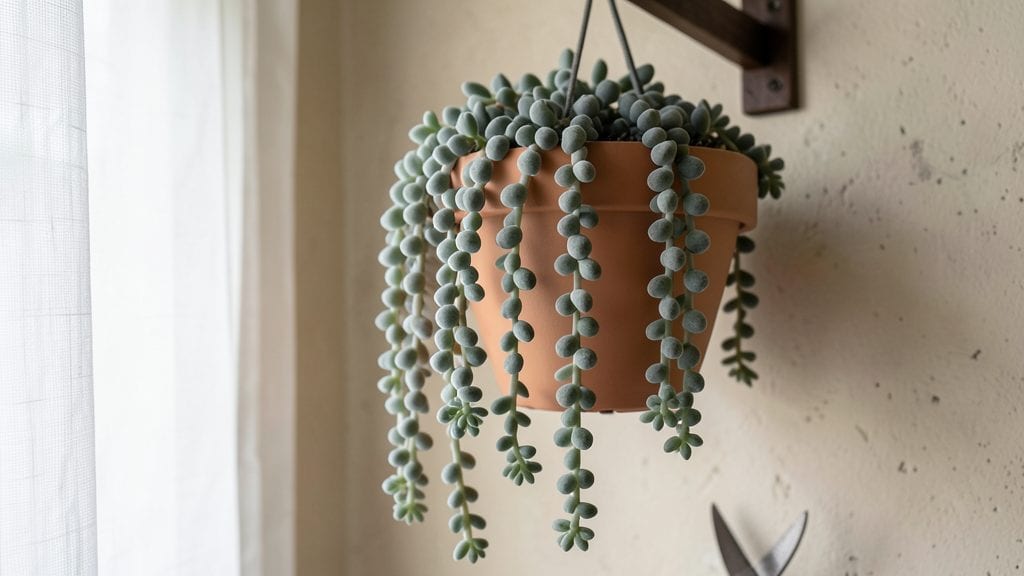
Transforming blank walls into lush green canvases with wall frame plants turned my tiny apartment into a jungle oasis. 🌿 The right plants—like ivy, jasmine, or trailing nasturtiums—create living art that thrives in vertical spaces where floor plants fail.
I started with a simple wooden frame and a few cuttings, and now my walls are covered in vibrant foliage that feels like a secret garden.
You don’t need fancy materials—just a sturdy frame, lightweight soil mix, and plants that love climbing or trailing. Herbs like thyme or oregano work perfectly, too, giving you both beauty and kitchen staples.
The key is choosing plants that match your light conditions: bright indirect light for most greenery, or partial shade for ferns and mosses.
By summer’s end, your walls will look like a curated gallery of living art, with textures ranging from glossy ivy leaves to delicate jasmine blooms. Maintenance is minimal—just occasional trimming and watering—but the payoff is a space that feels alive and intentional.
Plus, the air quality improves as plants filter indoor pollutants.
Works for any wall, from sun-drenched living rooms to cozy bedrooms with softer light. The best part? You can start small with a single frame or go big with a full wall installation. Here’s how to bring the magic to your own space!
📚 In This Guide
- What you need
- Instructions
- Tips and common mistakes
- Wrapping up and next steps
What you need
- ● Wall frame kit: 1 pre-assembled wooden or metal frame (adjustable or fixed, 24"–48" wide, 12"–24" deep)
- ○ Optional: Custom-sized frame (check local hardware stores or online retailers)
- ● Growing medium: 1–2 bags of lightweight potting mix (1–2 cubic feet, well-draining)
- ○ Optional: Coconut coir or hydroponic pellets for moisture control
- ● Plants (choose 3–5 varieties): Succulents (e.g., Sedum or Echeveria – drought-tolerant, 3–5 plants)
- ● Herbs (e.g., Thyme or Oregano – compact, 2–3 plants)
- ● Trailing plants (e.g., String of Pearls or Sweet Potato Vine – 1–2 plants)
- ○ Optional: Air plants (Tillandsia) for zero-maintenance flair
- ● Tools: 1 small trowel or spoon (for planting)
- ● 1 spray bottle (for misting)
- ● 1 level (to ensure frame is straight)
- ● 1 drill + screws (if mounting to wall)
- ○ Optional: Measuring tape, paint (for customizing frame)
- ● Prerequisites: ✅ A wall with studs (for secure mounting) or a freestanding surface
- ● ✅ Access to sunlight (6+ hours/day for most plants; adjust for shade-lovers)
- ● ✅ Basic DIY skills (or a friend to help with assembly!)
Step-by-Step instructions for creating wall frame plants
Transform any blank wall into a lush vertical garden with this simple, space-saving technique.
🪴 Step 1: Select and Prepare Your Wall Frame
Choose a lightweight wooden frame with a backing board to hold soil—standard sizes like 24x36 inches work perfectly. I like to use untreated pine for its affordability and breathability. Attach a landscape fabric to the back of the frame to prevent soil from falling through gaps, securing it with staples along the edges.
Drill ¼-inch drainage holes along the bottom edge if your frame doesn’t have them. This ensures excess water escapes, preventing root rot. Test the frame’s stability by hanging it on the wall—it should stay secure without wobbling. If needed, add L-brackets for extra support, especially for heavier setups.
🌱 Step 2: Fill the Frame with Lightweight Growing Medium
Fill the frame ¾ full with a cactus/succulent mix—it’s lightweight and drains quickly, which is crucial for wall-mounted gardens. Avoid regular potting soil; it’s too dense and will pull the frame down over time. I mix in ½ cup perlite per 1 gallon of soil to boost aeration and drainage.
Leave 2-3 inches of space at the top for plants to grow without spilling over. Tap the frame gently on the ground to settle the mix, then water it thoroughly until moisture runs out the drainage holes. This preps the medium to hold roots without becoming waterlogged later.
☀️ Step 3: Choose and Plant Shallow-Rooted Plants
Select plants with shallow root systems like sedum, ferns, or small ornamental grasses—they thrive in thin soil layers and won’t outgrow the frame quickly. Avoid heavy feeders like hostas or large succulents; they’ll drain the soil too fast and require frequent watering.
Dig small holes with your finger, just deep enough to cradle the roots without burying the crown. Space plants 4-6 inches apart to allow airflow and prevent overcrowding. Press the soil lightly around each plant to secure it, then water gently to help roots establish contact with the medium.
💧 Step 4: Mount and Maintain Your Vertical Garden
Hang the frame on the wall using sturdy brackets or a heavy-duty hook—ensure it’s level to prevent water pooling in one corner. Most frames need support every 12-18 inches for stability. Place the frame where it gets 4-6 hours of indirect light daily; direct sun can dry out the soil too quickly.
Water 2-3 times per week, checking the soil’s moisture by touching the surface. If it feels dry ½ inch down, it’s time to water. Use a spray bottle or small watering can to avoid oversaturating the frame. Fertilize lightly every 4-6 weeks with a balanced liquid fertilizer diluted to half strength—wall gardens need less food than ground-level plants.
✂️ Step 5: Prune and Refresh Seasonally
Trim leggy or overgrown plants in early spring to encourage bushier growth. Use clean, sharp scissors to snip just above a leaf node, and remove any dead or yellowing foliage immediately. This keeps the frame looking neat and prevents pests from hiding in debris.
Every 6-12 months, refresh the soil by removing the top 1-2 inches of spent mix and replacing it with fresh cactus/succulent mix. This rejuvenates nutrients without disturbing the roots. Rotate plants if they start leaning toward the light—give them a slight turn every few weeks to grow evenly.
Tips & tricks for perfect wall frame plants
Here's what I've learned after creating several vertical gardens—these tricks will help your wall frame plants thrive for months.
Frame Stability is Non-Negotiable: I can't stress this enough—test your frame's stability BEFORE hanging it! In Step 1, when you're drilling those ¼-inch drainage holes, also check the wall anchors. Use a level to ensure it's perfectly straight, and if your frame feels wobbly, add extra L-brackets every 12 inches. I've seen frames fall after just a few waterings because they weren't properly secured.
Soil Mix Matters More Than You Think: In Step 2, when mixing your cactus/succulent soil with perlite, aim for a 4:1 ratio instead of the suggested 16:1 (1 gallon soil to ½ cup perlite). This extra perlite prevents compaction over time, which is crucial since wall gardens don't get the same foot traffic as ground plants. The lighter mix also helps prevent your frame from sagging.
Plant Placement Strategy: When arranging your shallow-rooted plants in Step 3, place taller varieties toward the back and shorter ones in front. This creates that lush, layered look we all want. Also, position plants with similar water needs together—group your sedums with other drought-tolerant varieties and put your ferns near each other. This makes watering in Step 4 much more efficient.
Watering Wisdom: That ½-inch dry test in Step 4 is your best friend. I've learned the hard way that wall gardens dry out faster than ground gardens—even with the same watering schedule. Consider using a self-watering system or a small drip irrigation kit if you tend to forget. And here's a pro move: water in the morning so plants have all day to absorb moisture before evening.
Pro Tips for Wall Frame Plants
- Here's what I've learned after creating several vertical gardens—these tricks will help your wall frame plants thrive for months.
- Frame Stability is Non-Negotiable: I can't stress this enough—test your frame's stability BEFORE hanging it!
- Soil Mix Matters More Than You Think: In Step 2, when mixing your cactus/succulent soil with perlite, aim for a 4:1 ratio instead of the suggested 16:1 (1 gallon soil to ½ cup perlite).
Frequently asked questions
Got questions about wall frame plants? You’re not alone!
Here are answers to the most common concerns—from setup to upkeep—so you can dive into vertical gardening with confidence.
What’s the best way to attach wall frame plants to a wall without damaging it?
Use adhesive hooks or L-brackets for lightweight frames (under 10 lbs). For heavier setups, opt for sturdy wall anchors or floating shelves with hidden brackets. Always check for studs or use a level to avoid crooked installations. Pro tip: Test-fit brackets before drilling to mark spots!
How long does it take for wall frame plants to show noticeable growth?
Most wall frame plants (like herbs, succulents, or trailing vines) show new growth in 4–6 weeks with proper light and water. Fast growers like pothos or string of pearls may fill gaps sooner, while slower varieties (e.g., ferns) take 2–3 months. Monitor soil moisture—overwatering stunts growth!
Are wall frame plants more expensive than traditional planters?
Not necessarily! DIY frames (using wood, PVC, or metal grids) cost $20–$50, while pre-made kits range from $50–$150. Compare to hanging pots ($10–$30 each) or floor planters ($40+). Repurpose materials (e.g., crates, pallets) to slash costs!
How do I keep wall frame plants from drying out or getting moldy?
Use self-watering frames or wick systems for consistency. For mold, water early in the day and ensure frames have drainage holes. Group plants with similar needs (e.g., succulents together) and avoid overcrowding. Spray leaves with neem oil if fungus appears!
Can I use wall frame plants indoors and outdoors?
Yes! Outdoor frames need UV-resistant materials (e.g., powder-coated metal) and weatherproofing. Indoor frames thrive in bright, indirect light (e.g., near windows). For dual use, choose hardy plants like snapdragons or ornamental grasses. Move frames gradually to acclimate plants to temperature shifts.
Wrapping up and next steps
Wall frame plants are a game-changer for small spaces, blending functionality with stunning visuals—no green thumb required! 🌿 Whether you’re renting, urban-dwelling, or just love creative decor, these vertical illusions bring life to bare walls while saving precious floor space.
Start small with a single frame or go bold with a gallery wall—your style, your rules!
Ready to transform your space? Pick your favorite plants, grab a frame, and let your creativity grow! 💡 Pro tip: Share your setup online for extra inspiration—every wall frame garden is a masterpiece waiting to happen!